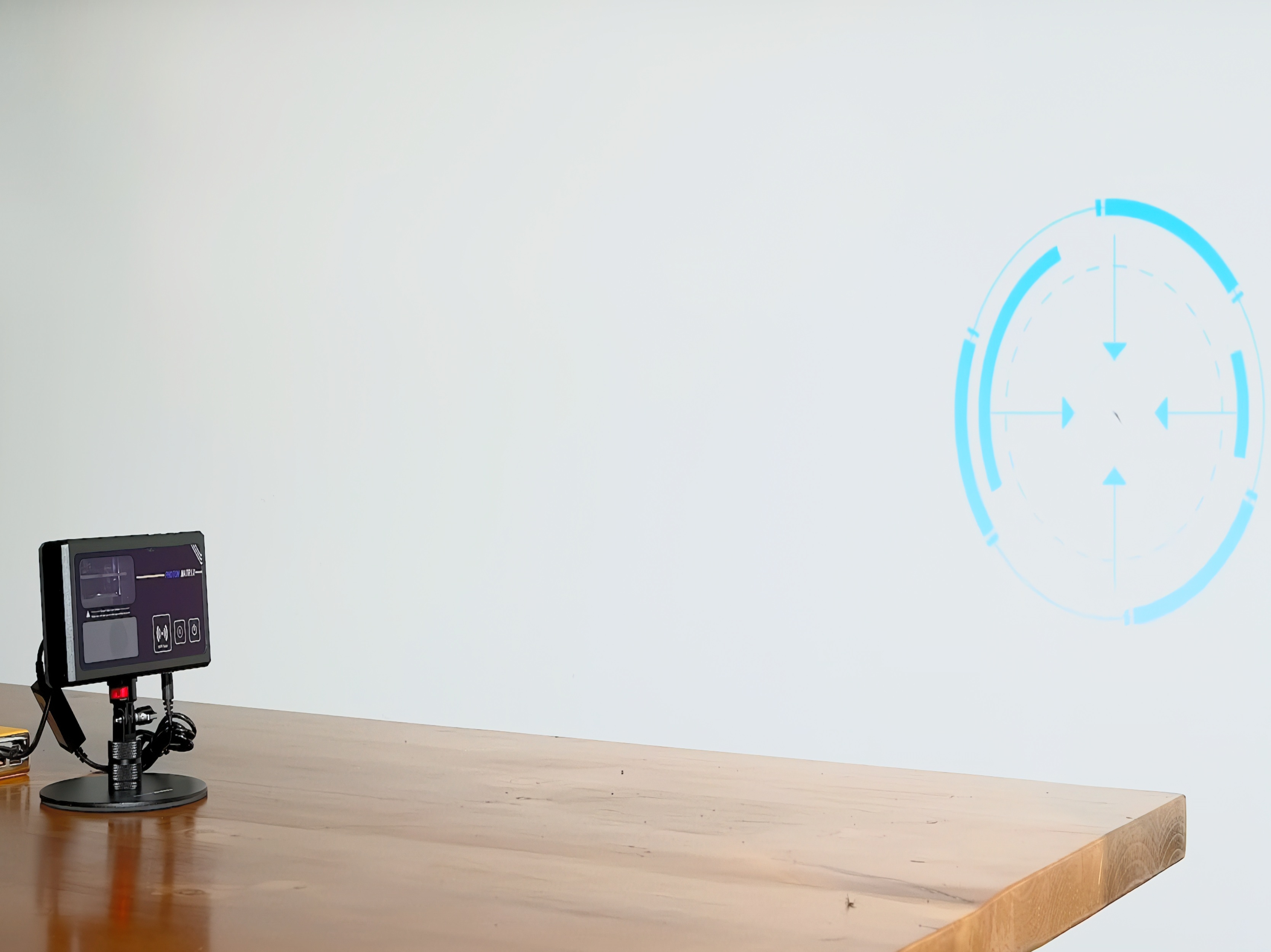
A pioneering Chinese development team has unveiled a groundbreaking mosquito control device that promises a safer, chemical-free alternative to traditional repellents. This innovative system uses laser technology to target and eliminate mosquitoes, leveraging a lidar sensor for real-time detection.
Named PhotonMatrix, the system identifies and targets insects between 2 and 20 millimeters in size, moving at speeds of less than one meter per second. Once a mosquito is detected, the laser springs into action, neutralizing the insect in mid-air. This method avoids the use of chemicals, relying instead on precise, physical criteria for detecting targets.
Designed to prevent accidental activation, the system uses size thresholds to differentiate between mosquitoes and larger objects like humans, pets, or birds. Though the team has yet to secure regulatory approvals, they are aiming to achieve relevant safety certifications soon. The device is powered via USB-C, supporting operation through a standard power bank or portable battery station.
Ideal for outdoor and semi-sheltered areas, the PhotonMatrix works effectively both day and night. For optimal performance, it is recommended to be installed under eaves or solar panels to minimize interference from rain and debris. While primarily aimed at mosquitoes, the device can also target other slow-moving insects like fruit flies and sand flies. However, its scope for faster insects, such as houseflies, is more limited unless the scan angle is narrowed, which consequently reduces coverage.
Gaining significant traction, PhotonMatrix has raised over $400,000 on a crowdfunding platform, vastly surpassing its original $20,000 goal. Early supporters can benefit from special pricing with inclusive shipping and tax, apart from optional battery charges.
The initial delivery was slated for March 2026, but due to demand from distributors in regions preparing for summer, the schedule moved up to October 2025. Despite its functional design, the prototype remains unverified by independent tests and is not yet commercially certified. Though manufacturing costs are currently high, the developers are focused on reducing prices in future production cycles. The system remains a promising yet untested alternative to conventional mosquito control methods, awaiting real-world validation.