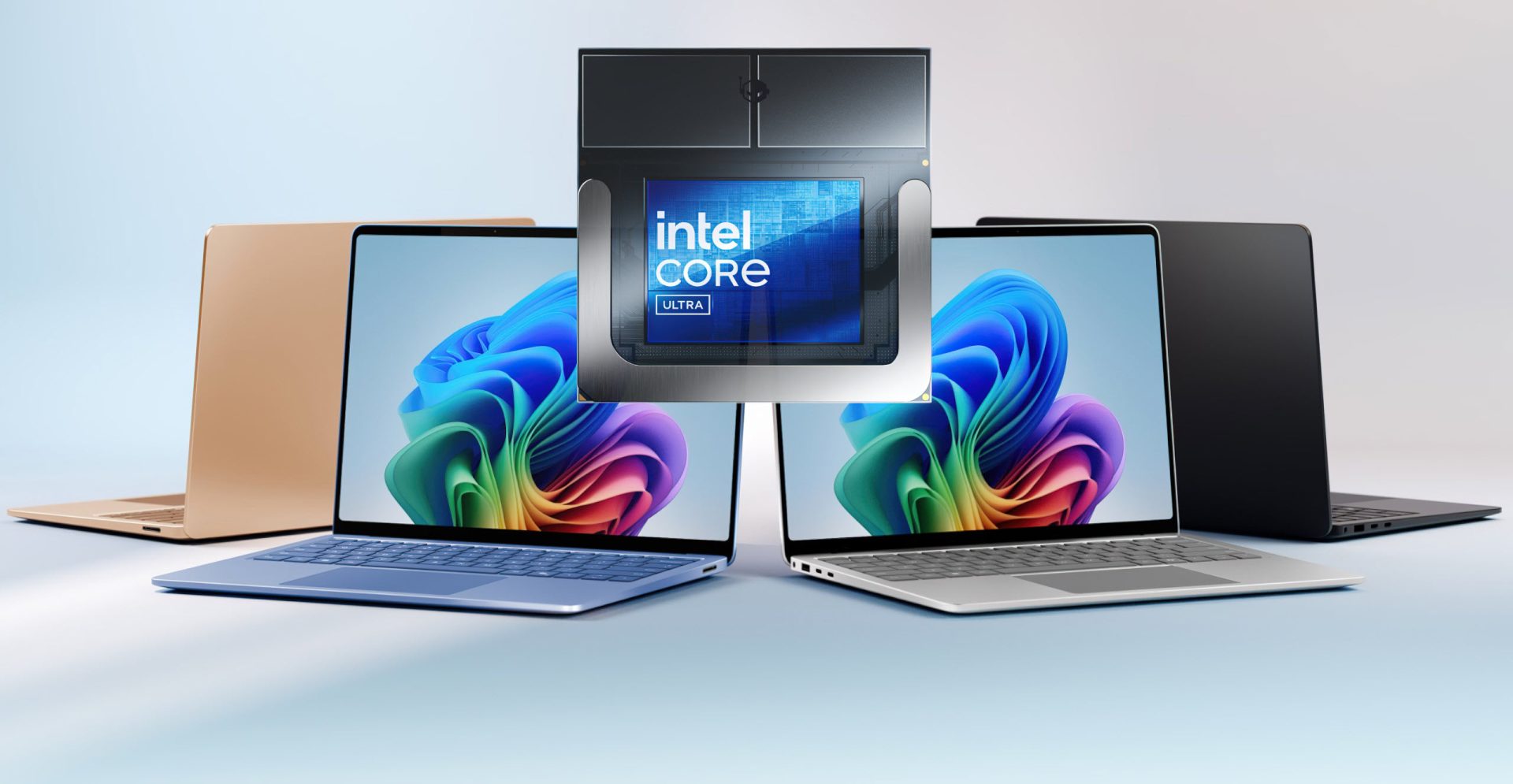
Buying a new laptop could soon get a lot more expensive, and not just by a few dollars. A new forecast suggests mainstream notebook prices may climb by close to 40% if ongoing component shortages and price increases continue to tighten the market.
The pressure is coming from the core parts that make up a modern laptop. While desktop memory pricing has appeared to stabilize in some regions, laptop memory costs have risen quickly. Add in higher SSD prices and the situation becomes even tougher for manufacturers trying to keep prices under control. But the biggest concern isn’t memory and storage alone—it’s the growing impact of CPU pricing and availability.
Research firm TrendForce estimates that memory shortages on their own could push the price of a typical mainstream laptop (around $900) up by nearly 30%. When increased CPU costs are included, the total jump could reach roughly 40%. That’s because memory and CPUs together represent a huge portion of a laptop’s build cost. TrendForce notes that this combined memory-and-CPU share of the bill of materials is usually about 45%, but under current conditions it could rise to as much as 58%. When the most expensive parts of a laptop take up more of the total cost, retail pricing tends to follow.
Interestingly, the memory-and-storage pairing isn’t the main driver behind the sharpest increases. TrendForce indicates the combined impact of RAM and SSDs is comparatively smaller, representing about 15% of the bill of materials, while RAM, CPU, and SSD together account for roughly 45%. In other words, storage price changes matter, but CPU and memory volatility is what can really swing the final price of a mainstream notebook.
For laptop brands and manufacturers, this creates a difficult planning environment. Procurement strategies depend on predictable pricing and steady supply, but rapid swings in memory and CPU markets make it harder to lock in costs for upcoming models. That uncertainty often leads to higher pricing buffers, fewer aggressive discounts, and price increases reaching consumers sooner.
The earliest signs of a broader price rise could appear as soon as Q1 2026, and it may not end there. TrendForce points to reports that Intel has raised prices on entry-level and previous-generation processors by more than 15%, a change that could translate into additional notebook price hikes in the following quarter as well. Combined with supply constraints, CPU costs are becoming a bigger factor in why laptops are getting more expensive.
The takeaway is simple: if you’ve been blaming only RAM or SSDs for rising laptop prices, the next wave may be even more influenced by CPU supply and pricing. If shortages persist, shoppers looking for affordable mainstream laptops may soon face noticeably higher price tags across many popular configurations.