Jensen Huang’s Taipei Visit Turns a Private Dinner Into a Symbol of the AI Boom
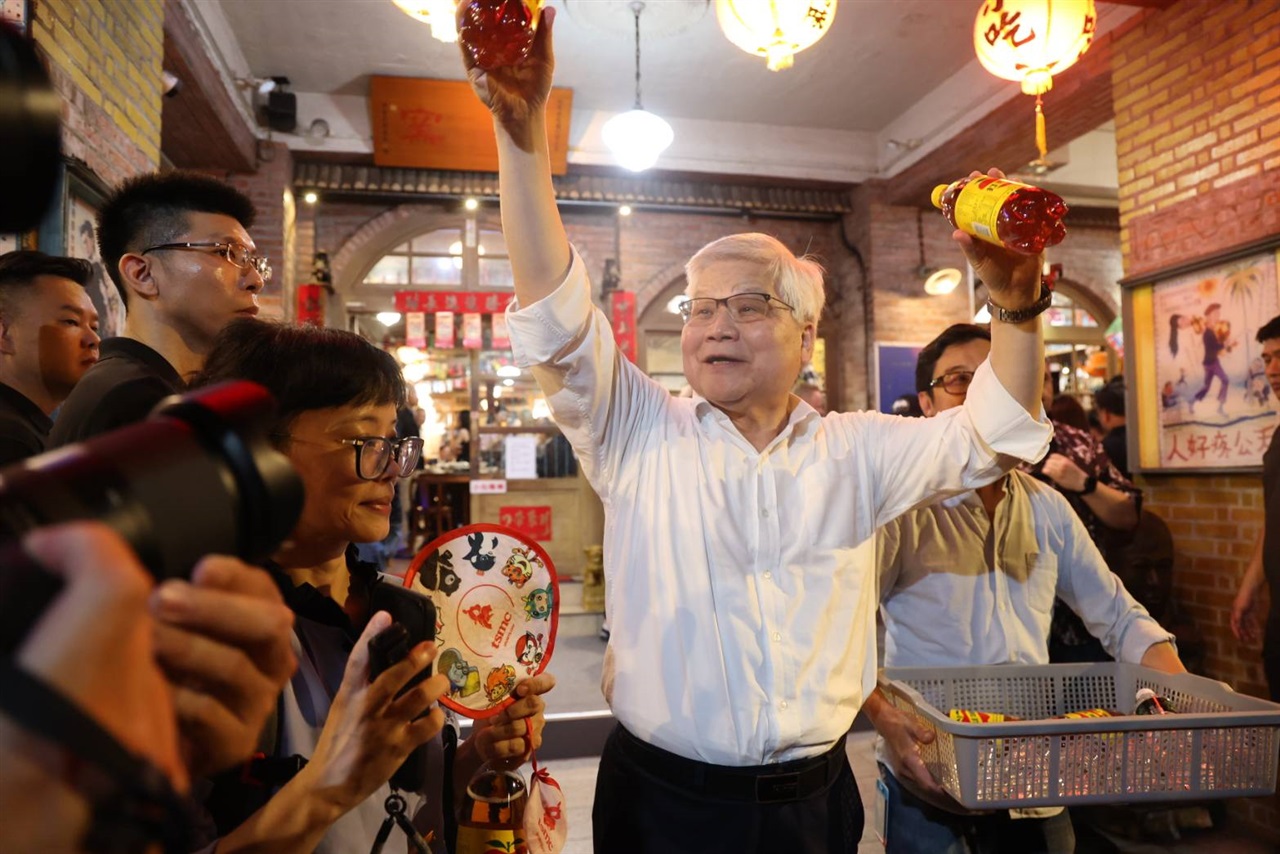
Nvidia CEO Jensen Huang’s latest visit to Taipei quickly became more than a routine business trip. From the moment he arrived on Saturday, May 23, Huang began sharing glimpses of his time in Taiwan on X, mixing personal moments with the kind of public presence that has made him one of the most recognizable figures in the global technology industry.
His posts captured a familiar side of Taipei: busy night markets, street food, fried snacks, and time with family. But behind the casual photos and warm public appearances, the trip carried much bigger meaning. Taiwan remains one of the most important centers in the global AI hardware supply chain, and Huang’s presence there once again highlighted how closely Nvidia’s future is tied to the island’s semiconductor ecosystem.
Six days after his arrival, Huang hosted more than 30 executives at a brick-walled restaurant in Taipei. The dinner quickly drew attention because of who was reportedly gathered around the table: leaders connected to the companies helping power the AI revolution. It was not just a meal. It looked like a snapshot of the modern technology economy, where chips, servers, cloud infrastructure, manufacturing, and artificial intelligence are all tightly connected.
The phrase “trillion-dollar feast” fits because the companies represented in Taiwan’s AI supply chain are no longer operating in the background. They are central to one of the fastest-growing markets in the world. Nvidia’s graphics processors and AI accelerators have become essential for training and running large-scale artificial intelligence models, while Taiwan’s manufacturers play a crucial role in turning those designs into real-world products.
Huang’s Taipei trip also showed how carefully he blends business with personal branding. Unlike many corporate executives who keep their travels quiet, Huang has embraced a more public, approachable style. His food stops, friendly interactions, and open appreciation for Taiwan help reinforce his image as both a global tech leader and a familiar figure with deep personal ties to the region.
That public warmth matters. Nvidia is not just selling chips anymore; it is shaping the infrastructure behind generative AI, data centers, autonomous systems, robotics, and high-performance computing. As competition intensifies, relationships across the supply chain become even more valuable. A dinner with dozens of executives may seem informal, but in the technology world, these moments often reflect deeper strategic alignment.
Taipei is the ideal backdrop for that story. Taiwan sits at the center of advanced chip production and electronics manufacturing, making it a critical stop for any company leading the AI race. For Nvidia, maintaining strong partnerships in Taiwan is essential as demand for AI processors continues to surge. Every new generation of AI chips requires coordination across design, fabrication, packaging, memory, cooling systems, servers, and logistics.
Huang’s visit arrived at a time when artificial intelligence remains the dominant theme across the tech industry. Businesses are racing to build AI-powered products, cloud providers are expanding data centers, and hardware suppliers are under pressure to deliver more powerful and efficient systems. Nvidia has benefited enormously from this demand, but its success also depends on the companies that help manufacture, assemble, and deploy its technology.
That is why this Taipei dinner attracted so much interest. It represented the network behind the AI boom. While consumers often see only the finished products, the real engine of the industry is a web of suppliers, engineers, manufacturers, and executives working behind the scenes. Huang’s gathering offered a rare public glimpse into that world.
The casual setting also made the moment more compelling. Instead of a formal stage or corporate conference room, the meeting took place in a restaurant, surrounded by food, conversation, and the atmosphere of Taipei. That contrast made the scene stand out: a relaxed dinner with the people helping shape one of the most valuable technology movements in history.
For Nvidia, the timing could not be more important. The company has become a key player in the AI economy, and its leadership position depends on both innovation and execution. Designing powerful chips is only part of the challenge. Getting those chips built at scale, integrated into servers, delivered to customers, and supported across global markets requires strong relationships at every level.
Huang’s trip to Taiwan showed that he understands this clearly. His public posts may have focused on family, food, and local culture, but the broader message was unmistakable: Taiwan remains central to Nvidia’s AI ambitions.
As the AI race continues, moments like this will likely receive even more attention. A single dinner in Taipei can now symbolize the direction of the global technology industry. For Jensen Huang and Nvidia, it was another reminder that the future of artificial intelligence is not being built by one company alone. It is being shaped by an entire ecosystem, and much of that ecosystem runs through Taiwan.


