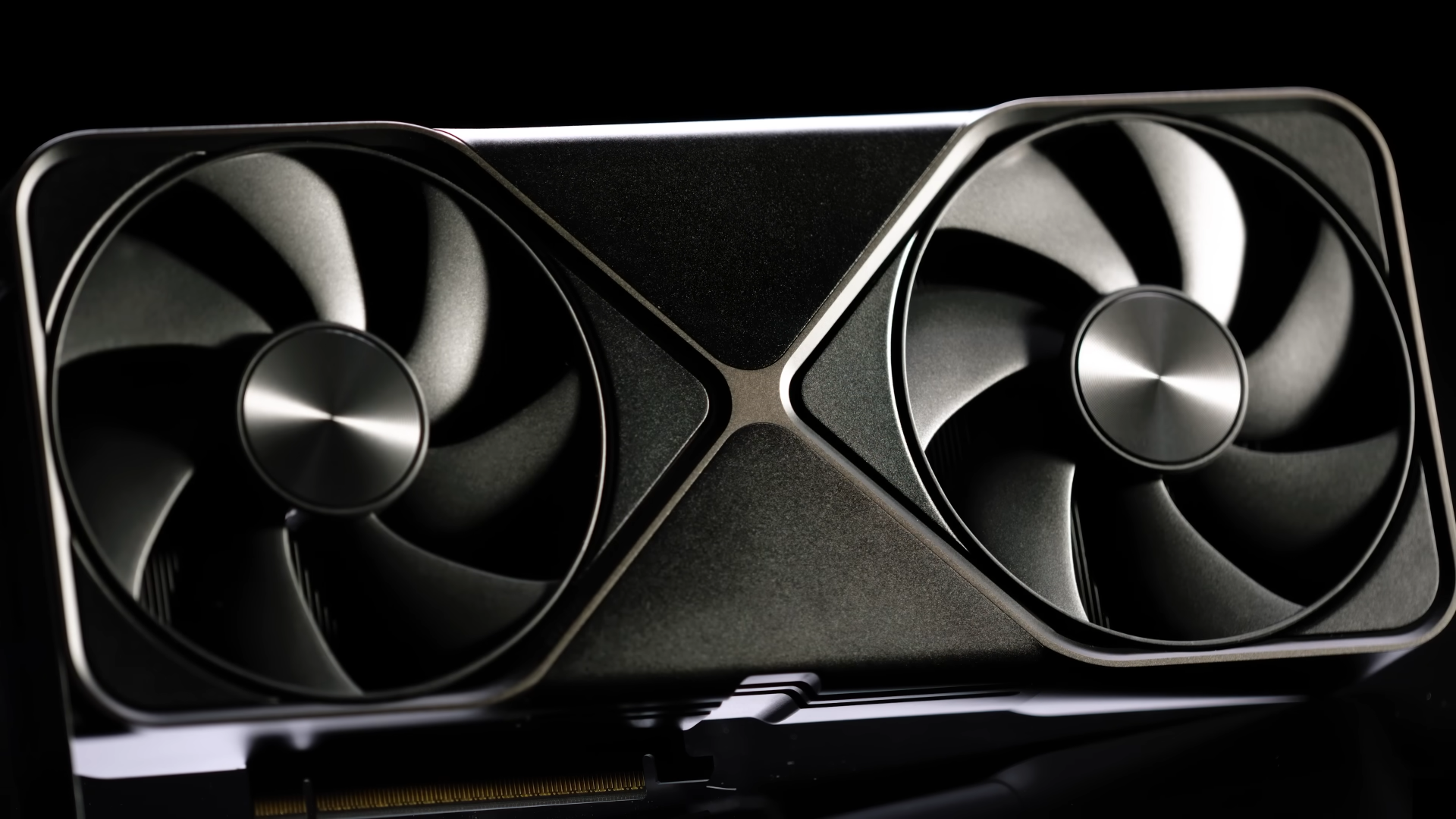
Nvidia RTX 5090 and RTX PRO 6000 Listings Briefly Appear in China Despite Export Restrictions
A surprising set of Nvidia GPU listings briefly appeared on a Chinese online retail marketplace, raising fresh questions about how restricted high-end graphics cards may still be reaching the country through unofficial channels.
The listings reportedly included some of Nvidia’s most powerful Blackwell-based products, such as the RTX 5090 32GB Blower, the RTX PRO 6000 96GB Server, and the RTX PRO 6000 96GB Desktop. These cards were shown with prices of 35,999 yuan, 91,999 yuan, and 76,999 yuan, respectively, before the pages were removed.
The timing quickly drew attention. The listings surfaced as President Donald Trump, Nvidia CEO Jensen Huang, and other executives were making their way to China, while reports suggested that the United States may be easing some restrictions on Nvidia’s older AI chips. In particular, the Nvidia H200 AI GPU is reportedly being cleared for sale to select Chinese companies.
However, the consumer and workstation GPUs that appeared in the marketplace listings are a different matter. The RTX 5090 and RTX PRO 6000 Blackwell series are still officially restricted from sale in China due to concerns over their potential use in advanced computing, artificial intelligence, and high-performance workloads. Nvidia has instead offered China-specific alternatives, including models such as the RTX 5090D v2, designed to comply with export rules.
Because the listings appeared through a third-party storefront rather than an official Nvidia sales channel, there is no clear evidence that Nvidia was directly involved. The most likely explanation is that these GPUs were sourced through unofficial supply routes, including gray-market imports or smuggling networks that have previously been used to move restricted hardware into China.
Reports from users who noticed the listings indicated that the products had been available for some time, particularly the RTX 5090 blower-style model. Once the listings gained wider attention, the pages for the RTX 5090 and RTX PRO 6000 cards were reportedly taken down.
The situation highlights the growing difficulty of enforcing chip export controls in a global hardware market where demand for advanced GPUs remains extremely high. Nvidia’s latest graphics cards are not only sought after by gamers and workstation users but also by companies and developers working on AI, rendering, simulation, and data-heavy computing tasks.
At the same time, the reported approval of Nvidia H200 AI GPU sales to certain Chinese companies suggests a possible shift in the U.S. approach to chip restrictions. The H200 is not Nvidia’s newest AI accelerator, but it remains a powerful product for artificial intelligence training and inference. Companies reportedly cleared to purchase the H200 include major Chinese technology firms such as ByteDance, JD, Tencent, and Alibaba, along with distributors and hardware partners including Foxconn and Lenovo.
Lenovo has reportedly confirmed that it received approval to sell H200 chips in China, while U.S. and Chinese government officials have not publicly commented on the broader details.
The brief appearance of restricted RTX 5090 and RTX PRO 6000 Blackwell GPUs on a Chinese storefront adds another layer to the ongoing chip trade debate. Even as official policy appears to be shifting for some older AI hardware, Nvidia’s newest and most advanced Blackwell GPUs remain tightly controlled. Yet the incident suggests that market demand continues to find ways around formal restrictions, especially when the products involved are among the most powerful GPUs available today.


