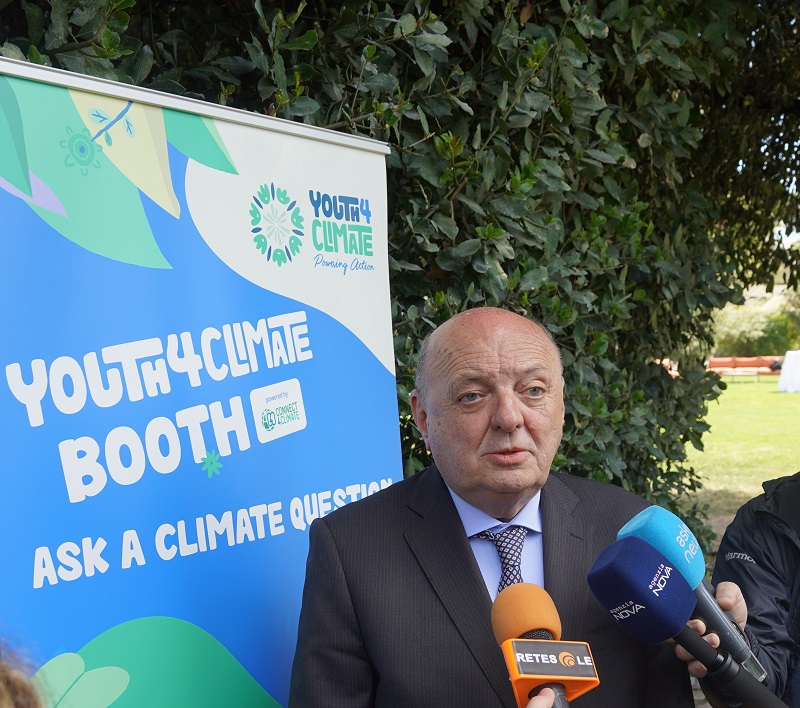
Italy, a nation that once pioneered nuclear energy in the 1960s, is now gearing up to embrace nuclear power once again after decades of prohibition. The Energy Minister, Gilberto Pichetto Fratin, recently disclosed an ambitious plan to reintroduce nuclear energy by 2027. This significant shift in strategy arises despite the strong anti-nuclear sentiment that emerged following major global incidents like Chernobyl and Fukushima, events that had led Italy to shut down its nuclear plants and reinforce the prohibition with a 2011 referendum.
In a conversation with the Italian newspaper Il Sole 24 Ore, Minister Pichetto Fratin elaborated on this bold move, stating, “Italy is ready to return to nuclear power… ensuring a balanced and sustainable energy mix.” This statement highlights nuclear power not as a replacement but as an essential complement to renewable energy sources.
Historically, Italy installed three nuclear plants during its initial foray into nuclear energy, becoming a front-runner in harnessing this technology. However, the nation’s energy landscape transformed drastically over the years with no active nuclear power plants currently in place. By 2023, approximately 45% of Italy’s electricity was derived from natural gas and another 16% from hydropower. Meanwhile, contributions from renewable sources like wind and solar have steadily grown, reshaping the country’s energy profile.
Looking forward, the Italian government is actively drafting a bill aimed at revamping the legal framework to facilitate nuclear energy development. This legislation, under review by the Department for Legal and Legislative Affairs of the Presidency of the Council of Ministers, aims to simplify procedures, paving the way for the construction of nuclear power facilities set to be operational by 2027.
The revival of nuclear energy is seen as a strategic endeavor to meet Italy’s decarbonization goals and potentially lower energy costs for consumers. Minister Pichetto believes this move could mark a pivotal step towards sustainable economic growth and energy assurance.
As someone passionate about economics and energy dynamics, it’s fascinating to watch Italy navigate this complex energy transition, drawing from my experience in journalism within the mining and energy sectors and my ongoing studies in Economic Policies. This development may very well influence how other countries perceive and integrate nuclear power into their own energy strategies.