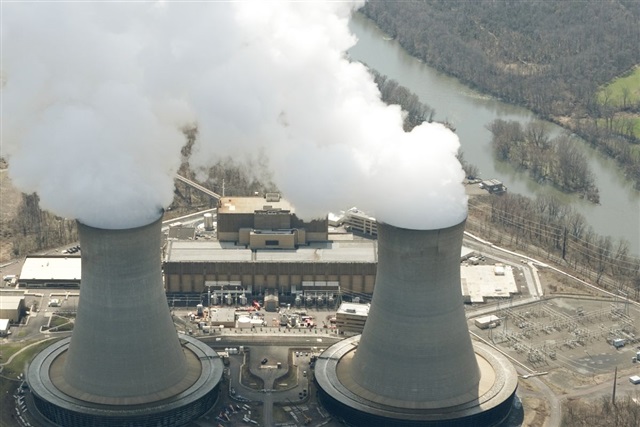
The explosive growth of artificial intelligence is doing more than reshaping software and business. It’s also transforming the world’s electricity needs. As AI models become larger and more power-hungry, and as data centers multiply to support cloud computing, streaming, and always-on digital services, global demand for reliable electricity is climbing fast. That surge is pushing nuclear energy back into the spotlight as a dependable, carbon-free power source capable of delivering constant output around the clock.
Nuclear power is increasingly being viewed as a practical answer to a key energy problem: how to meet rising demand while still cutting emissions. Unlike many renewable sources that can fluctuate with weather and daylight, nuclear plants provide steady baseload electricity. For policymakers trying to balance clean energy goals with grid stability—especially as AI-driven electricity consumption accelerates—nuclear is becoming harder to ignore.
In the United States and across Europe, governments are signaling renewed commitment to rebuilding nuclear capacity. The idea is straightforward: expand or modernize nuclear fleets to strengthen energy security, stabilize grids, and supply the massive, uninterrupted power that advanced computing infrastructure requires. Data centers, in particular, need consistent electricity and predictable pricing—two areas where nuclear power can be attractive when projects are executed efficiently.
But reviving nuclear power in the West is proving easier to talk about than to deliver. Deep structural challenges are slowing progress and raising costs. One major issue is the workforce. Much of the nuclear talent pool is aging, and replacing highly specialized engineers, technicians, and project leaders takes time. Training pipelines don’t expand overnight, and the expertise required to build, maintain, and regulate nuclear facilities is not easily substituted.
Supply chains are another pressure point. Nuclear construction depends on complex, tightly controlled components and materials that require qualified suppliers and long lead times. When supply chains are fragile—or when key manufacturing capacity is limited—projects can face delays that ripple through budgets and schedules. Even minor bottlenecks can become major setbacks in large-scale nuclear builds.
Project delays remain a persistent obstacle as well. New nuclear construction is among the most complicated infrastructure work any country can undertake, involving strict safety requirements, extensive regulatory processes, and high financial risk. In practice, delays often translate into spiraling costs, which can discourage investment and make it harder for governments to maintain public support.
The result is a global nuclear landscape moving in different directions. Rapidly growing electricity demand—supercharged by AI and data center expansion—is creating strong momentum for nuclear power worldwide. Yet in the US and Europe, where leaders are pushing for a nuclear revival, the path forward is constrained by workforce shortages, stressed supply chains, and the real-world challenges of delivering big projects on time.
As AI continues to scale and digital infrastructure becomes even more central to economies, the question isn’t just whether nuclear power is desirable. It’s whether countries can overcome the structural barriers quickly enough to build the reliable, low-carbon generation capacity the future grid will require.