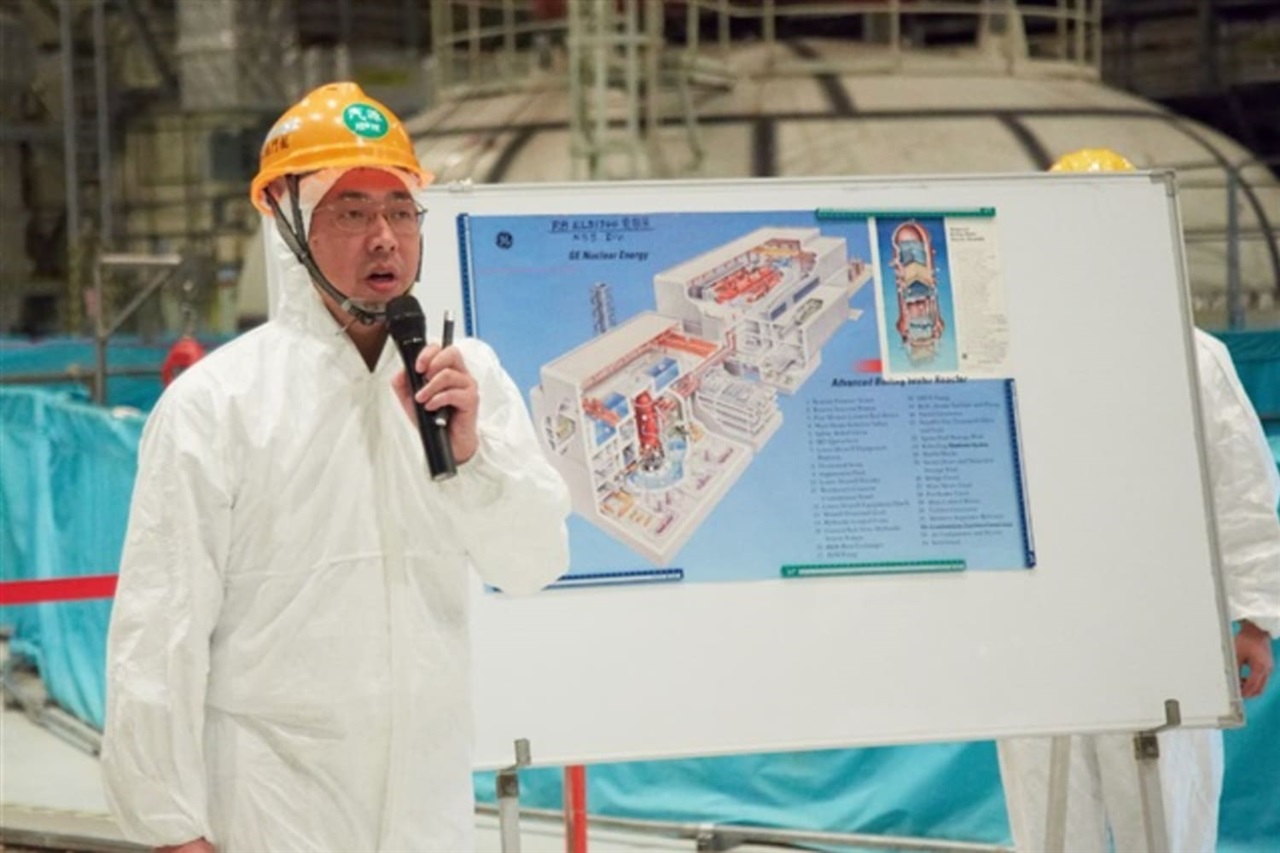
Taiwan is preparing for a major shift in energy strategy, signaling a new openness to nuclear power as it looks for reliable, low-carbon electricity. On February 10, 2026, Taiwan’s Executive Yuan announced that the government plans to fully embrace advanced nuclear energy technologies being developed around the world, including small modular reactors (SMRs). The move represents a notable change from Taiwan’s long-held stance that leaned away from nuclear energy.
The announcement reflects a growing sense of urgency around energy security, stable electricity supply, and emissions reduction. As power demand rises and extreme weather, fuel price volatility, and geopolitical uncertainty continue to pressure energy systems across Asia, Taiwan’s leadership appears to be widening its options—placing advanced nuclear alongside other tools to keep the lights on while supporting long-term climate goals.
A key focus of the new direction is small modular reactors. Often described as a next-generation nuclear option, SMRs are designed to be smaller than traditional reactors and potentially faster to deploy. Supporters argue that these systems can offer scalable output, enhanced safety designs, and flexibility for different grid needs—qualities that appeal to regions trying to balance industrial demand, clean energy targets, and limited land availability.
By stating it will embrace advanced nuclear technologies worldwide, the government is also signaling that it intends to track international progress closely and evaluate multiple designs and approaches rather than relying on a single pathway. This global outlook matters because advanced nuclear is evolving quickly, with countries developing new reactor concepts aimed at improving safety, reducing waste, and lowering construction and operating costs compared with older nuclear plants.
This policy turn is significant not just for Taiwan’s energy planning, but also for the broader conversation about how economies can maintain dependable baseload power while transitioning away from high-emission fuels. For Taiwan—an economy with strong manufacturing needs and a constant requirement for uninterrupted electricity—energy stability is closely tied to competitiveness, supply chain resilience, and national preparedness.
At the same time, moving toward advanced nuclear would raise important questions that Taiwan will need to address in public and in policy: how reactors would be regulated, how nuclear materials and waste would be handled, where facilities might be located, and how safety and emergency preparedness would be managed. Public trust and clear governance will likely be crucial factors as the country explores nuclear options again.
Taiwan’s announcement makes one thing clear: the debate over nuclear energy is evolving, and advanced reactors—especially SMRs—are increasingly being discussed as part of the future clean energy mix. With this new stance, Taiwan is positioning itself to study, evaluate, and potentially adopt next-generation nuclear technology as part of a broader push to secure a stable, modern energy supply.