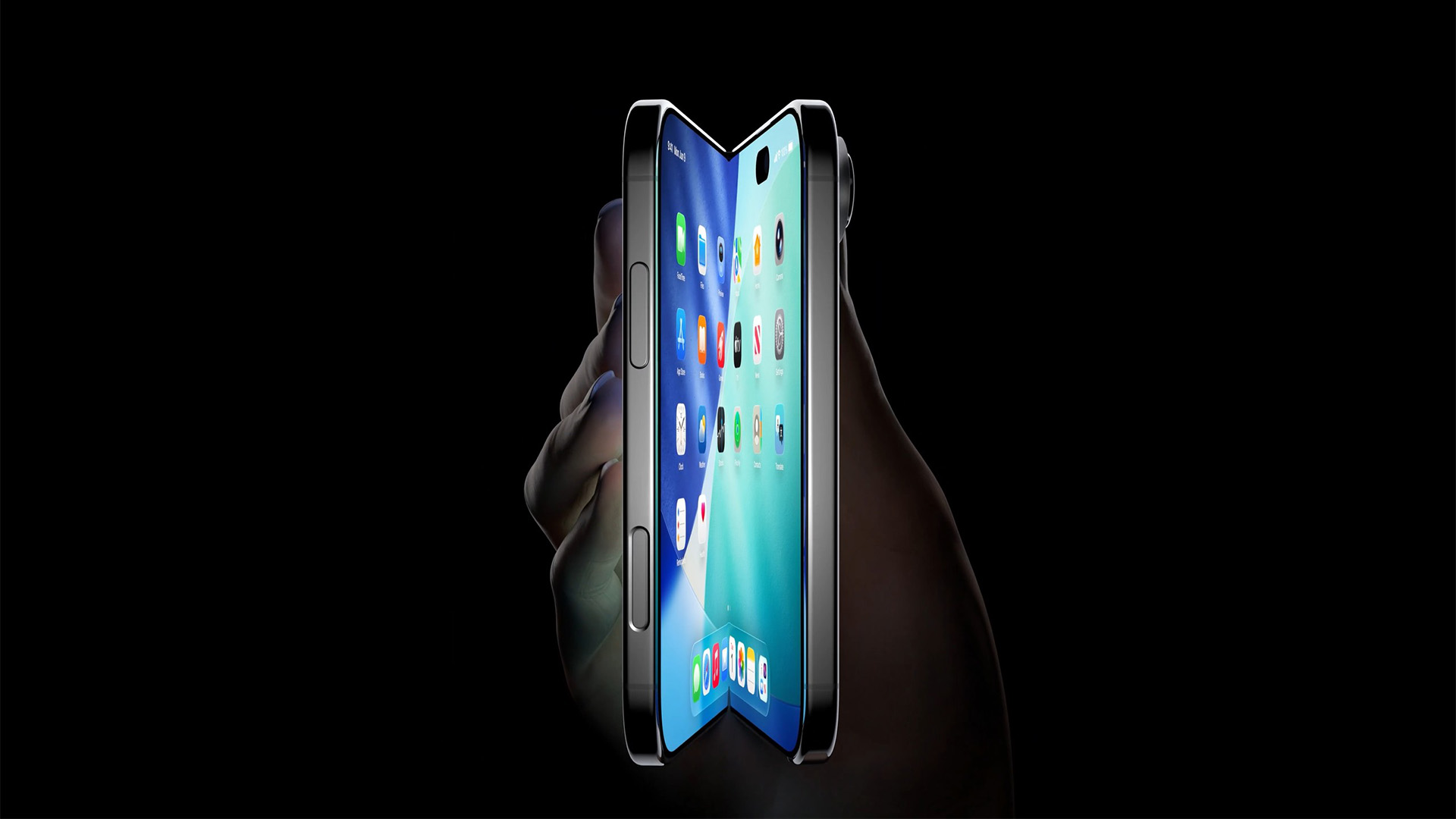
Apple is poised to dramatically reshape the U.S. foldable phone market with the expected arrival of the iPhone Fold later this year. While foldables have been gaining attention in North America—helping brands like Samsung, Motorola, and Google carve out a foothold—new projections suggest that momentum could quickly swing in Apple’s favor once its first foldable iPhone hits store shelves.
Apple is reportedly preparing an initial supply of around 11 million iPhone Fold units, a strong signal that the company expects major demand right out of the gate. If the latest market forecasts play out, Android foldable makers may be forced to rethink their strategies fast as the competitive landscape shifts almost overnight.
Market estimates point to a big year for foldables overall. The category is expected to grow by about 48 percent year over year, but that growth may not translate into wins for today’s leading foldable brands. Instead, much of the expansion could be pulled toward Apple as iPhone users who have been waiting for a foldable option finally get one within the iOS ecosystem.
According to new projections, the iPhone Fold could capture roughly 46 percent of the U.S. foldable smartphone market after launch. That would be a massive entrance for a first-generation product—and it would come at a steep cost to existing competitors. Samsung, which is currently estimated to hold about 51 percent of the region’s foldable market, could see its share drop to 29 percent. Motorola is also expected to take a major hit, falling from 44 percent to 23 percent. Google, already a smaller player in the segment, is projected to slip from 5 percent to around 3 percent.
What makes these predictions especially striking is the rumored price. The iPhone Fold is expected to start at around $2,000, placing it firmly in ultra-premium territory. Even so, Apple’s brand pull in the United States remains a powerful advantage, and the company’s tight integration across devices continues to be a major selling point. For many buyers, the ability to move seamlessly between iPhone, Mac, iPad, and Apple Watch—while keeping apps, services, and data in sync—can be reason enough to stay within the same ecosystem, even at a higher cost.
The iPhone Fold is also rumored to arrive with top-end hardware aimed at justifying its premium positioning. Expectations include Apple’s first 2nm chipset, reportedly called the A20 Pro, along with an in-house mmWave 5G baseband (the C2). Battery capacity is also expected to be a standout, with claims pointing to the largest battery ever used in an Apple phone.
Still, the feature generating the most buzz is the display. The iPhone Fold is expected to target one of the biggest pain points in foldables: the visible crease. A “crease-less” folding screen would be a major leap for usability and perceived quality, and Apple is rumored to be using multiple techniques to reduce or eliminate the crease—reportedly including an unconventional approach involving glue.
If these estimates are accurate, the U.S. foldable phone market is heading toward a major reset. The category may grow rapidly this year, but Apple’s entry could concentrate that growth around the iPhone Fold, leaving current Android foldable leaders scrambling to defend their share.