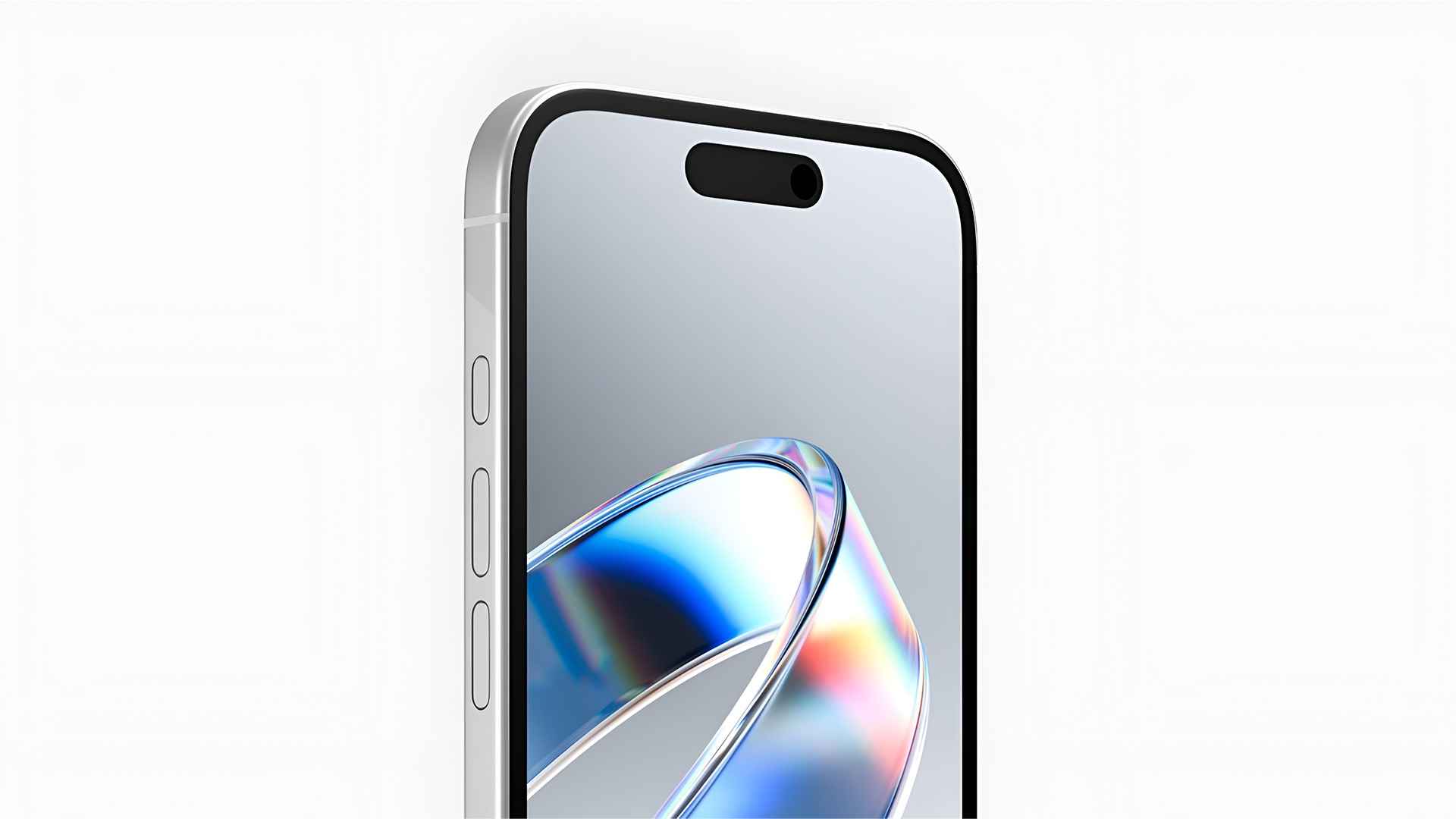
Apple’s budget-friendly iPhone lineup has had one recurring pain point for buyers who care about screen smoothness: no ProMotion. On the iPhone 17e, that meant you were stuck with a standard 60Hz experience while Apple reserved its faster, more fluid refresh rates for pricier models. Now, a new report suggests Apple could finally be preparing a meaningful display upgrade for its lower-cost “e” series—though you’ll need patience, because it may not arrive until the iPhone 19e, expected around early 2028.
The key change being rumored is an LTPO OLED display. LTPO is the display technology Apple uses to enable ProMotion and adaptive refresh rates, allowing the screen to scale dynamically from as low as 1Hz up to 120Hz. That matters for two big reasons: smoother scrolling and animations at the top end, and better efficiency at the low end. When refresh rate can drop way down for static content, the phone doesn’t waste power redrawing the screen unnecessarily—often translating to improved battery life in day-to-day use.
The report also fits into a broader shift Apple appears to be making across the iPhone lineup. LTPO OLED became more common in Apple’s range by 2025, with even the standard iPhone 17 said to have adopted it. If Apple continues broadening LTPO beyond its premium “Pro” models, the iPhone 19e could become the first truly low-cost iPhone to deliver that flagship-style, adaptive 120Hz experience.
It’s worth noting that Apple’s “e” roadmap itself has been the subject of ongoing speculation. Analyst Ming-Chi Kuo previously discussed Apple planning an iPhone 18e, and separate chatter has claimed Apple’s plans for that model are already locked in. There’s still no official confirmation about an iPhone 19e, but the latest report claims Apple is aiming to bring LTPO OLED to its next-generation affordable iPhone.
There may also be a strategic reason behind this potential upgrade. Apple is reportedly researching an even more advanced display approach sometimes referred to as LTPO+. If that next step becomes the new standard for the premium iPhones, Apple could feel more comfortable moving “current” LTPO tech downmarket without blurring the lines between affordable and high-end devices.
Still, there’s a catch: product differentiation. Apple typically protects its premium models by keeping certain features exclusive, and ProMotion has historically been one of them. If LTPO+ development or production runs into complications—or if Apple decides it needs more separation between product tiers—the company could choose to keep the “e” models on traditional OLED panels for longer. In that scenario, the iPhone 19e might end up using the same type of display found in the iPhone 17e and iPhone 18e, maintaining the familiar 60Hz experience.
For now, the idea of an iPhone 19e with LTPO OLED and ProMotion is exciting for anyone who wants a smoother screen without paying flagship prices. But until Apple’s plans become clearer, it’s best viewed as an early look at what could be Apple’s next big upgrade for its affordable iPhone line—one that may finally bring adaptive 120Hz refresh rates and better efficiency to a wider audience.