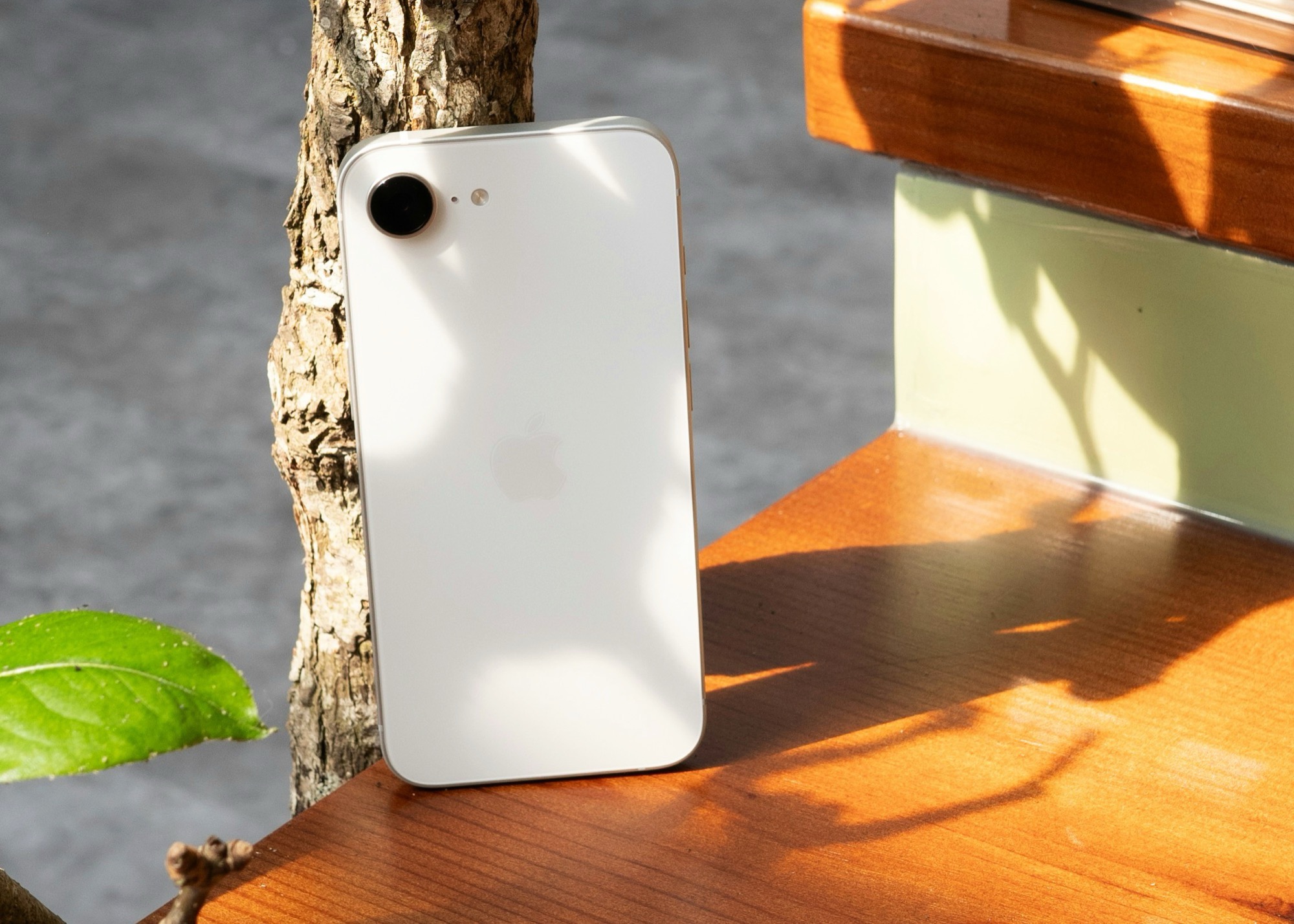
Apple’s budget-friendly iPhone is finally expected to get the screen upgrade many buyers have been waiting for, but not until a couple more generations.
The recently launched iPhone 17e positions itself as a “premium mid-range” option, yet its specs make it feel behind the times in several key areas. A 60 Hz OLED display is hard to justify in 2026 when many affordable Android phones deliver smoother 90 Hz or 120 Hz refresh rates as standard. On top of that, the iPhone 17e sticks to a single 48-megapixel rear camera and a relatively small 4,005 mAh battery, leaving some shoppers wishing Apple had been more generous with features that directly impact everyday use.
New reporting suggests Apple is planning to address at least one of those weaknesses with the iPhone 19e, which is expected to arrive in spring 2028. The biggest change would be the move to a 120 Hz LTPO OLED display, bringing the entry-level iPhone closer to the fluid scrolling and animation performance people associate with higher-end models.
To keep costs down, Apple often uses proven parts from earlier iPhones in its more affordable “e” lineup. That strategy could mean the iPhone 19e adopts a display similar to the one used in the standard iPhone 17. If so, buyers could see a 6.3-inch OLED panel with a 2,622 x 1,206 resolution, a 120 Hz refresh rate, and strong brightness figures—reportedly up to 1,600 nits across the full screen and up to 3,000 nits peak brightness for HDR content.
Beyond smoother performance, LTPO technology has practical benefits that can improve real-world battery life. Because the refresh rate can dynamically adjust to match what’s on screen, an LTPO panel can be more power-efficient than a traditional LTPS OLED panel—especially when you’re reading, viewing static content, or using apps that don’t need high frame rates. Another major perk is always-on display support, where the screen can drop all the way down to 1 Hz to show the time and notifications without significantly draining the battery.
Meanwhile, higher-priced iPhone models launching around the same time are rumored to shift to even newer LTPO+ panels, which are expected to be brighter and more efficient. That would keep Apple’s premium lineup distinctly ahead—while still giving the iPhone 19e a meaningful, long-overdue improvement where users will notice it most: the display.
If these details hold true, the iPhone 19e could become a far more compelling option for shoppers who want iOS at a lower price without feeling like they’re settling for yesterday’s screen technology.