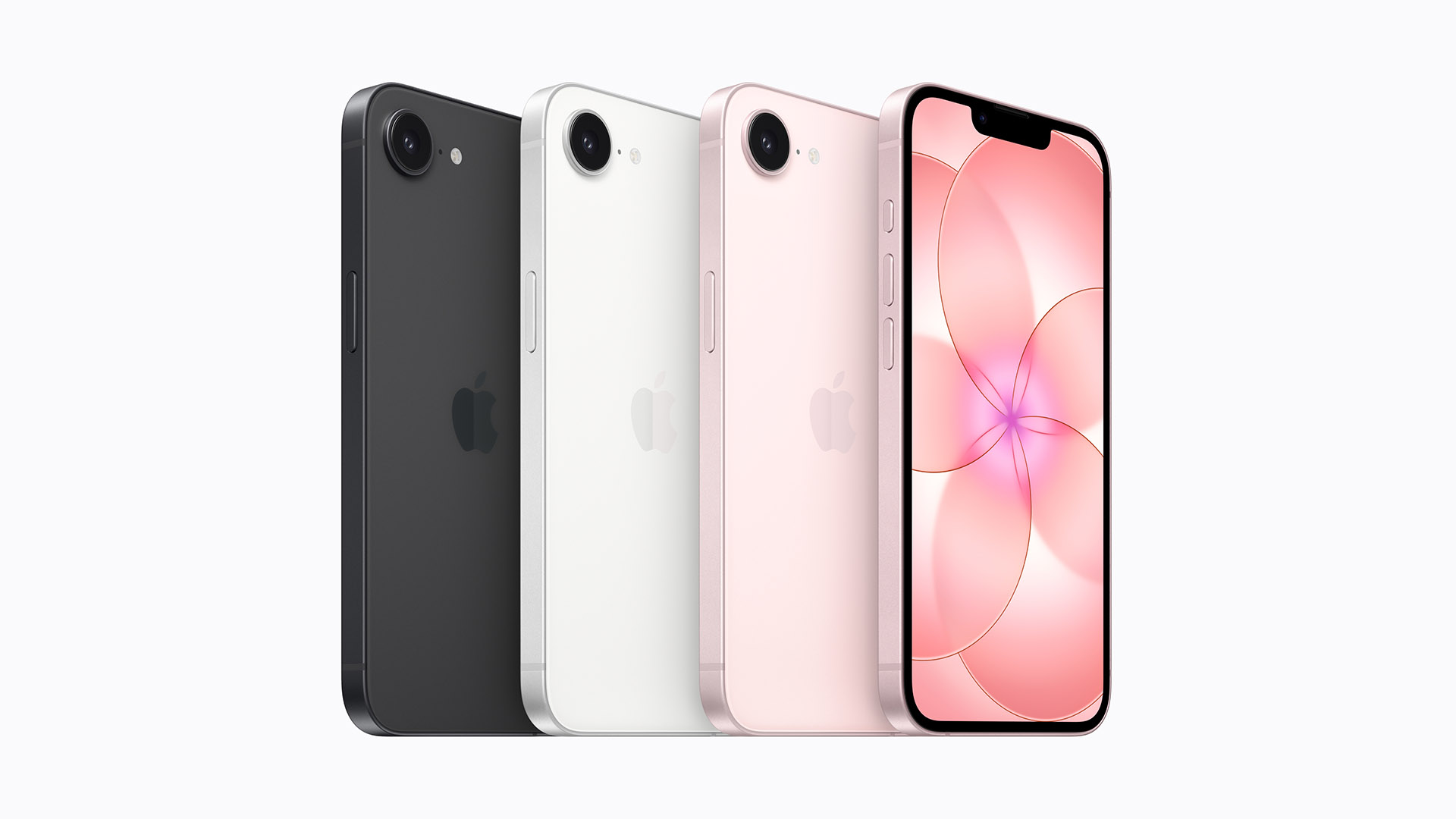
Apple’s iPhone 17e arrives as the company’s latest “affordable” iPhone option, and at first glance it looks almost identical to the iPhone 16e. The big story isn’t the design—it’s what Apple upgraded inside while keeping the starting price at $599. That combination is exactly why early reviews are split: some call it an excellent value for people coming from much older phones, while others argue it’s still overpriced and that paying extra for the standard iPhone 17 makes more sense.
What hasn’t changed much is the outside. If you’re expecting a fresh look, you won’t really find it here. But Apple focused on meaningful internal improvements, and reviewers repeatedly point to performance and day-to-day convenience as the main reasons the iPhone 17e can feel like a big jump—especially if you’re upgrading from an iPhone that’s several years old.
One of the most common takeaways from review impressions is that the iPhone 17e is best for owners of older iPhones such as the iPhone 11 or iPhone 12, or anyone moving up from an older budget device like the iPhone SE (2020) or an aging Android phone. In those cases, the missing “premium” features won’t feel like dealbreakers, because the overall speed, camera processing improvements, and modern Apple features will still feel like a major upgrade.
On the other hand, if you already own last year’s iPhone 16e, the consensus is much clearer: the improvements are incremental, and they’re unlikely to be worth the cost of upgrading. Even with the much-wanted addition of MagSafe, the iPhone 17e isn’t really positioned as a must-have for recent buyers. Apple’s messaging also reflects that strategy, with comparisons aimed more at older iPhone generations where the differences are far more noticeable.
Where the iPhone 17e earns praise is value for money at $599—at least for shoppers who want a new iPhone without climbing higher into flagship pricing. Reviews highlight upgrades like the A19 chip, the convenience of MagSafe charging, doubled base storage, and improved computational horsepower that helps with photos. Taken together, those changes make it a more convincing buy than its unchanged exterior suggests.
Still, multiple reviewers stress an important point for anyone comparing models: the regular iPhone 17 remains better in key areas, and for many people, it may justify the extra $200. The typical reasons cited include a larger and more feature-rich display, an additional camera, and longer battery life. If you care about getting the best overall iPhone experience, the iPhone 17 continues to be the safer recommendation—especially if you plan to keep your phone for years.
Criticism of the iPhone 17e tends to focus on its price relative to competing phones and on Apple’s choice to keep the display refresh rate at 60Hz. That limitation is a sticking point for buyers who expect smoother scrolling and more responsive animations at this price. Camera quality also comes with a ceiling: you can take great photos, but you’ll hit the phone’s limits sooner than you would with the iPhone 17, which benefits from stronger main-camera hardware.
Even with those drawbacks, the iPhone 17e still fills an important role. For shoppers who want a straightforward, basic iPhone experience—brand new, with a warranty, and without the hassle of hunting through second-hand marketplaces—it can be an appealing middle ground.
Apple is currently taking pre-orders for the iPhone 17e, with availability starting tomorrow. Pricing begins at $599 for the 256GB model, and color options include Black, Soft Pink, and White.