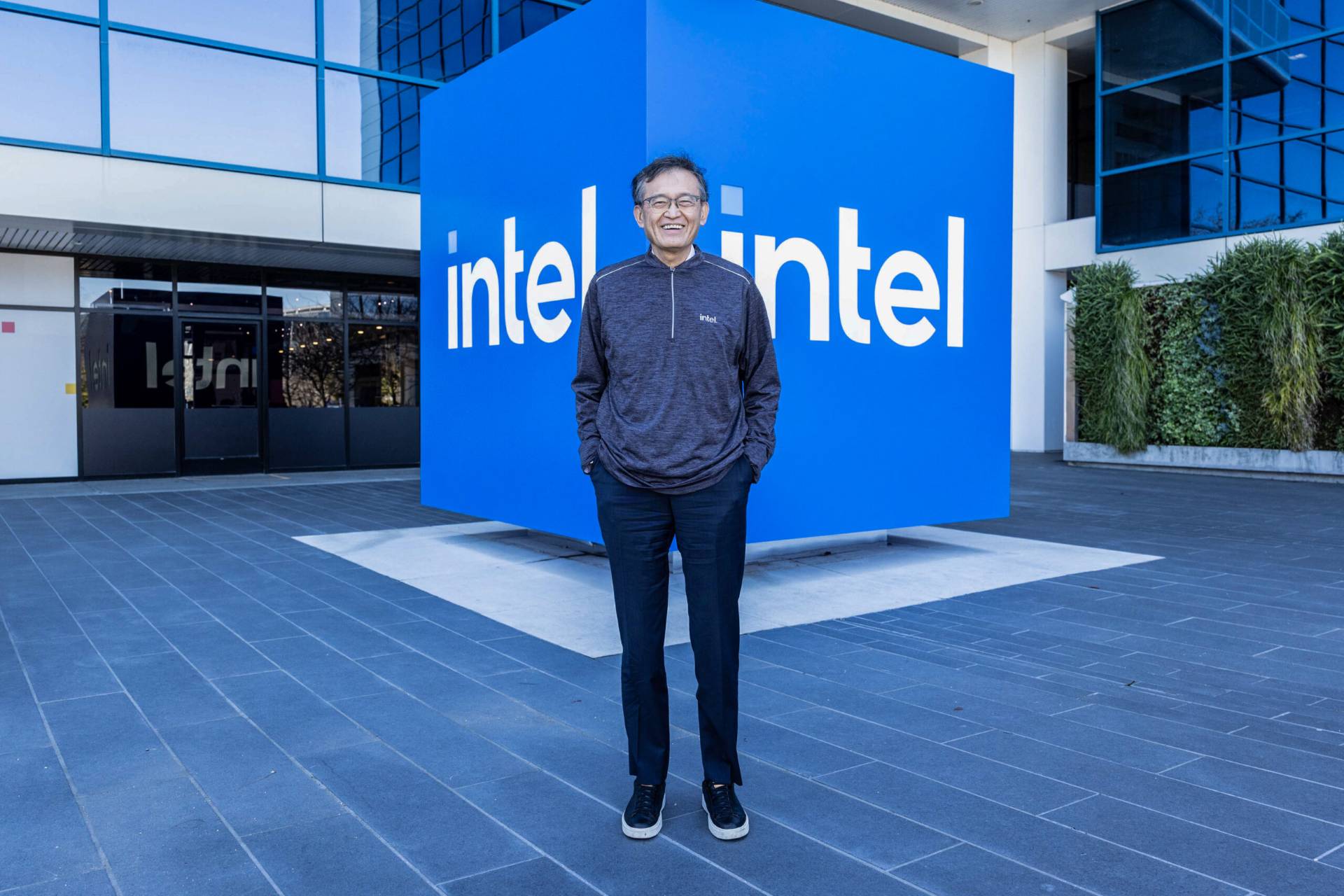
Intel is back at the center of the tech world—and this time, the momentum looks far more durable than a short-lived rally. Under CEO Lip-Bu Tan, the company has moved from a period of deep uncertainty to a surprisingly fast turnaround, powered by a simple but demanding theme: leadership through execution.
Not long ago, Intel was dealing with problems on multiple fronts. Its stock had been struggling, the business faced pressure both inside and outside the company, and it was being outpaced in some of the market’s hottest segments. What changed wasn’t a single breakthrough—it was a sequence of strategic commitments that began with the company’s foundry push and product roadmap groundwork, then accelerated as Tan doubled down and pushed for results. The outcome has been a renewed sense that Intel is no longer stuck trying to catch up, but actively building a path forward.
A major tailwind has been government support and the broader push for domestic semiconductor manufacturing. The U.S. government is described as Intel’s third-largest shareholder, holding a roughly 10% stake that was valued around $40 billion at the start of the month referenced in the post. President Donald Trump has also publicly praised Intel and highlighted stock gains tied to U.S. investment, keeping the company in the national conversation as a “Made in the USA” manufacturing story.
That narrative is being reinforced by real capacity coming online. Intel’s Fab 52, which became operational last year, is a centerpiece of its domestic manufacturing push and is tied to bringing Panther Lake to life on Intel’s 18A process technology. Intel has also secured a defense-related contract tied to supplying chips and advanced packaging capabilities as part of a U.S. defense program, another sign that the company’s U.S.-based manufacturing footprint is becoming strategically important—not just commercially valuable.
The biggest long-term opportunity, however, sits in Intel’s most advanced process technologies and packaging. The company’s upcoming 18A improvements—particularly the optimized 18A-P—along with its next-generation 14A node, are positioned as potentially transformative. In the post’s details, 14A is noted as having drawn interest from Elon Musk for his own TeraFab project. Meanwhile, 18A-P and Intel’s EMIB advanced packaging approach are said to have major industry names paying attention, including Apple, Google, NVIDIA, and MediaTek.
What’s particularly notable is the shift from “rumor” to “reality” in customer momentum. The post emphasizes that many foundry customers are still described as potential or unconfirmed, but it also points out that Tesla was once in that “potential” category—and later became an official deal. Tan has reportedly avoided naming customers directly, preferring to let partners announce their plans themselves, framing it as a matter of respect.
Intel’s rebound isn’t just about winning outside validation. It’s also being supported by improving internal demand signals. On the data center side, surging AI CPU demand has helped drive stronger Xeon momentum, and Intel reportedly sold out its wafer capacity last year as supply constraints tightened under overwhelming demand. That kind of capacity crunch can be frustrating for customers in the short term, but it’s also a clear indicator that Intel’s manufacturing output is being pulled by the market rather than pushed by optimism alone.
On the PC side, Panther Lake is described as off to a strong start, with Intel ramping volume to expand availability across Core Ultra Series 3 systems and the upcoming Core Series 3 “Wildcat Lake” lineup. The company is also said to be working on a multi-product roadmap spanning the next two years, covering a wide range of desktop and laptop CPUs—an effort that signals greater consistency and predictability than the Intel many buyers remember from prior roadmap stumbles.
Investors have responded quickly to the improving outlook. After Tan became CEO in March of last year, the stock reportedly went nowhere for months while Intel struggled to convince the market it could benefit from the AI boom. But as ties with top-tier tech companies strengthened, foundry interest grew, and optimism around AI-related demand improved, shares surged to record levels.
The key takeaway is that Intel’s comeback is no longer just a “promise” story. Between major U.S. manufacturing investments, advanced process node ambitions (18A, 18A-P, and 14A), improved packaging capabilities, rising demand for Xeon, and a stronger client CPU pipeline, Intel is steadily converting potential into tangible progress. Some of the biggest customer announcements may still be ahead, but the direction is clear: Intel is working to re-establish itself as a leading force in U.S. chip manufacturing—and a more credible player in the AI era.