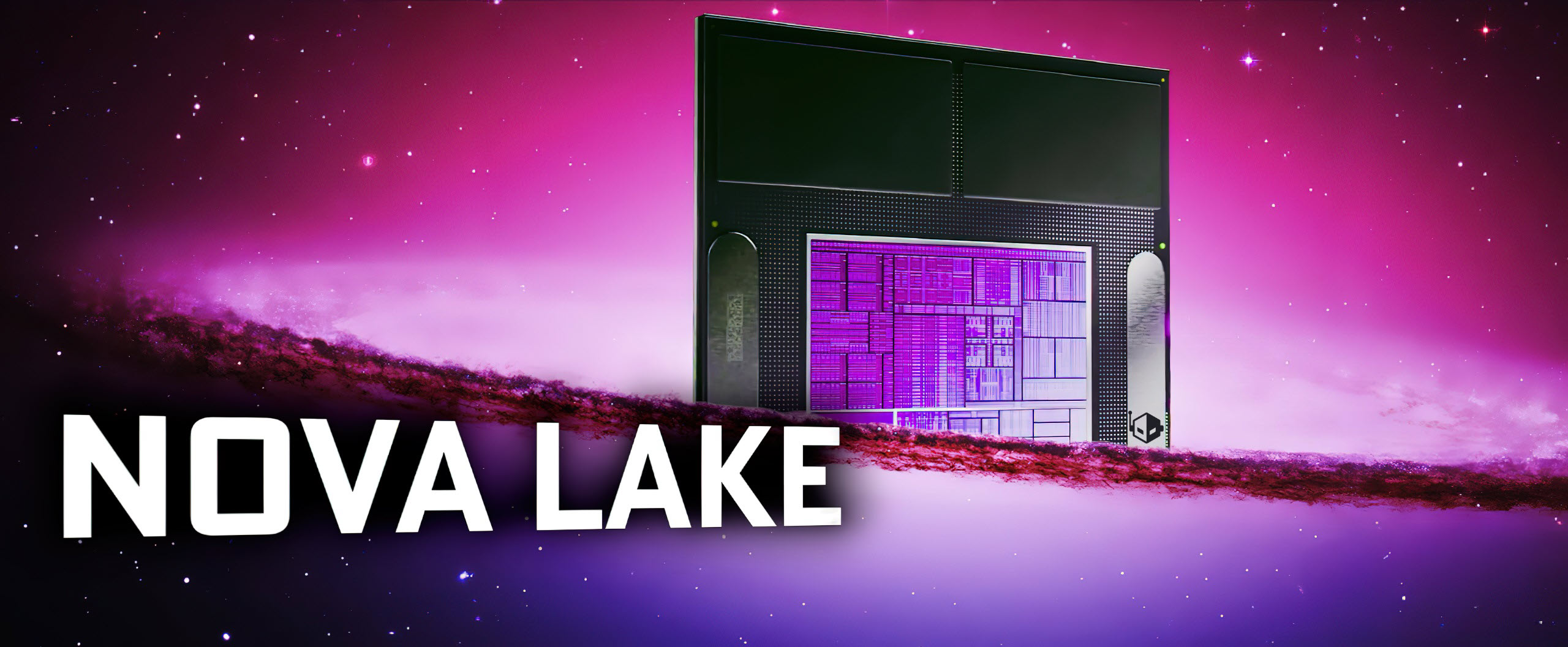
Intel’s Nova Lake-S is set to make waves with its innovative use of two different GPU architectures. This groundbreaking approach will mark the first instance of Xe4-based capabilities within Intel’s lineup. Although details haven’t been officially confirmed, a trusted source hints that Nova Lake-S will be the pioneer in featuring this architecture.
The twist lies in how these architectures are deployed. Unlike previous Intel CPUs that used a single architecture for integrated graphics, the Nova Lake-S processors will harness both Xe3 and Xe4 architectures for separate tasks. Xe3, known as Celestial, will tackle the core graphical workloads, while the Xe4, dubbed Druid, will manage display output along with video functionalities like encoding and decoding.
This dual-architecture strategy highlights Intel’s ambition to optimize performance by leveraging the Xe3 for intense graphical tasks, while Xe4 aims for efficiency, reducing CPU power consumption. This makes Nova Lake-S potentially both robust and power-efficient, a boon for budget-friendly chips handling general workloads. Xe4 is expected to make its appearance by 2026.
Meanwhile, Intel will continue catering to the desktop market with Arrow Lake Refresh chips and Barlett Lake-S, a series featuring only P-Cores from the Raptor Lake Refresh. Nova Lake-S will use the new LGA 1954 socket, similar in size to previous versions. Though Xe4-based Druid graphics cards are on the horizon, they are anticipated no earlier than 2027, as Intel is reportedly already working on them.
In another exciting development, the Panther Lake line for mobile devices will debut with the Xe3 architecture, likely launching before the end of the year.


