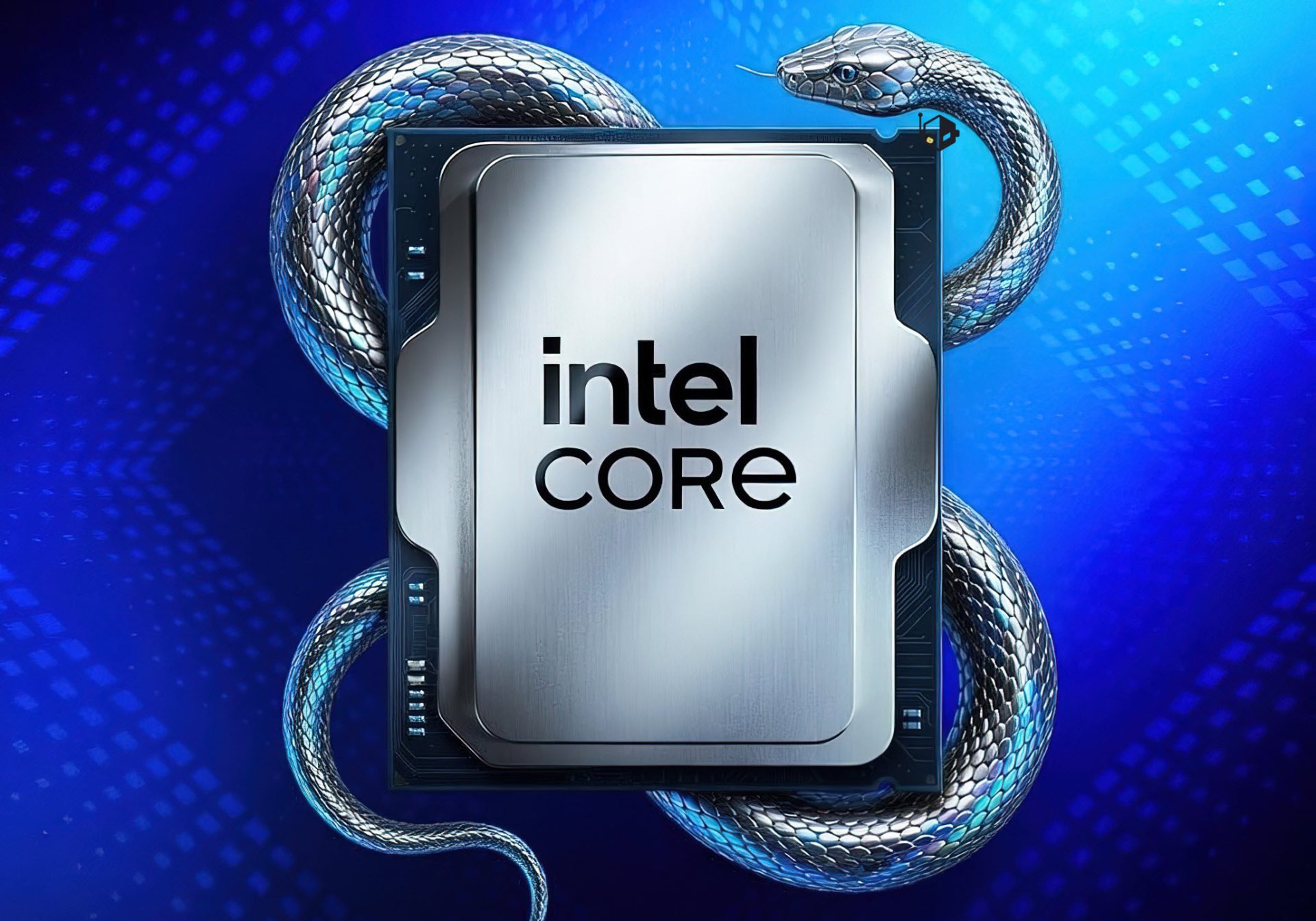
Intel Serpent Lake SoCs with NVIDIA RTX graphics rumored for early 2028 launch
Intel’s future PC processor lineup could take a major turn in 2028, with new rumors suggesting that the company’s Serpent Lake SoCs may arrive in the first quarter of that year. These chips are expected to combine Intel x86 CPU technology with NVIDIA RTX GPU tiles in a single package, potentially creating one of the most interesting processor designs for next-generation laptops and AI PCs.
Intel previously confirmed that it was working with NVIDIA on a custom system-on-chip design featuring NVIDIA RTX graphics technology. The goal is to deliver processors that bring powerful CPU and GPU capabilities together for PCs that need stronger graphics, AI acceleration, and high-performance computing in a more integrated form.
According to the latest roadmap claim, Intel is currently targeting Q1 2028 for these NVIDIA-powered Serpent Lake SoCs. If the schedule remains unchanged, the chips could be announced around the CES 2028 window. While specifications have not been revealed yet, the idea of pairing Intel’s x86 processor architecture with NVIDIA’s RTX graphics IP could have a major impact on the premium PC market.
The Serpent Lake platform is expected to arrive during a period when AI PCs, creator laptops, professional workstations, and high-performance mobile systems are becoming increasingly important. Intel is already pushing into this space with upcoming processor families, while NVIDIA continues to expand its reach in AI-focused computing and graphics. A co-developed Intel-NVIDIA SoC could give PC makers a new option for thin, powerful machines that need advanced GPU performance without relying on a traditional separate graphics chip.
Before Serpent Lake arrives, Intel is expected to introduce other high-end SoC designs. Razer Lake-AX is rumored to be among the first Intel platforms designed to compete with AMD’s “Halo” class products, which are aimed at delivering strong CPU and GPU performance in one package. Razer Lake is believed to follow Nova Lake, placing it around the 2027 to 2028 timeframe.
Serpent Lake, however, appears to be a more distinct project. It is reportedly connected to Intel’s Titan Lake generation but designed as a special branch with a “Halo-like” SoC approach. Titan Lake is expected to succeed Razer Lake, while Hammer Lake is believed to follow Titan Lake later on. Within that roadmap, Serpent Lake stands out because of its rumored use of NVIDIA RTX graphics technology.
The exact GPU configuration remains unknown. There is no confirmed information yet on how many GPU cores, how much graphics memory support, or what level of performance the Serpent Lake GPU tile may offer. However, if the chip is truly planned for 2028, it could potentially use NVIDIA’s Rubin-generation graphics architecture or related RTX IP from that era.
That would make Serpent Lake a particularly important product. It could become one of the first major PC SoCs outside NVIDIA’s own platforms to feature RTX-class graphics directly integrated into the processor package. For laptop makers, this could open the door to premium designs with strong ray tracing, AI acceleration, content creation performance, and gaming capabilities in a more efficient form factor.
The move would also highlight a shift in the PC processor market. Instead of relying only on traditional CPUs paired with separate GPUs, companies are moving toward advanced chiplet and tile-based designs. These allow manufacturers to mix different technologies in one package, combining CPU cores, GPU tiles, AI engines, memory controllers, and other specialized hardware more efficiently.
For consumers, the biggest benefits could include thinner high-performance laptops, better battery efficiency, stronger AI workloads, improved graphics performance, and more compact workstation-class systems. For Intel and NVIDIA, Serpent Lake could represent a strategic way to challenge competitors in the premium mobile and AI PC segments.
Still, the 2028 target is far enough away that plans could change. Roadmaps often shift due to manufacturing schedules, architecture changes, market demand, or platform strategy. Until Intel or NVIDIA shares official details, Serpent Lake should be treated as an early roadmap rumor rather than a confirmed launch plan.
Even so, the concept is compelling. An Intel x86 SoC with an NVIDIA RTX GPU tile would be a major development for the PC industry, especially as AI computing, advanced graphics, and efficient chip packaging become more important. If Serpent Lake launches as expected in early 2028, it could become one of the most talked-about processor platforms of the next generation.