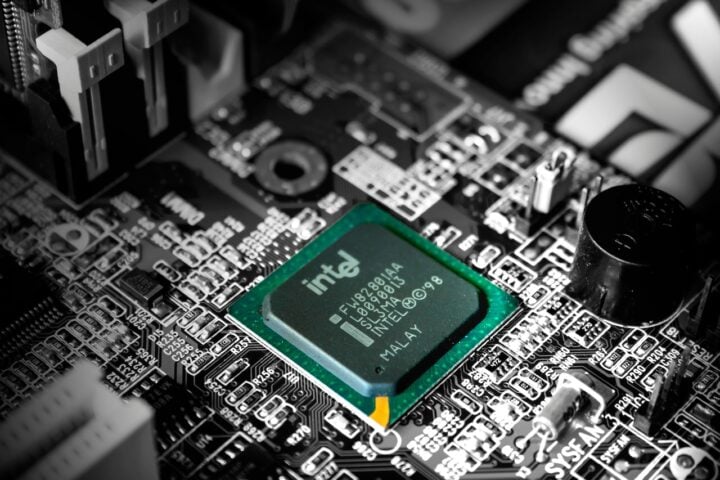
Intel is forging ahead in the foundry sector with considerable investments aimed at challenging leaders like TSMC and Samsung, signaling a robust return to the chip-making domain. Samsung, which has been struggling to match TSMC’s supremacy in contract chipmaking, must now stay vigilant with Intel intensifying competition in the arena.
With aspirations to surpass TSMC, Samsung had previously disclosed their roadmap to bring the 1.4nm fabrication process into production by 2027. However, Intel’s recent announcements indicate potential rivalry in the horizon, projecting similar timelines for their own advanced chipmaking technologies.
Competition Intensifies for Samsung in the Foundry Sector
Intel’s intent to produce chips using a state-of-the-art 1.4nm process was revealed at the company’s inaugural foundry-focused event. Intel CEO Pat Gelsinger introduced the Intel 14A, the moniker for their 1.4nm technology.
Although Samsung and TSMC have initiated manufacturing with 3nm technology, Intel, which is currently on a 5nm node, plans to catch up by commencing 2nm production by 2025, along with its competitors. The US chip giant, despite entering the foundry game relatively late, is focused on closing the technology gap through dedication to advanced processes.
While Samsung’s stakes are placed on commercializing 1.4nm chips by 2027, TSMC has set its sights on a similar timeframe. Intel seems poised to match this schedule. Presently, TSMC dominates the contract chipmaking market with nearly 60% control, whereas Samsung trails with a market share of about 13%.
As Intel secures significant contracts, including Microsoft who has opted for Intel’s 1.8nm process for its chipmaking needs, the company’s ambitions are clear. Gelsinger has emphasized the goal for Intel to become the second-largest foundry in the world by 2030, aiming to surpass Samsung’s market position. Such a move suggests a potential challenge to Samsung’s strategy to increase its market share in the foundry business.