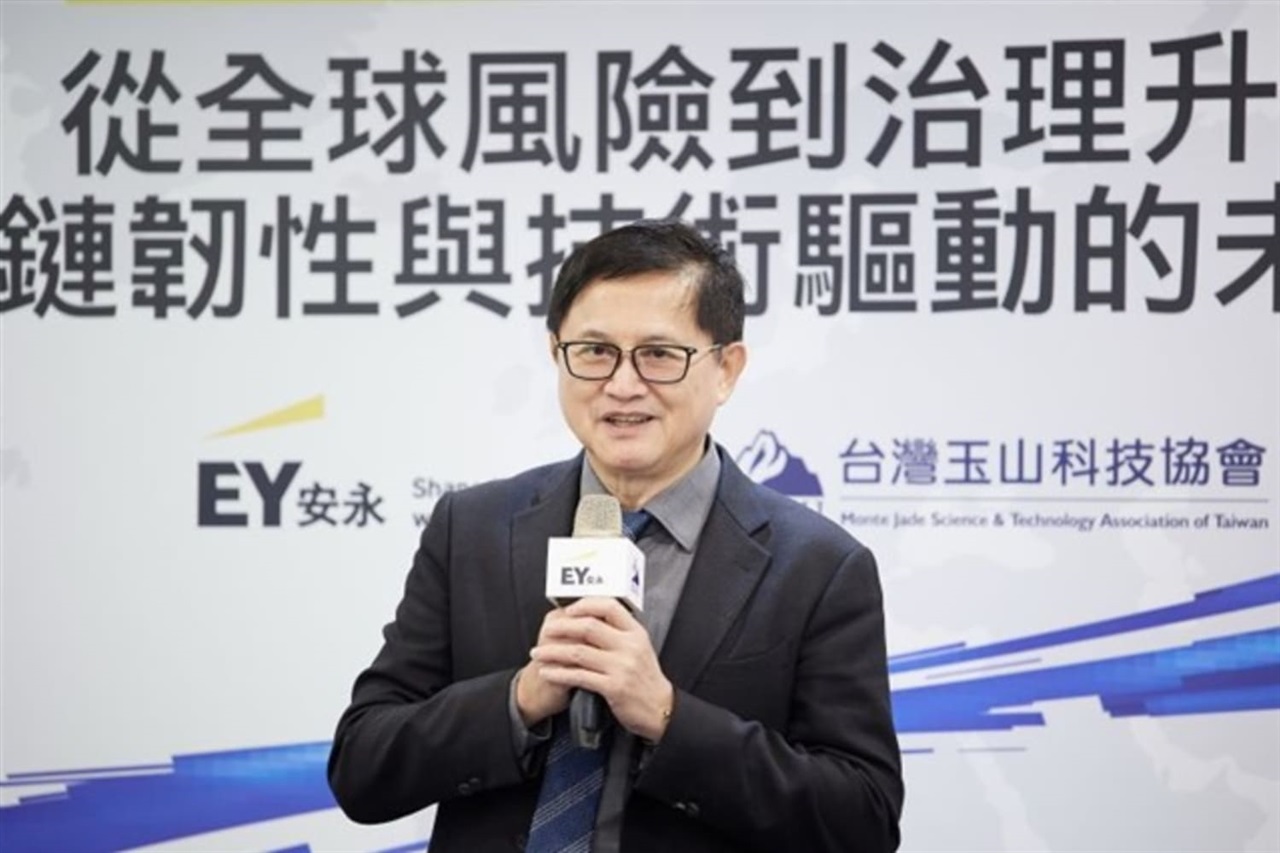
TSMC veteran’s return to Intel amid reported 2nm leak raises fresh questions for the chip industry
A high-profile talent move is stirring debate across the semiconductor world. Reports indicate that Wei-jen Lo, a former senior vice president at Taiwan Semiconductor Manufacturing Company (TSMC), has returned to Intel at a moment when an alleged 2‑nanometer process leak is drawing scrutiny. The timing alone has raised eyebrows, with analysts and industry watchers weighing what it could mean for competitive dynamics, intellectual property safeguards, and the global race to master next-generation nodes.
Why this matters
The 2nm era is the next big inflection point in chipmaking. Shrinking transistors unlocks major gains in performance per watt, making 2nm processes pivotal for everything from AI accelerators and data-center CPUs to advanced smartphones and edge devices. Any disruption—real or perceived—around process know-how at this level can ripple through supply chains, influence customer roadmaps, and alter foundry market share.
Talent mobility and IP guardrails
Top engineers and senior leaders frequently move between chipmakers, and legitimate talent flow is a hallmark of a mature industry. But when movement coincides with reports of sensitive process information surfacing outside its origin, it naturally intensifies questions about how companies manage trade secrets and what safeguards are in place.
Key considerations the industry is watching:
– The rigor of internal controls: compartmentalized R&D, need-to-know access, secure design flows, and traceable collaboration tools help protect proprietary knowledge.
– Legal and compliance frameworks: non-disclosure agreements, trade-secret training, and post-employment restrictions are meant to deter and detect misuse.
– Cultural and retention strategies: competitive compensation, clear career paths, and mission-driven R&D can reduce the risk of critical teams walking out the door.
The competitive backdrop
TSMC remains the world’s leading pure-play foundry, while Intel is pushing hard to reassert manufacturing leadership and scale its contract manufacturing business. Both are racing toward advanced nodes that promise higher density and efficiency. In this race, process knowledge is a crown jewel—hard-won through years of materials science innovations, yield tuning, and ecosystem partnerships. Even the appearance of leaked know-how can unsettle customers who rely on predictable roadmaps and strict IP boundaries.
Possible implications for customers and partners
– Roadmap confidence: Major chip designers need clarity on when 2nm and related technologies will be production-ready at high yield. Any uncertainty can complicate product planning.
– Multi-sourcing strategies: Some customers may revisit diversification plans across foundries to hedge risk, especially for high-volume or strategic products.
– Compliance reassurance: Clients will look for strong, documented assurances that sensitive methodologies remain protected, regardless of leadership changes.
What we know—and what we don’t
Public discussion centers on the convergence of two facts: reports of a 2nm-related leak and news that a former TSMC executive has rejoined Intel. It is important to stress that details remain limited in the public domain, and there has been no definitive, publicly verified evidence tying any individual to wrongdoing. The situation underscores broader concerns about talent retention, the safeguarding of proprietary processes, and the need for robust governance as the node transition intensifies.
Geopolitics in the background
The semiconductor supply chain is already under intense geopolitical pressure. Governments view leading-edge manufacturing as a strategic asset tied to national security, economic resilience, and technological leadership. Any perceived vulnerability around advanced nodes can prompt closer regulatory attention, strengthen export-control compliance, and accelerate efforts to localize critical manufacturing capabilities.
How companies can respond
– Double down on process security: strengthen access controls, audit trails, and anomaly detection across EDA tools, PDKs, and fabrication data.
– Invest in people: targeted retention packages, cross-functional growth paths, and employee ownership can reduce attrition of key teams.
– Enhance transparency with customers: proactive briefings and third-party audits can reinforce confidence in IP protection and roadmap stability.
– Collaborate with regulators: clear communication and compliance can reduce uncertainty and maintain trust across jurisdictions.
What to watch next
– Official statements or clarifications from the companies involved regarding governance, safeguards, and any internal reviews.
– Customer guidance on 2nm timelines and sourcing strategies.
– Regulatory or industry-body commentary on best practices for protecting advanced process technologies.
– Hiring patterns and leadership shifts that could signal strategic priorities across leading foundries.
Bottom line
The reported 2nm leak and the return of a prominent TSMC veteran to Intel arrive at a sensitive moment for the chip industry. While facts are still emerging, the episode highlights an enduring reality: at cutting-edge nodes, people are as crucial as equipment, and the safeguards around their knowledge can be as decisive as any breakthrough in lithography or materials science. For chipmakers, customers, and policymakers alike, ensuring that talent mobility coexists with uncompromising IP protection will be essential to navigating the 2nm transition with confidence.