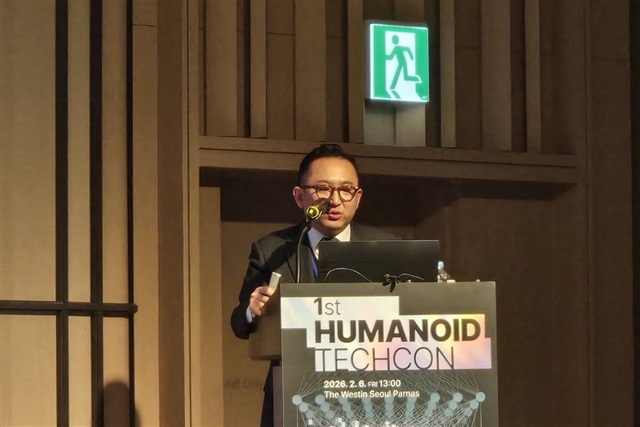
Humanoid robots are moving quickly from futuristic prototypes to real machines that can work alongside people. As the technology accelerates, South Korea is taking steps to get ahead of the risks by building clearer rules on robot safety, legal liability, and verification standards before these robots become common in factories, logistics centers, hospitals, and other workplaces.
The goal is straightforward: prevent confusion and costly disputes once humanoid robots begin operating at scale. When a robot is involved in an accident or causes damage, questions arise immediately. Who is responsible—the manufacturer, the software developer, the company operating the robot, the maintenance provider, or the end user? Without a clear legal framework, even a single incident could slow adoption, trigger lawsuits, and make businesses hesitant to deploy robots broadly.
South Korea’s push focuses on bringing structure to several key areas. One is safety: establishing expectations for how humanoid robots should be built, tested, and monitored so they can operate around humans with minimal risk. Another is liability: clarifying how responsibility is assigned when something goes wrong, especially in scenarios where decision-making is shared between hardware, software, and the operator. A third priority is verification standards—practical ways to prove a robot meets certain requirements before it is deployed in real-world industrial environments.
Legal and regulatory specialists are increasingly emphasizing that robots are different from traditional machines. Humanoid robots can move through human spaces, interact with workers, and make rapid decisions based on sensors and AI-driven systems. That complexity can blur the lines of accountability. Clear verification systems can help by defining what “safe enough” looks like, how performance should be measured, and what checks are needed when robots receive software updates or new capabilities.
By working toward regulatory clarity now, South Korea is signaling that it wants innovation without sacrificing workplace safety or legal certainty. For companies developing or deploying humanoid robots, defined standards can reduce uncertainty, speed up approval processes, and build public trust. For workers and consumers, stronger rules can help ensure robots are introduced responsibly, with transparent safeguards and clear paths for resolving disputes.
As humanoid robot deployment draws closer, South Korea’s approach highlights a growing global reality: the technology is arriving fast, and the rules governing safety, accountability, and compliance must evolve just as quickly.