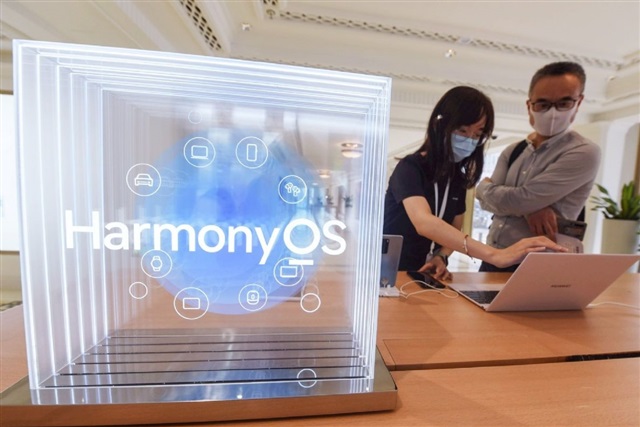
Huawei is set to unveil HarmonyOS 6 on October 22, 2025, marking a major step forward for its homegrown operating system. The launch, led by the company’s Terminal Business Group, signals more than just an annual software refresh. Analysts view it as a clear move to take HarmonyOS beyond consumer gadgets and deeper into institutional environments, including government and other large-scale deployments. In short, this release is poised to push Huawei’s ecosystem into its next phase.
What makes HarmonyOS 6 especially interesting is the growing expectation that it will emphasize AI and tighter hardware-software integration. HarmonyOS has long focused on connecting phones, wearables, smart home devices, and in-car systems under a single, seamless umbrella. With this new version, the spotlight is likely to turn to smarter on-device intelligence and a more unified experience across different categories of hardware. That kind of convergence is increasingly important for organizations that need dependable, secure, and scalable platforms spanning many device types.
The timing matters, too. As digital transformation accelerates across public institutions and enterprises, the demand for cohesive operating systems with robust security and strong performance has never been higher. Analysts read the HarmonyOS 6 announcement as a sign that Huawei aims to position the platform as a foundation for broader deployments—beyond personal devices and into critical services and public sector use. Expanding in these areas could help the company build a more resilient ecosystem with long-term strategic value.
For everyday users, HarmonyOS 6 is expected to build on the strengths the platform is known for: fluid cross-device collaboration, fast task handoff, and consistent interfaces. Consumers increasingly want their phone to talk to their watch, their TV, their car, and their smart home gear without friction, and HarmonyOS 6 looks set to double down on that promise. The backdrop of AI advances only makes this more compelling, as on-device intelligence can make features feel faster, more personal, and more private.
For developers, a maturing HarmonyOS can mean more unified tools, smoother app deployment across device types, and a growing user base in both consumer and institutional segments. If Huawei continues to streamline development and improve performance, it could reduce the overhead of building for multiple screens and hardware profiles. That, in turn, can help software makers reach more users with less effort.
Security and reliability will be key talking points. Any operating system making inroads into government and enterprise circles needs to demonstrate strong protections, efficient resource usage, and predictable performance across a wide range of hardware. While full details will arrive at the launch event, HarmonyOS 6 is expected to underscore these areas alongside its AI and multi-device ambitions.
The broader message around HarmonyOS 6 is strategic rather than incremental. By leaning into AI-driven experiences and deep hardware convergence, Huawei appears intent on creating a platform that scales from personal devices to organization-wide deployments. This dual focus could help it stand out in a crowded OS landscape and appeal to decision-makers looking for cohesive, flexible, and secure technology stacks.
Mark your calendar for October 22, 2025. With HarmonyOS 6, Huawei is not just updating an operating system—it’s setting the stage for a more integrated ecosystem that aims to serve individuals, businesses, and public institutions alike. As the company outlines what’s new, expect themes of AI, cross-device unification, and enterprise-ready capabilities to take center stage.