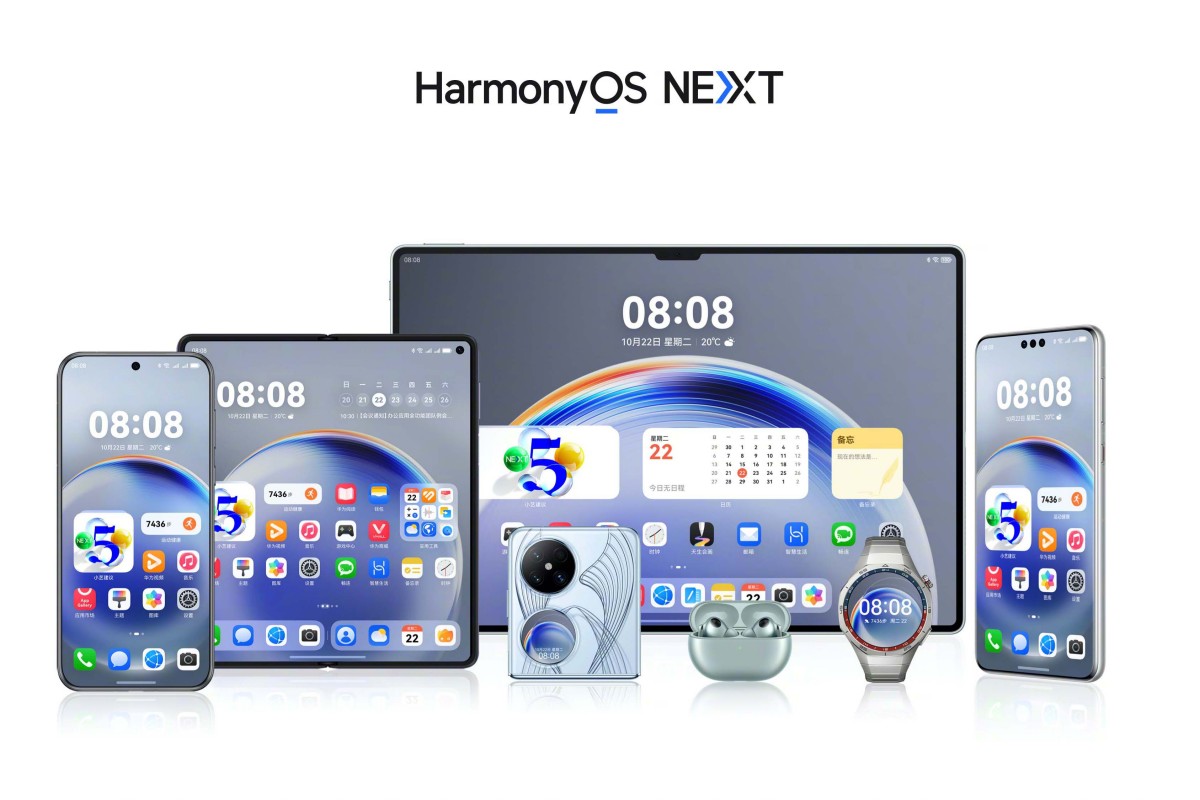
Huawei has taken a bold step forward with the introduction of HarmonyOS NEXT, marking a significant departure from its earlier versions. Launched first in 2019, HarmonyOS initially relied on the Android Open Source Project (AOSP) framework. However, subsequent U.S. sanctions prompted Huawei to accelerate its path to independence by developing HarmonyOS NEXT as a completely standalone operating system. This latest edition not only distances itself from Android but also adds a host of new features and improvements.
The revamped user interface brings a fresh and engaging experience to users, featuring dynamic wallpapers that adapt based on varying external conditions like weather, clock positioning, and lighting. This aesthetic upgrade enhances the visual appeal of the operating system, making everyday interactions more enjoyable.
Privacy and security have been given a substantial boost with the introduction of Huawei’s “Star Shield” architecture. This new approach safeguards user data by preventing unauthorized access and includes an encrypted file-sharing capability that ensures files remain secure during transfers. Video recording is automatically disabled during file sharing, further enhancing security. Moreover, users can take advantage of detailed access logs to monitor app behavior and data usage, providing an extra layer of transparency and control.
Performance-wise, HarmonyOS NEXT showcases significant enhancements. Huawei has upgraded the Ark Engine, which governs graphics, multimedia, and memory management. This results in smoother performance, boasting a 30% increase, alongside boosting battery life by an extra 56 minutes. To facilitate better multitasking, the system endows users with an additional 1.5GB of memory, promising a more seamless experience.
The new operating system also reinforces Huawei’s ecosystem significantly. The inclusion of the Distributed Soft Bus feature has improved cross-device collaboration, enabling functionalities like gallery sharing, clipboard syncing, and in-app video casting across different Huawei devices. File transfers between devices are now more efficient thanks to the Tap-to-Share feature.
One of the most critical aspects of any operating system is its app ecosystem. While HarmonyOS NEXT no longer draws from the extensive Android library, Huawei has ensured that over 15,000 native apps are compatible, striving to meet user needs as comprehensively as possible.
Currently, HarmonyOS NEXT is undergoing public beta testing and is available for flagship devices including the Huawei Pura 70 Series, Pocket 2 Series, and the MatePad Pro 11-inch (2024). The company plans to extend support to more devices in 2025.
In conclusion, HarmonyOS NEXT represents a new chapter for Huawei as it ventures deeper into independence. While it introduces a promising set of features and enhancements, the challenge of expanding its native app library remains a critical hurdle for broader consumer adoption. As it stands, HarmonyOS NEXT is an ambitious and forward-thinking step that signals Huawei’s commitment to advancing its ecosystem.