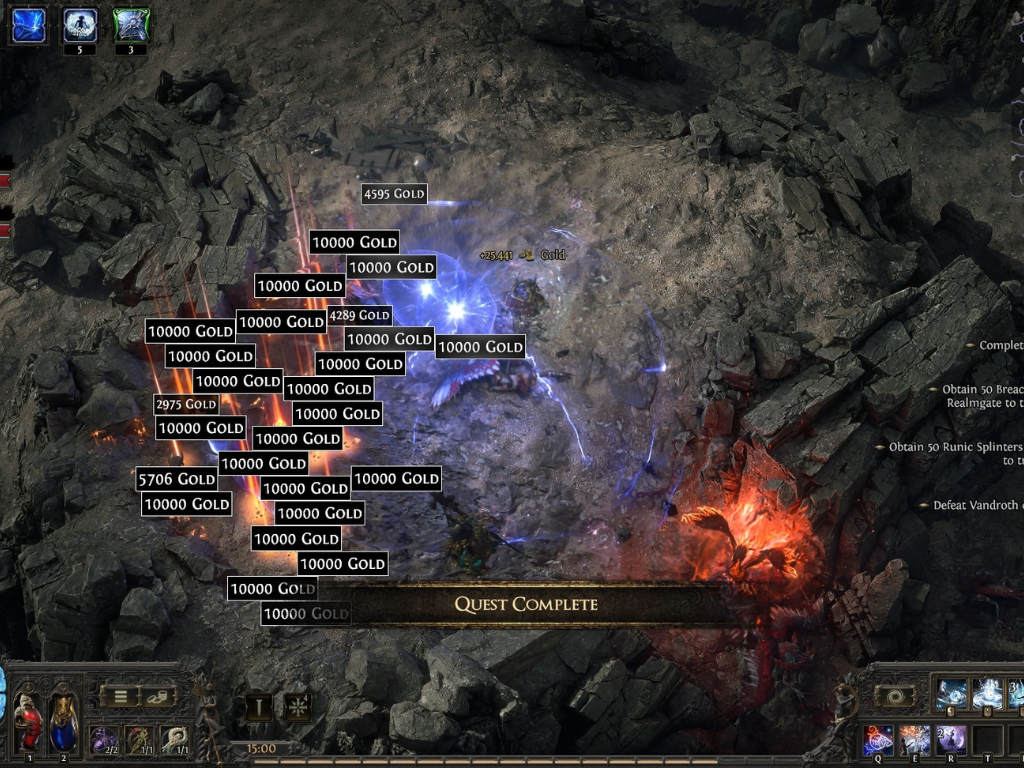
Path of Exile co-creator Chris Wilson believes online RPGs live or die by one thing: a fair economy. In a recent video on “Protecting Your Online RPG’s Economic Integrity,” Wilson shared a blunt message for developers building games with trading, loot, seasons, and leaderboards: protect the in-game economy first, even if it costs you short-term revenue.
Wilson, who helped found Grinding Gear Games and later left the studio toward the end of 2023, now runs an independent developer called Light Pattern. From that perspective, he argues that the strongest long-term strategy for any live-service RPG is ensuring that progression comes from playing well, investing time, and mastering the game—not from loopholes and shortcuts.
What “economic integrity” means in an online RPG
Wilson’s core idea is simple: players should earn loot and power through gameplay. A healthy economy requires a level playing field where no one can get ahead through exploits, cheating, or paying for advantages. When an online RPG allows unfair progress, it doesn’t just annoy players—it damages the value of everything in the game’s economy, from rare drops to crafting materials to leaderboard placements.
That becomes even more critical in seasonal ARPGs and other games that reset regularly. Each new season creates a fresh, short-term economy where players race to gear up, climb rankings, and stake their claim. In that kind of environment, even small integrity problems can snowball quickly. Wilson emphasizes that success should be skill-based and effort-based, not “purchased, botted, exploited, or obtained by socially engineering a studio’s customer support department.”
How he thinks developers should deal with cheating and exploits
Wilson’s proposed approach is stricter than the typical “ban and move on.” He suggests developers should go further—removing ill-gotten items and even deleting compromised accounts when necessary. The goal, in his view, is to actively clean the economy rather than leaving behind damage that continues to affect honest players long after bans are issued.
He also addresses what happens when something bigger goes wrong—an exploit or mistake that meaningfully disrupts the wider economy. In those cases, he favors rollbacks as a solution, paired with cosmetic compensation for affected players. The key detail is what he does not recommend: handing out items, boosts, or stat-affecting rewards that could further distort progression and trading.
Why pay-to-win can hurt a live-service RPG’s future
Wilson also touches on monetization, warning that pay-to-win systems may generate money quickly but tend to undermine the long-term health of an online RPG. When players believe the economy is tilted toward spending, trust erodes, engagement declines, and the game’s longevity suffers—especially in competitive seasonal formats where fairness is central to the experience.
A lesson learned the hard way: streamer queue skipping
In one of the most candid parts of the discussion, Wilson revisits a past decision he considers a mistake. During the launch of a major Path of Exile expansion a few years ago, heavy demand left thousands of players stuck in login queues—including paid streamers. Under pressure, he allowed those streamers to bypass the queue.
Looking back, Wilson says he failed to recognize the economic advantage that queue skipping would create. Getting into the game earlier isn’t just convenience in a seasonal ARPG—it can translate into real in-game power and market leverage, putting those players ahead simply because of real-world privilege. He says the criticism was warranted, and he immediately understood why it was unfair.
The bigger takeaway for online RPGs
Wilson’s message is a clear blueprint for developers building online RPGs with trading and seasonal resets: if players don’t believe the economy is protected, everything else becomes harder—retention, community trust, competitive integrity, and even monetization. Fair progression, strong anti-cheat enforcement, careful customer support policies, and non-intrusive compensation choices aren’t just “nice to have.” In his view, they’re the foundation of a successful online RPG economy.