Path of Exile co-creator Chris Wilson has come to Blizzard’s defense over Diablo II: Resurrected’s newly released $25 Reign of the Warlock DLC, saying the decision to place certain quality-of-life features behind a paid expansion may be less about squeezing extra revenue and more about protecting the legacy of one of gaming’s most influential action RPGs.
Diablo 2: Resurrected surprised longtime fans on 11 February 2026 with a brand-new DLC release timed to the Diablo franchise’s 30th anniversary. The update is notable for a major reason: Diablo 2 has received its first new class in around twenty-five years, a remarkable milestone for a game that originally launched back in June 2000 and helped define what modern action-RPG loot-and-level gameplay would become.
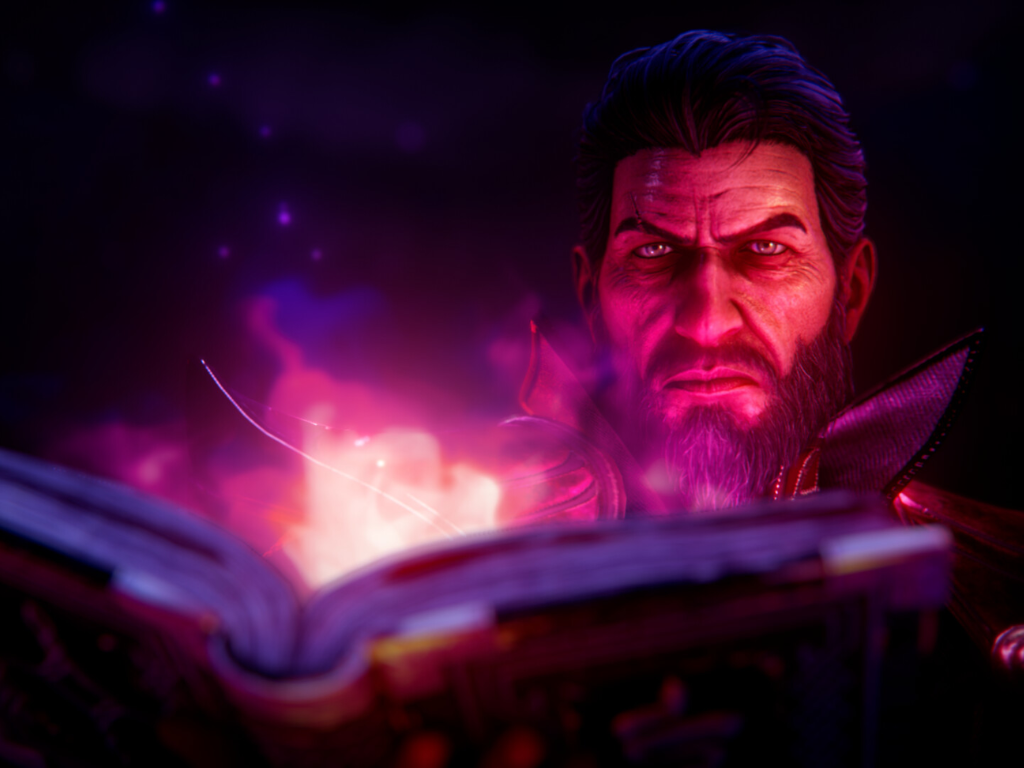
Reign of the Warlock isn’t a small add-on. For $25, players get access to the demon-summoning Warlock class, refreshed Terror Zones, a new pinnacle boss, and an overhauled endgame designed to expand what players can do after finishing the main experience. The DLC also arrived alongside the Diablo II: Resurrected – Infernal Edition on Steam that same day. That edition bundles the base Diablo II: Resurrected game, the Lord of Destruction content, and the Reign of the Warlock DLC for $39.99.
Still, the pricing has been a sticking point for part of the community. Many existing owners previously bought Diablo II: Resurrected for $39.99, and some weren’t happy to learn they’d need to pay an additional $25 to access the new expansion—especially because some of the new quality-of-life upgrades introduced with this era of updates remain tied to the paid DLC.
Wilson addressed the controversy in a YouTube video posted on 18 February, emphasizing just how delicate any changes to Diablo 2 can be. He described the game as a landmark release that effectively launched the action-RPG genre into the mainstream, noting how common it is to meet people who not only played Diablo 2, but remember it vividly from school, university, or teenage years.
According to Wilson, that history matters when deciding what should change—and how. He suggested Blizzard’s intent may be to keep an untouchable “museum-piece baseline” for the original experience, with modern conveniences and adjustments reserved for players opting into the new DLC era. In his view, separating those features isn’t automatically a cash grab; it can be interpreted as a sign that the developers recognize Diablo 2’s importance and want to preserve the core experience that so many players consider timeless.
Wilson also framed the approach as a form of respect: the original version remains intact for purists and nostalgia-driven veterans, while the DLC offers an optional path for players who want a refreshed endgame, a new class, and contemporary improvements without rewriting what Diablo 2 has always been.
Whether fans agree or not, Reign of the Warlock has undeniably reignited interest in Diablo II: Resurrected—bringing new discussion, new gameplay options, and a rare moment in which a classic action RPG receives meaningful new content decades after its debut.