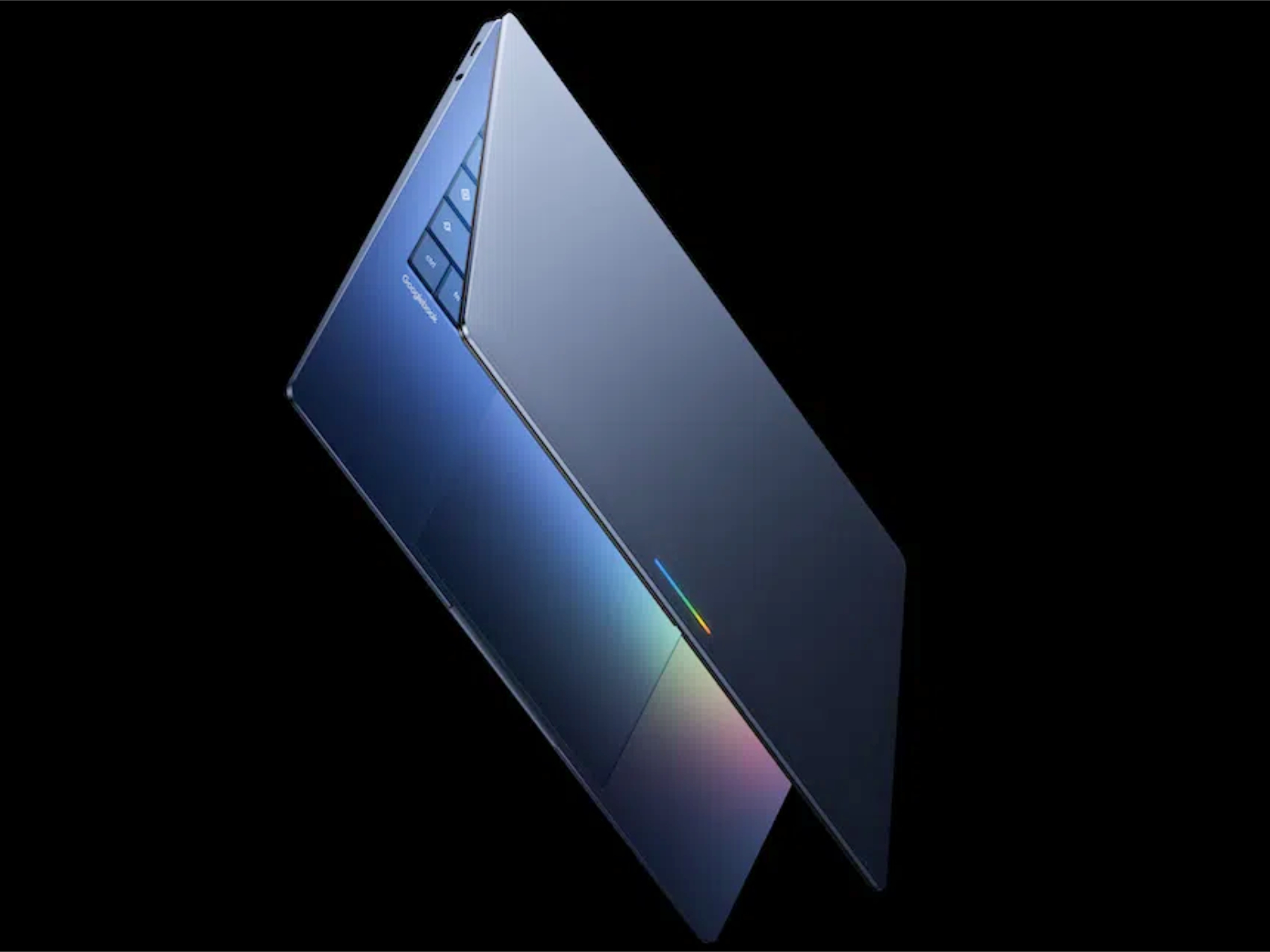
Qualcomm “Calypso” may not be a new Googlebook chip after all
The mystery surrounding Qualcomm’s “Calypso” codename may finally have a much simpler explanation than many expected. For weeks, the name has been tied to speculation about a future Googlebook or Chromebook-style device, with many assuming it could point to a brand-new Snapdragon processor built specifically for Google’s upcoming hardware.
Now, a fresh claim from leaker Longhorn, known online as @never_released, suggests that Calypso is not a separate chip at all. Instead, it is reportedly an internal alias for “Mahua,” the already-known 12-core Snapdragon X2 die.
That changes the story significantly. Rather than being a newly discovered Snapdragon platform, Calypso may simply be another internal name for silicon that Qualcomm has already defined and brought to market under existing Snapdragon X2 branding.
The Calypso codename first gained attention after appearing in Chromium Gerrit commits alongside a reference baseboard called “Mensa.” Because Chromium development is closely tied to ChromeOS hardware, the discovery quickly led to theories that Qualcomm was preparing a high-end Snapdragon chip for a future Googlebook device.
The speculation made sense at the time. The references suggested work on PC-class hardware, and the surrounding firmware details appeared to point toward a powerful Arm-based platform rather than a low-end Chromebook processor. That fueled expectations that Calypso could be a new Snapdragon chip designed to push Googlebook performance into premium laptop territory.
However, the latest information suggests the chip’s identity is less mysterious. If Calypso is indeed Mahua, then it belongs to Qualcomm’s Snapdragon X2 family rather than representing an unannounced standalone processor.
Mahua is known as the 12-core die positioned below “Glymur,” the larger 18-core design used for Snapdragon X2 Elite and Snapdragon X2 Elite Extreme models. The Mahua-based chip already appears in retail branding under names such as X2P-64-100, X2E-78-100, X2E-80-100, and X2E-84-100.
In other words, Calypso may not be a new product name, a secret Google-exclusive processor, or a next-generation Snapdragon platform. It may simply be one more internal label attached to a chip that already exists in Qualcomm’s Snapdragon X2 lineup.
That does not make the discovery unimportant. If a Googlebook or future ChromeOS device is being tested with Snapdragon X2-class hardware, it could still signal a major performance upgrade for ChromeOS laptops. Qualcomm’s newer Arm-based PC chips are designed to compete in the premium laptop space, offering strong efficiency, long battery life, and improved AI performance.
For Googlebook fans, the key takeaway is that the hardware may still be exciting, even if the codename is not as new as originally thought. A device based on a 12-core Snapdragon X2 chip could bring faster multitasking, better app performance, and more capable always-connected computing to Google’s laptop ecosystem.
The confusion also highlights how complicated chip codenames can become. Qualcomm often uses multiple internal names, die names, platform identifiers, and retail model numbers for the same family of processors. When those names appear in development files before public confirmation, it can be difficult to know whether they represent an entirely new chip or just another label for known hardware.
For now, Calypso appears to be less of a surprise new Snapdragon chip and more of a clue pointing toward Qualcomm’s existing Mahua silicon. If the claim proves accurate, the “new” Googlebook processor that sparked so much speculation was never really new at all.
Still, the bigger picture remains worth watching. Qualcomm’s Snapdragon X2 platform could play an important role in the next wave of ChromeOS and Googlebook devices, especially as laptop makers continue to focus on battery life, AI features, and thin-and-light designs. Calypso may not be the secret chip many expected, but its connection to Snapdragon X2 hardware could still make future Googlebook devices far more interesting.