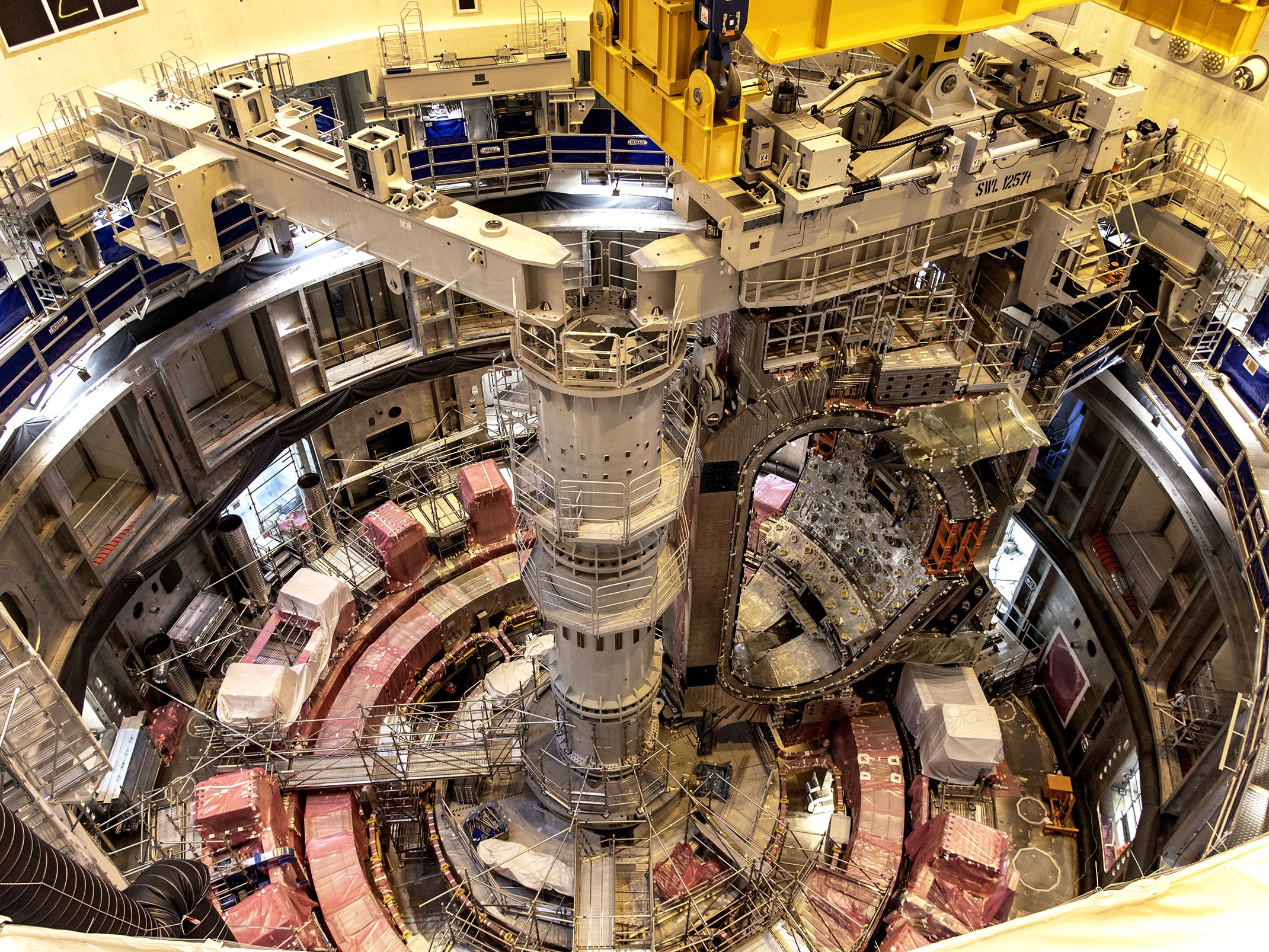
Google is making headlines by becoming the first company to sign a direct power-purchase agreement for fusion energy, stepping into a pioneering deal with Commonwealth Fusion Systems. This agreement secures 200 megawatts from the upcoming ARC plant in Virginia, which is set to eventually supply 400 megawatts—enough to power significant data center operations in one of the world’s most active server corridors. While financial details remain under wraps, the move spotlights the increasing intersection of AI workload demands and energy consumption.
Google’s sustainability report for 2024 revealed a striking increase in electricity use, amounting to 30.8 million megawatt-hours last year, doubling from 2020. Data centers alone accounted for 96 percent of this consumption. The challenge of expanding capacity while adhering to decarbonization goals is pushing tech giants toward innovative energy solutions.
Commonwealth Fusion Systems, an MIT spin-off established in 2018, is at the forefront with its tokamak design, utilizing high-temperature superconducting magnets for plasma confinement. Despite the progress, including a brief net-energy gain at Lawrence Livermore in 2022, no fusion project has yet achieved continuous “engineering break-even.” However, CFS plans to demonstrate commercial operations in the early 2030s, with ARC serving as both a testing ground and a revenue-generating entity.
Since investing in CFS in a 2021 funding round that amassed $1.8 billion, Google’s new power-offtake agreement strengthens their partnership. This market signal is expected to incentivize other fusion startups vying for corporate clients. Microsoft took a similar step in 2023, partnering with Helion Energy, showing that major cloud providers are prepared to back high-stakes energy innovations for long-term, zero-carbon electricity.
While fusion energy still faces significant challenges, such as sustaining plasma confinement and managing material durability under neutron bombardment, substantial corporate and public-sector interest indicates growing confidence in its potential. If successful, the ARC plant could revolutionize how the digital economy sources reliable and clean energy.