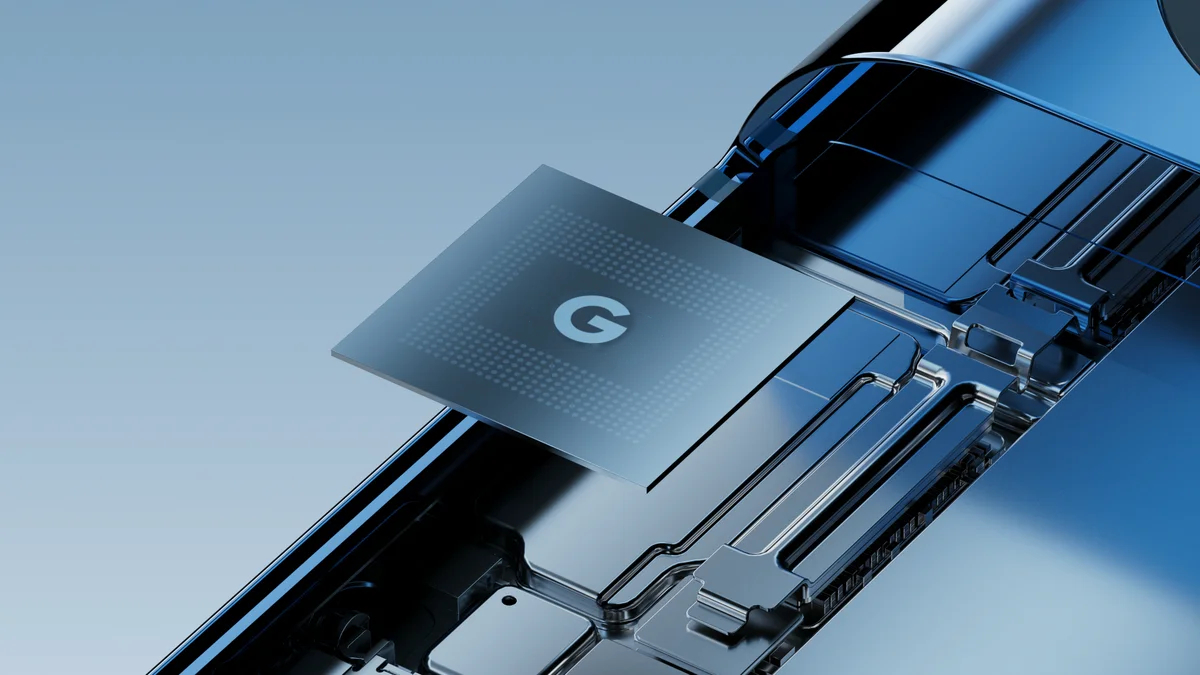
In a bid to power their forthcoming Pixel 10 and Pixel 10 Pro flagships, Google is reportedly making a strategic partnership to develop its Tensor G5 chipset. The technology company is set to follow in the footsteps of industry leaders such as AMD, Apple, NVIDIA, and Intel by employing the advanced 3 nm manufacturing process offered by Taiwan Semiconductor Manufacturing Company (TSMC).
Latest insights into Google’s chipset development suggest that the Tensor G5, Google’s next-generation processor, will leverage TSMC’s innovative 3 nm nodes. This move is significant as Apple has already tapped into this technology for its A17 Pro chip, which forms the core of the iPhone 15 Pro and iPhone 15 Pro Max. The transition to TSMC’s cutting-edge nodes is expected to not only boost performance but also enhance power efficiency, a key consideration for mobile devices.
Competitors like MediaTek and Qualcomm are also set to adopt TSMC’s 3 nm nodes for their upcoming processors, which will be in direct competition with the Tensor G5. This shift to TSMC is cemented by reports of Intel beginning mass production of its Lunar Lake processors leveraging TSMC’s N3B nodes.
The drive towards TSMC occurs amidst reports of Samsung Foundry facing challenges with their 3 nm process yields, in addition to the heat and power consumption of their nodes not being as efficient as those of TSMC. Industry sources suggest that the major attraction for TSMC’s production capabilities lies in its superior chip power efficiency at the forefront of manufacturing processes.
As the industry moves towards more power-conscious and performance-oriented chip architectures, Google’s partnership with TSMC could herald a new era for its Pixel line-up. The advanced 3 nm technology will not only enhance the user experience through improved battery life and smoother operations but also could reshape the competitive landscape of chipset manufacturing for mobile devices.
With each manufacturer vying for the fine balance of power efficiency and top-tier performance, Google’s upcoming Tensor G5 chipset is shaping up to be a significant leap forward in this high-stakes tech race. As the market anticipates the release of the Pixel 10 series, all eyes will be on how this partnership translates into tangible benefits for users and how it positions Google in the cut-throat smartphone market.
The increasing reliance on TSMC’s advanced nodes signals a trend that is set to dominate future developments in the semiconductor industry. As technology companies strive to deliver more sophisticated and energy-efficient devices, collaborations like that of Google and TSMC could very well dictate the pace of innovation in the times to come.