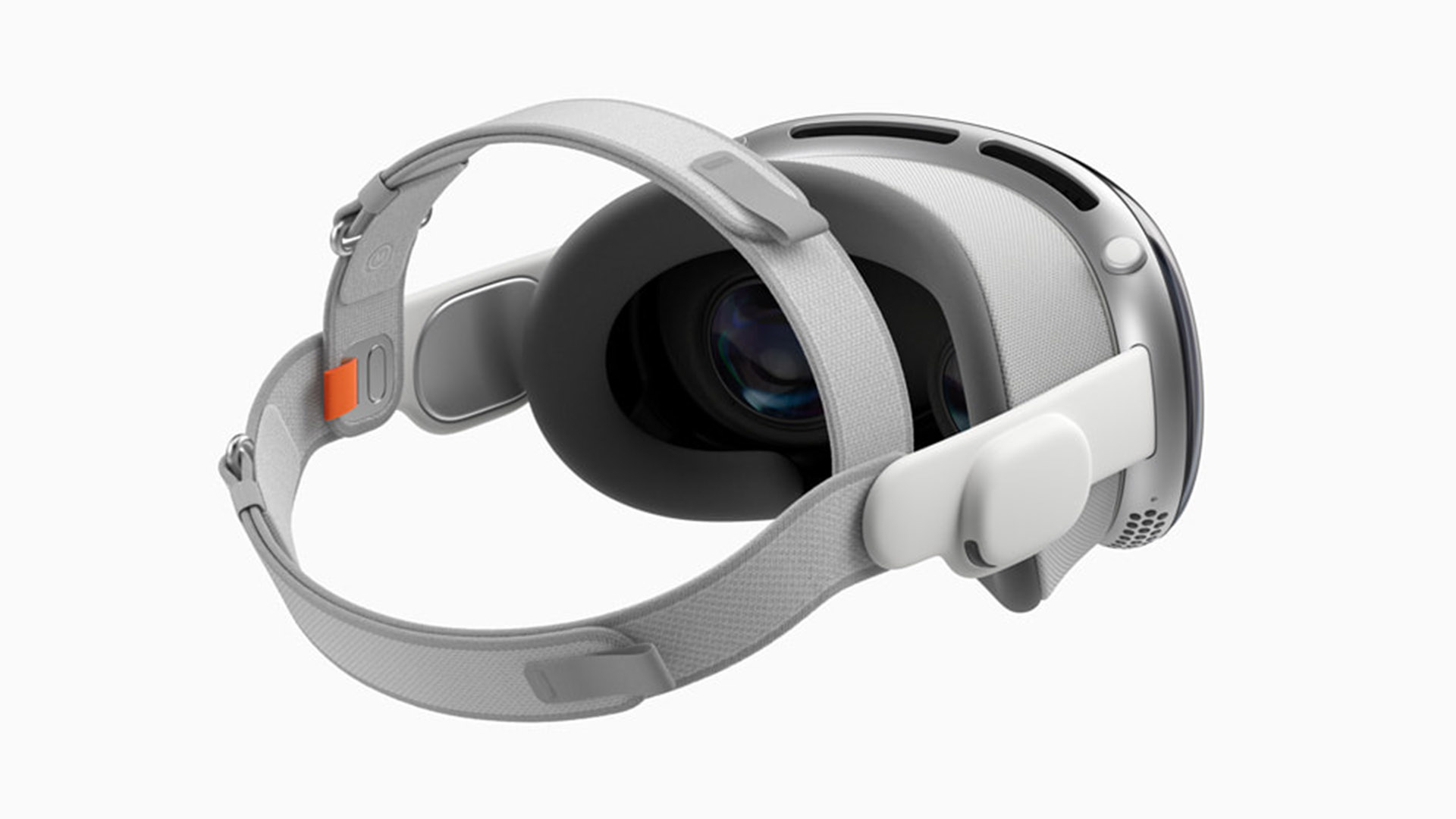
Apple is reportedly shifting its focus towards a more budget-friendly version of its advanced AR headset, anticipated for release towards the end of 2025. While this new iteration aims to be more accessible to the general consumer, recent reports suggest that this ‘affordable’ model won’t come cheap, possibly matching the price of Apple’s upscale iPhones.
The expected cost for this lower-priced Apple AR headset could go as high as $1,600, which aligns with the retail price of Apple’s highest specifications for the iPhone 15 Pro Max featuring a 1TB storage capacity. This price point means customers might be paying top dollar without gaining access to the full capabilities that the premium version offers, particularly in terms of visionOS functionalities.
The initial pricing of the first-generation Apple AR headset was $3,499, which likely influenced the adjusted shipment projections—from initial estimates of between 800,000 to 850,000 units down to 400,000 to 450,000 units. Part of this adjustment may stem from a pattern observed by analysts in consumer behavior, where the allure of the Apple AR headset wears off swiftly after a few uses. This suggests that the headset might not offer the same level of practicality and versatility as an iPhone or Mac, leading consumers to opt for products that provide more substantial functional value.
Despite being presented as more affordable, the new AR headset model will inevitably make compromises. Potential reductions could come through using fewer cameras, the exclusion of high-end features like EyeSight technology, a lower quality display, and utilizing an iPhone-grade processing chip rather than one designed for Mac. These trade-offs are likely to influence consumer perception, especially when the price remains in the ballpark of a high-end iPhone or a moderately equipped MacBook Air.
An essential question arises for potential buyers: given the substantial investment, will they opt for more traditional and useful devices, or take a chance on an innovative but less established product with a risk of lower utility and possible buyer’s remorse?
The industry will closely monitor this scenario to see if Apple can meaningfully expand productivity features, potentially positioning the headset as a viable alternative to a Mac, albeit with concerns that it could impact other product lines like the Mac and iPad.
As developments continue, consumers and analysts alike will be watching how Apple balances innovation with accessibility, and whether the upcoming AR device will find its place in the competitive tech market.


