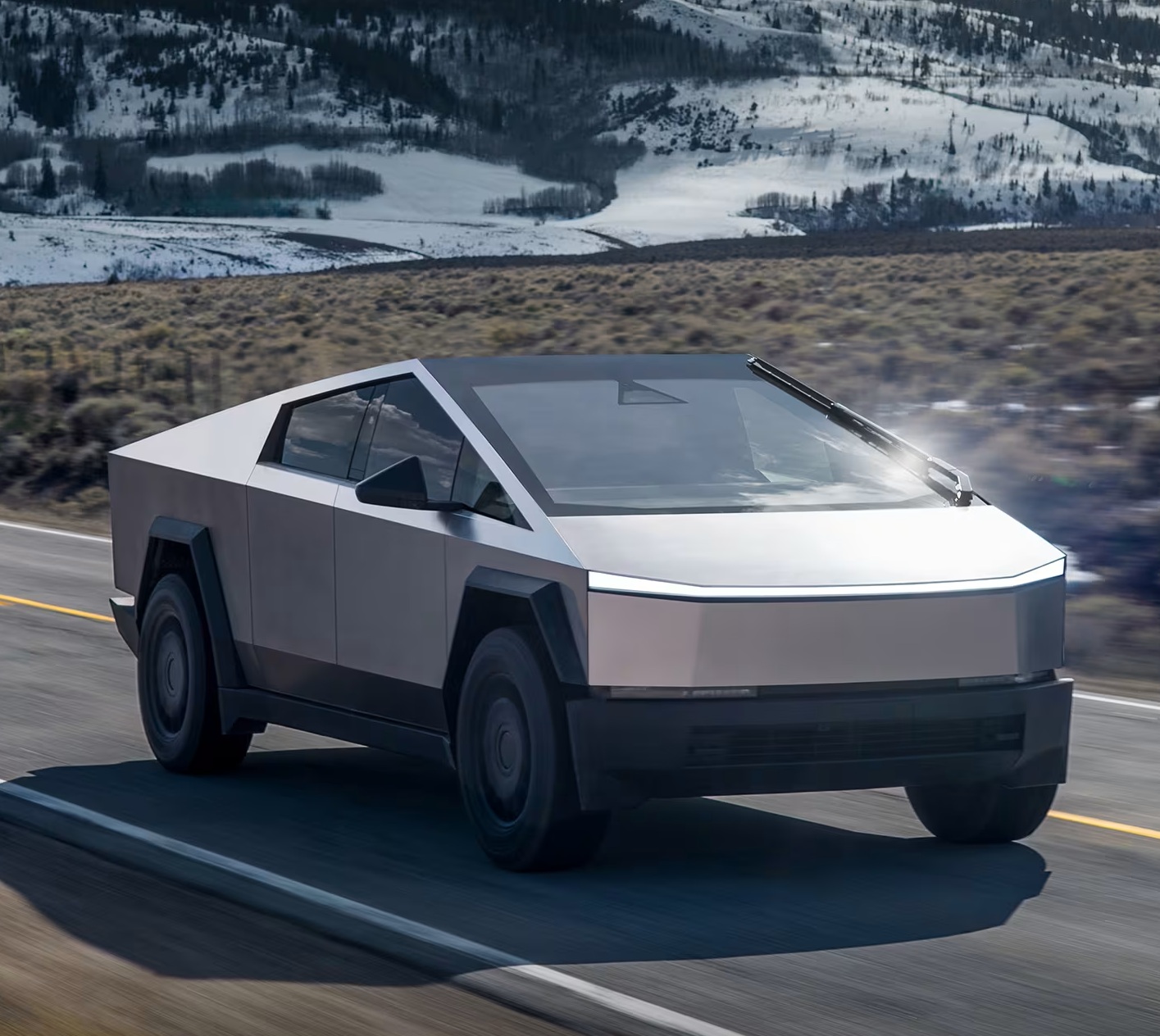
Germany has refused road approval for the Tesla Cybertruck, ruling that the electric pickup violates European Union safety standards. The decision came to light after U.S. service members stationed in the country attempted to obtain permission to operate the vehicle locally.
Regulators flagged the Cybertruck for significant passive safety concerns tied to its design. The truck’s sharp, angular stainless-steel exterior is considered hazardous to pedestrians, cyclists, and motorcyclists, and its substantial curb weight adds to the risk profile. Under EU rules, vehicles exceeding 3.5 tons must incorporate speed limiters and avoid sharp exterior edges—requirements the Cybertruck does not meet in its current form.
Some U.S. military personnel sought an exemption under the USAREUR-AF framework, an arrangement that can allow certain non–EU-approved vehicles to be used in Europe. The German Federal Ministry of Transport rejected the request, stating the Cybertruck deviates too far from legal standards to warrant an individual exemption. The agency also noted the truck’s striking appearance would make it especially conspicuous in public, undermining the intent of such exemptions.
Tesla has been gradually widening availability of the Cybertruck in select markets, but Germany’s stance underscores the challenges of meeting Europe’s stringent safety and pedestrian-protection regulations. Without design adjustments or added equipment—such as compliant speed-limiting systems and bodywork that addresses external-projection rules—the Cybertruck is unlikely to see public-road use in Germany.
For prospective owners and enthusiasts in the country, the takeaway is clear: until Tesla adapts the vehicle to EU requirements and secures type approval, the Cybertruck will remain off German roads, and military or import workarounds will not apply.