Gen Z’s Love for Cheap Retro Casio Watches Is Fueling a Major Comeback
Casio is enjoying a surprising financial comeback, and the reason is not just its famous G-Shock lineup. The real momentum is coming from the company’s affordable retro watches, the slim and simple models that many people once associated with the 1980s, 1990s, and early 2000s.
According to Casio’s fiscal year 2026 earnings, the company reported net profit of ¥18.2 billion, or about $115 million. That is more than double the previous year’s result. Revenue also climbed 5.5% to ¥276.3 billion, around $1.74 billion, while operating profit surged 62% to ¥23.1 billion, roughly $146 million.
For a brand that was facing weaker performance just a couple of years ago, these numbers mark a strong turnaround. What makes the story even more interesting is that some of Casio’s cheapest and oldest-looking watches are now among the products helping drive that growth.
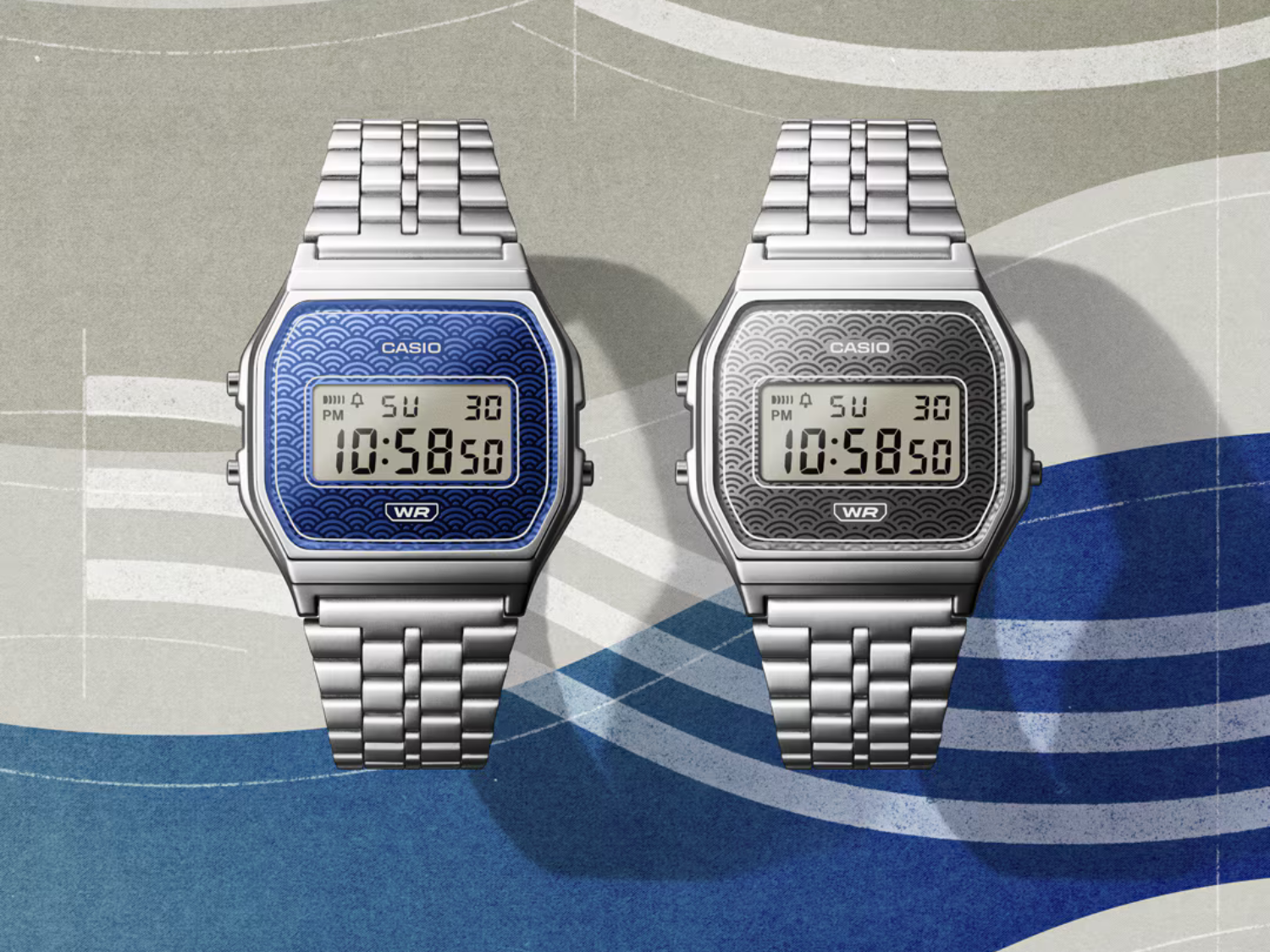
Models such as the Casio A159 and MTP-1302 have become popular again, especially with younger buyers who are embracing vintage fashion, minimalist accessories, and nostalgic tech-inspired style. These watches are thin, lightweight, easy to wear, and usually priced far below luxury or smartwatch alternatives, often sitting in the affordable $50 to $70 range.
The appeal is easy to understand. While modern smartwatches focus on apps, notifications, health tracking, and screens, Casio’s classic digital and analog watches offer the opposite experience. They are simple, durable, inexpensive, and instantly recognizable. For many Gen Z shoppers, that simplicity is part of the charm.
Casio has also leaned into the retro trend with themed vintage releases and refreshed designs that feel both old-school and stylish. The company’s social media strategy in South Korea reportedly helped boost interest in these watches, creating demand that spread across other markets. Once the retro Casio look gained traction online, it became more than just a budget watch choice. It turned into a fashion statement.
The broader watch division is now a major strength for the company. Casio’s watch business generated ¥185 billion, or about $1.17 billion, with an operating margin of 14.7%. That is a healthy result and shows that demand is not limited to one model or one region.
G-Shock remains a key part of Casio’s watch identity and continues to perform well. However, demand became so strong in the third quarter that some popular G-Shock models were out of stock in the fourth quarter. Casio increased production to respond, but the extra supply only partially covered demand. While shortages can create challenges, they also show that consumer interest in the brand remains strong.
Looking ahead, Casio expects revenue to reach ¥295 billion, or around $1.86 billion, in the current year. The company is also aiming for an operating margin of 11.1% by 2029.
Casio’s success highlights a wider shift in consumer taste. Younger buyers are not only chasing the newest technology; they are also looking for products with personality, nostalgia, and value. Affordable retro watches fit perfectly into that trend.
In a market crowded with expensive wearables and premium accessories, Casio has found renewed strength by embracing what made its watches popular in the first place: practical design, reliable performance, and an unmistakable vintage look. For Gen Z, the cheapest Casio watches are not outdated. They are cool again.