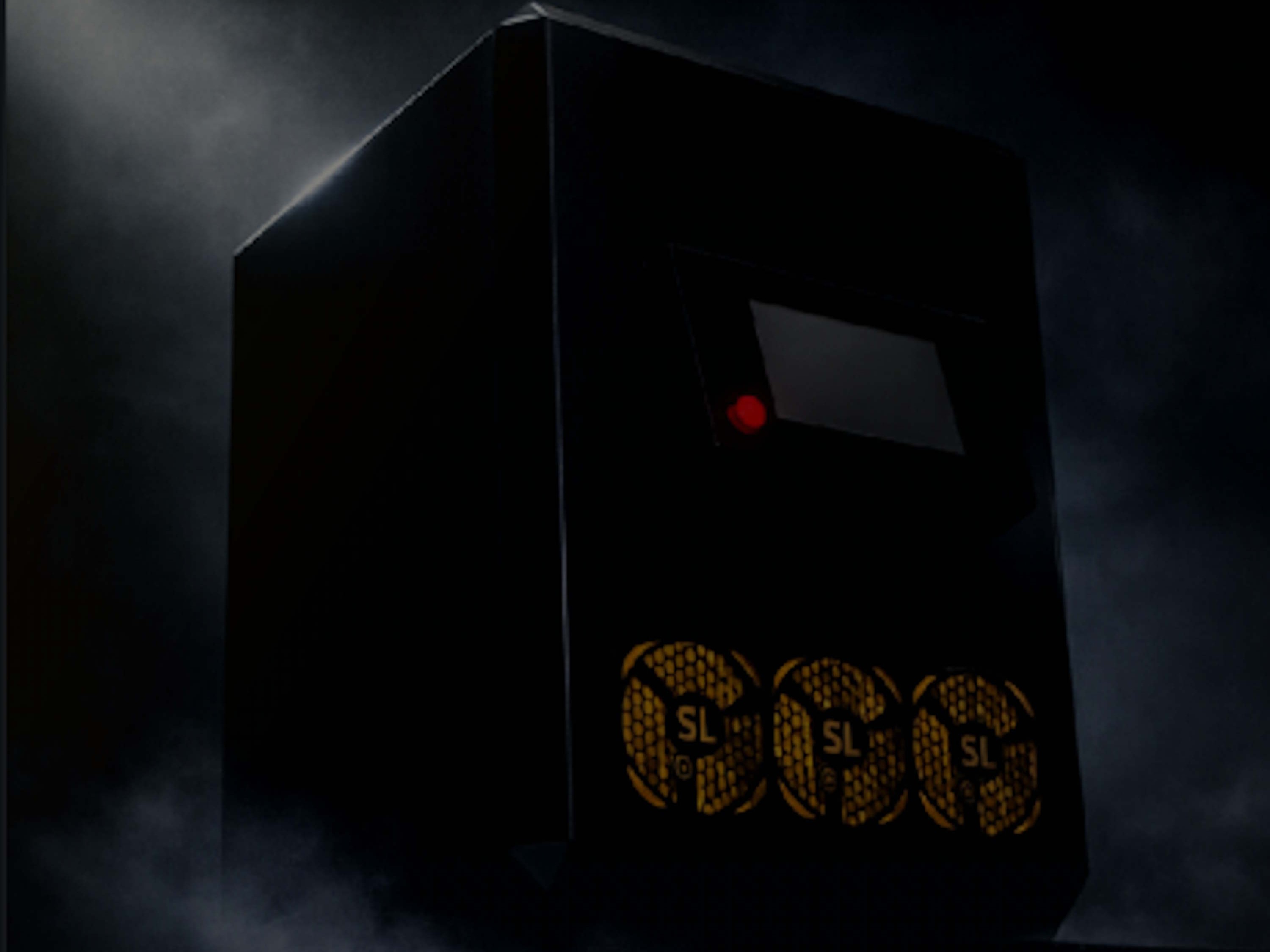
Scrap Labs is stepping beyond the usual plastic-focused world of desktop 3D printing with Scrap 1, a metal 3D printer designed to produce durable, high-strength parts from a range of industrial materials. Instead of limiting users to standard filaments, this system is built to work with various metals and alloys—opening the door to tougher prototypes, complex geometries, and real-world functional components that need to withstand stress, heat, and wear.
According to the manufacturer, Scrap 1 can produce parts using stainless steel, tool steel, and copper and nickel alloys. It also supports cobalt-chrome alloys, a material widely used in the medical field thanks to its strength and corrosion resistance. With compatibility like that, the printer is positioned for serious applications, including manufacturing replacement parts for heavy-duty machinery, creating custom tooling, and producing small, robust components where plastic simply won’t hold up.
Rather than using a conventional hot end and heating element to melt filament, Scrap 1 relies on a 200-watt laser operating at 915 nm. The printing method is closer to industrial metal additive manufacturing than hobbyist-style extrusion: it selectively sinters metal powder inside a build chamber. This approach is what makes metal and high-performance alloys possible, and it’s also why Scrap 1 is being presented as a professional-grade machine rather than a casual desktop printer.
In terms of precision, Scrap Labs lists layer thicknesses from 20 to 100 microns, with a laser focus of 0.135 mm and no drift during printing. Those figures are important for anyone who cares about detail, surface quality, and consistent tolerances—especially when producing small mechanical parts or intricate shapes that need to fit cleanly with existing assemblies.
The printer itself measures 43 × 50 × 57 cm (16.9 × 19.7 × 22.4 inches) and weighs 30 kg, making it compact enough for workshops, labs, and engineering spaces without requiring a massive industrial footprint. The tradeoff is build volume: Scrap 1 is limited to 100 × 100 × 100 mm (3.9 × 3.9 × 3.9 inches). That makes it best suited for smaller components—think brackets, couplers, mounts, tooling inserts, medical prototypes, and other dense, high-value parts where metal strength matters more than size.
Scrap Labs also highlights ease of use, and the printer supports common slicing workflows, including compatibility with PrusaSlicer. That’s a notable point for teams that want a more familiar software pipeline while stepping up to metal printing.
Pricing starts at $17,990, firmly placing Scrap 1 in the professional metal 3D printer category. For engineering teams, R&D labs, medical research environments, and machine shops focused on compact, high-strength production, Scrap 1 aims to offer a more accessible path into metal additive manufacturing—without pretending it’s a low-cost hobby device.