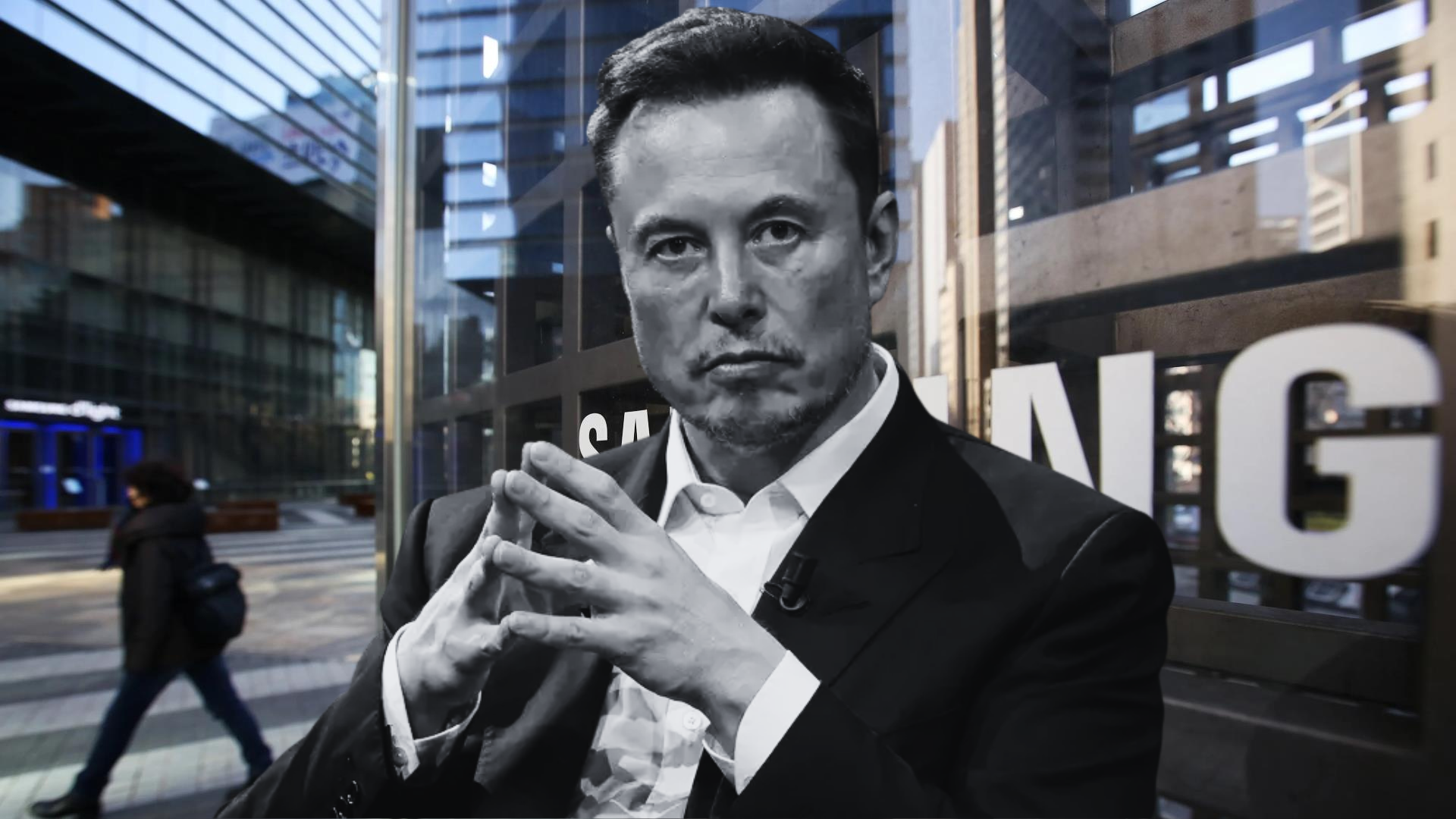
Samsung may be on the verge of securing another high-profile chip deal, this time tied to Elon Musk’s xAI and its first custom AI accelerator. While nothing is confirmed, a report out of Korea suggests the company is being considered to manufacture xAI’s inaugural ASIC chip, potentially extending a relationship that already includes a massive order for Tesla.
Momentum has been building for Samsung’s foundry business. The company reportedly won a contract worth around $16.5 billion to produce Tesla’s AI6 chips, a deal that hints at deeper collaboration over time. Samsung has also gained traction with other top-tier clients, including orders for advanced image sensors for Apple, with production planned in the US. Together, these wins signal growing confidence from external customers in Samsung’s ability to deliver at the cutting edge.
According to the rumor, Samsung’s broader strategy focuses on a foundry revival centered around its 2nm roadmap. The company is said to be making steady progress with its SF2 technologies and is preparing to bring 2nm production to its Taylor facility in the United States in the coming years. That US footprint could be a strong selling point for customers looking to source advanced chips domestically. Musk has recently hinted that the Tesla agreement is only a starting point, implying the scale of work with Samsung Foundry could grow beyond initial estimates.
There are also signs that xAI is serious about building custom silicon. The company recently listed a role for a custom silicon developer, a clear signal that a proprietary ASIC is in the works. For any would-be manufacturing partner, the deciding factor is likely to be the maturity and performance of the 2nm process. If Samsung’s 2nm node delivers as planned, it would bolster its case to win xAI’s business.
Still, all of this remains speculative. The potential xAI order has not been confirmed and should be treated as a developing story. What’s clear is that a partnership would be a major milestone for both sides: xAI would gain a path to purpose-built AI hardware, and Samsung would strengthen its position in the race to produce next-generation AI chips on US soil.
If the deal materializes, it would underscore Samsung’s resurgence in the foundry market, accelerate its 2nm production plans, and further validate its strategy of courting marquee clients across AI, automotive, and imaging. For now, the key indicators to watch are Samsung’s 2nm ramp, any new details from xAI’s hiring and hardware roadmap, and whether the momentum from the Tesla AI6 program translates into another flagship win.