A new real-world study is challenging one of the biggest selling points of plug-in hybrid electric vehicles: the promise of extremely low fuel use. While official figures from many automakers suggest some PHEVs can run on less than a gallon of fuel per 100 miles, fresh testing indicates those numbers often don’t match how people actually drive and charge.
Researchers at Fraunhofer, a well-known applied research organization, examined plug-in hybrids across the 2021 to 2023 model years to see what happens outside idealized test cycles. Their conclusion is straightforward: in everyday use, the gasoline engine tends to switch on far more frequently than the official ratings imply, and once it’s running, fuel consumption can be much higher than advertised.
Instead of the very low consumption often claimed in manufacturer specifications—sometimes suggesting as little as 1 to 2 liters per 100 km—Fraunhofer found average real-world fuel use closer to about 1.5 gallons per 100 miles. In other words, fuel consumption can be roughly three times higher than the numbers promoted in official documentation.
That gap matters because it changes where plug-in hybrids sit in the efficiency landscape. If a PHEV is using substantially more fuel than expected, its real-world advantage over a conventional hybrid can shrink dramatically—especially for drivers who don’t plug in regularly or who rack up longer trips where the gas engine does more of the work.
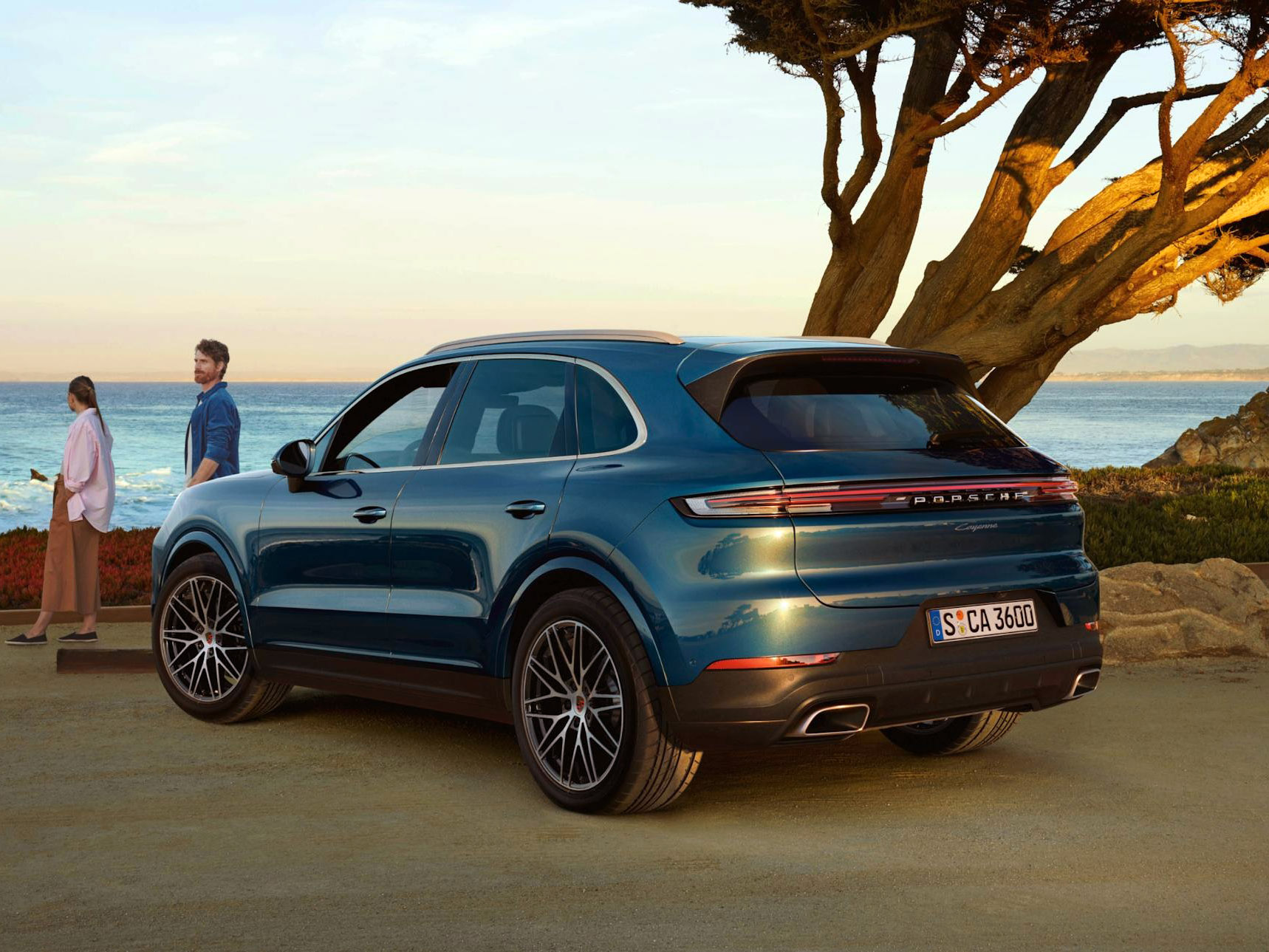
The study also highlights that not all plug-in hybrids perform the same. Brands from Asia, including Toyota and Kia, were among the stronger performers in matching claimed efficiency. Several more affordable models—such as smaller-engine vehicles from Ford and Renault—also tended to land closer to their official fuel economy figures. On the other end of the spectrum, higher-powered plug-in hybrids were the biggest outliers. Powerful models from Porsche were singled out as particularly fuel-hungry in typical use, averaging around 7 liters per 100 km.
Porsche responded by noting its efficiency tests were conducted according to legal requirements, and suggested that different driving and usage patterns may explain why real-world consumption climbed so far above the official values.
At the heart of the issue is how plug-in hybrid emissions and fuel economy are tested in the first place. Laboratory cycles often assume frequent charging and relatively short trips—conditions that maximize electric driving and minimize gasoline engine use. But as Fraunhofer researcher Patrick Plötz explained, many drivers don’t charge every day, and many travel farther than the test assumptions. When that happens, the gasoline engine runs more often, pushing average fuel consumption several times higher than the official numbers.
The authors argue these findings should spark changes in how plug-in hybrids are evaluated for emissions and efficiency certification, so official ratings better reflect real consumer driving behavior. For shoppers considering a plug-in hybrid SUV or sedan, the takeaway is clear: the best results depend heavily on charging habits, trip length, and how often the vehicle can realistically stay in electric mode.