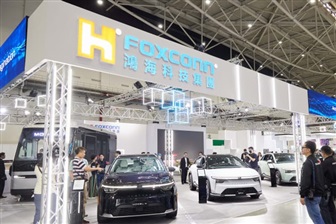
Foxconn is pushing deeper into the electric vehicle industry, and its latest moves suggest the global EV supply chain could be heading for a shake-up. Known worldwide for large-scale electronics manufacturing, the Taiwanese company is now expanding its EV strategy in ways that could influence costs, sourcing, and production speed for automakers across multiple markets.
At the center of Foxconn’s updated EV push is a stronger focus on vertical integration. Instead of relying heavily on outside suppliers for critical components, the company is scaling up in-house capabilities, including batteries. In the EV world, batteries are one of the biggest cost drivers and one of the most sensitive parts of the supply chain, tied to raw materials, manufacturing capacity, and shifting trade policies. By bringing more of this work under its own roof, Foxconn is positioning itself to reduce bottlenecks, improve pricing control, and offer automakers a more predictable production pipeline.
Foxconn is also broadening its lineup with new vehicle models, signaling it wants to be more than a behind-the-scenes supplier. This matters because the EV market is getting more competitive every year, with customers expecting better range, smarter features, and lower prices. More models typically means Foxconn is aiming to serve multiple segments of the market, from practical daily-use vehicles to commercial and fleet-focused options, while also giving partners more choices for different regions.
Another key element of the plan is global production flexibility. Foxconn’s manufacturing strength has always been its ability to operate at scale and adapt quickly, and it appears the company wants to apply that same playbook to EVs. In today’s market, where automakers face pressure to localize production, navigate tariffs, and shorten delivery times, flexible global manufacturing can be a major advantage. It allows production to shift depending on demand, policy changes, and component availability, which can help stabilize both pricing and supply.
The bigger takeaway is what this could mean for the industry as a whole. If Foxconn can successfully combine in-house batteries, a growing range of EV models, and adaptable production across regions, it could offer automakers a streamlined alternative to the traditional, highly fragmented automotive supply chain. That could translate into faster development cycles, fewer supplier-related delays, and potentially lower costs over time—especially as EV adoption grows and price competition intensifies.
Foxconn’s expanded EV strategy is a clear signal that it wants a larger role in the future of transportation. For consumers, the long-term impact could be more competitively priced electric vehicles and quicker access to new models. For automakers and suppliers, it may mean a new kind of manufacturing partner with the scale and integration to influence how EVs are built and delivered worldwide.