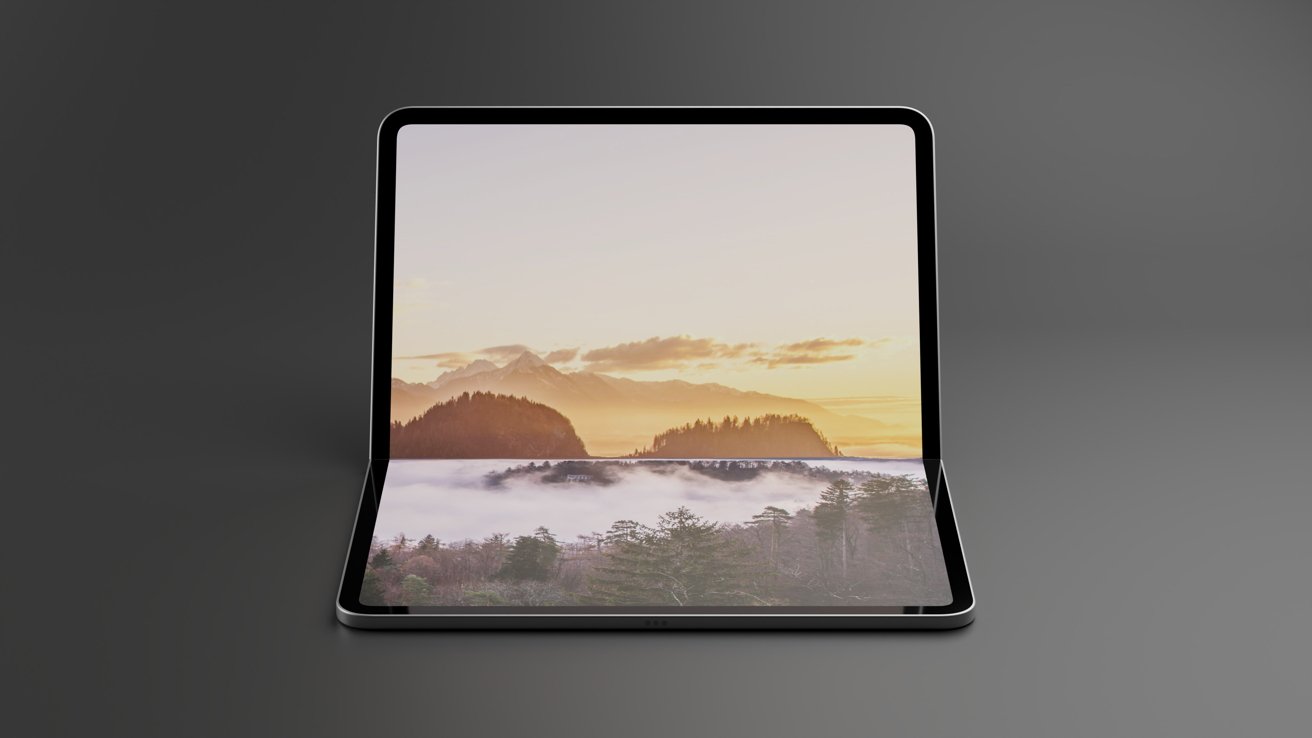
Apple’s tablet business still commands the largest global market share, but the category hasn’t moved much in years. Tablets are typically kept as secondary devices and replaced far less often than smartphones. When buyers have to choose between a pricey iPad and an iPhone, the phone usually wins—especially as premium tablets keep climbing in price.
That backdrop helps explain a new forecast that Apple’s first foldable iPad won’t arrive until 2028—and even then, it may be a niche product. According to analyst Ming-Chi Kuo, the device’s use of Ultra-Thin Glass (UTG) is a major hurdle. UTG promises a smoother, more glass-like feel than plastic films on foldables, but it’s expensive and complex to make at tablet size. The report points to GIS and Corning as partners on UTG development and production.
The problem is durability and process complexity. UTG is highly prone to micro-cracks, so every step—cutting, edge treatment, inspection, packaging, and shipping—must be more rigorous. That back-end processing can cost two to four times more than traditional smartphone cover glass. Scale that up to a larger tablet panel and the price climbs further. In short, a foldable iPad would be costly to build and, inevitably, expensive to buy.
Because of those economics, shipment expectations are modest. The foldable iPad is currently projected at just 500,000 to 1 million units in its launch year. By contrast, a foldable iPhone could be a far bigger commercial bet, with first-year shipments estimated around 8–10 million units. If you’re Apple and your phones already sell in the tens of millions, prioritizing a foldable iPhone over a folding iPad is the clearer path to scale and profit.
There’s still time for plans to evolve. A 2028 window gives Apple room to push UTG costs down, improve durability, and refine the supply chain. But if profitability doesn’t pencil out, Apple could slow-roll or even shelve the foldable iPad altogether. For now, the most realistic expectation is a cautious debut aimed at enthusiasts, while a foldable iPhone—if and when it arrives—takes the lead as Apple’s first mainstream foldable.