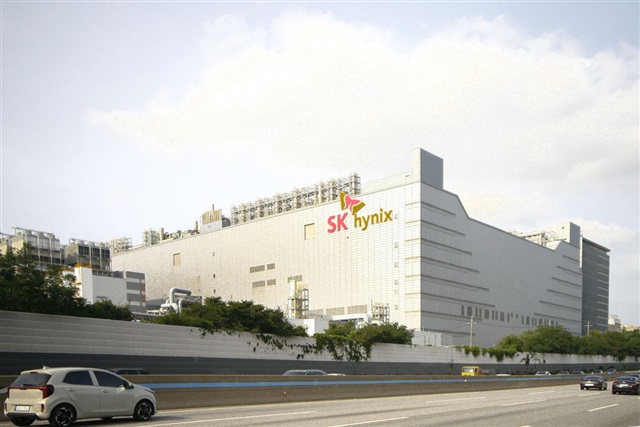
South Korea Orders Safety Inspections at 25 Semiconductor Plants After Fluorine Gas Leaks
South Korea’s Ministry of Employment and Labor has begun chemical safety inspections at 25 semiconductor manufacturing sites following a series of fluorine gas leaks at chip plants. The inspections include facilities operated by major memory chipmaker SK Hynix, as authorities move to strengthen workplace safety and prevent further industrial accidents.
The decision comes amid growing concern over hazardous chemical handling in the semiconductor industry, where gases such as fluorine are used in advanced chip production processes. While essential to manufacturing, fluorine can pose serious health and safety risks if it leaks or is not properly controlled.
Officials are expected to review how semiconductor companies store, manage, and monitor dangerous chemicals inside their facilities. The inspections will likely focus on leak prevention systems, emergency response procedures, worker protection measures, and compliance with South Korea’s industrial safety regulations.
The semiconductor sector is one of South Korea’s most important industries, supporting global supply chains for memory chips, processors, and other electronic components. However, the recent leaks have highlighted the risks faced by workers in high-tech manufacturing environments, where even small chemical incidents can raise major safety concerns.
By launching inspections across 25 chip-related manufacturers, the labor ministry appears to be taking a broader approach rather than focusing on a single company or incident. The goal is to identify possible weaknesses before they lead to more serious accidents.
SK Hynix, one of the world’s leading semiconductor producers, is among the companies included in the inspection campaign. The company plays a key role in the global memory market, making any safety issue at its production sites a matter of national and international interest.
The inspections are also expected to increase pressure on semiconductor manufacturers to improve transparency and strengthen internal safety standards. As chip demand continues to grow, regulators are likely to pay closer attention to whether rapid production and facility expansion are being matched by proper safety management.
Chemical safety remains a critical issue for the semiconductor industry, especially as manufacturing processes become more complex. South Korea’s latest inspection drive signals that authorities are prioritizing worker protection and accident prevention at a time when the country’s chip sector remains vital to the global technology economy.


