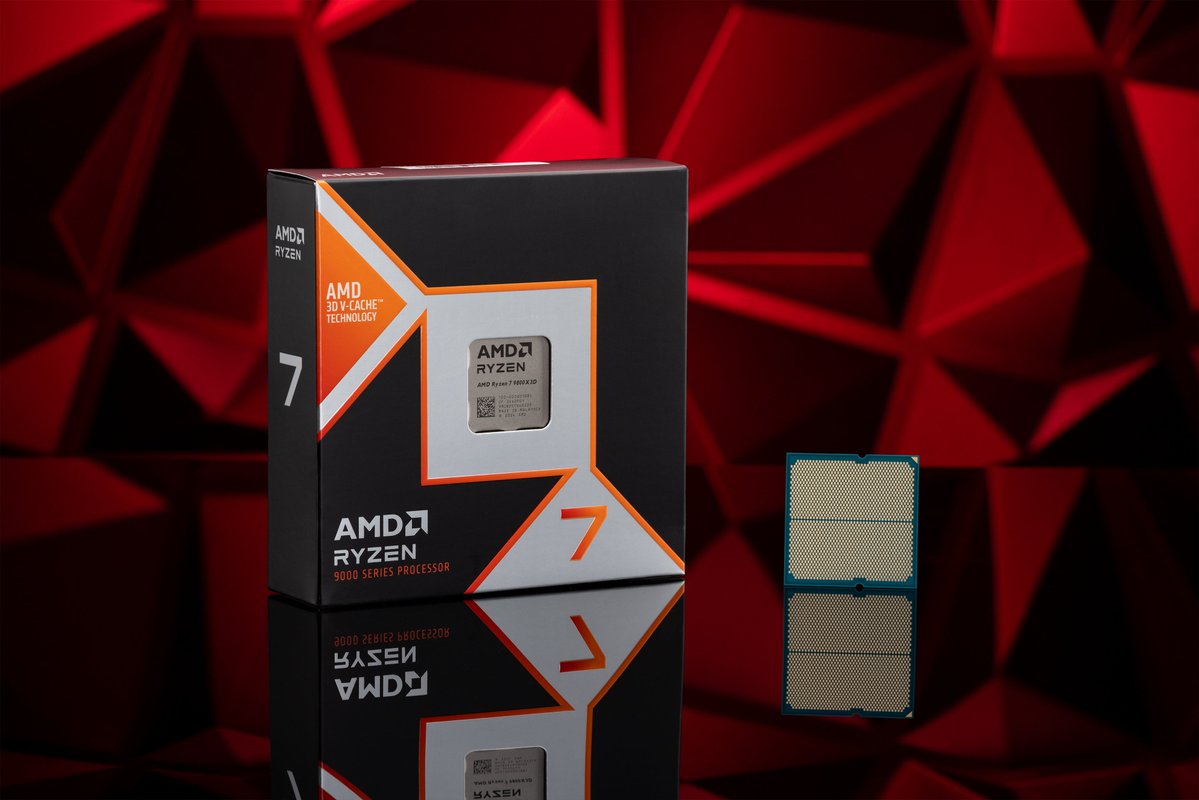
The buzz surrounding AMD’s Ryzen 7 9800X3D is undeniable, making it a magnet for counterfeiters. This trend, particularly noticeable in Chinese markets, sees individuals peddling fake CPUs—a scheme tailored to exploit both the high demand and the inexperience of some buyers.
Counterfeit CPUs aren’t a new phenomenon; they often surface when a particular model gains popularity and scarcity, enticing scammers to offer what seems like unbeatable deals. Recent insights from Uniko Hardware indicate that there is a significant uptick in repackaged CPUs in China. Con artists are allegedly altering key information on the IHS (Integrated Heat Spreader) to deceive customers into thinking they’re purchasing an authentic Ryzen 7 9800X3D, when in reality, they’re getting a completely different SKU.
MSI China has issued a warning in response to this trend, especially highlighting the need for vigilance when returning or handling malfunctioning CPUs. They’ve advised examining any discrepancies between the cover and the PCB (Printed Circuit Board) and contacting authorities promptly to prevent financial loss.
One particularly revealing case involved a complaint regarding a malfunctioning Ryzen 7 9800X3D. Upon investigation, it became apparent that the product was bogus. The PCB numbers did not align with official Ryzen 7 9800X3D specifications, and there was a noticeable difference in PCB coloration, further confirming the counterfeit nature.
Fraudulent schemes like these often succeed because the listings for these fake products bear an uncanny resemblance to legitimate ones. This can easily trap unsuspecting consumers. To protect yourself, consider purchasing from trusted and reputable retailers, ideally at physical locations where products can be closely inspected. When buying online, do so from vendors with excellent reviews and avoid listings that appear suspicious or too good to be true. By taking these precautions, you can safeguard against falling victim to these deceptive practices.