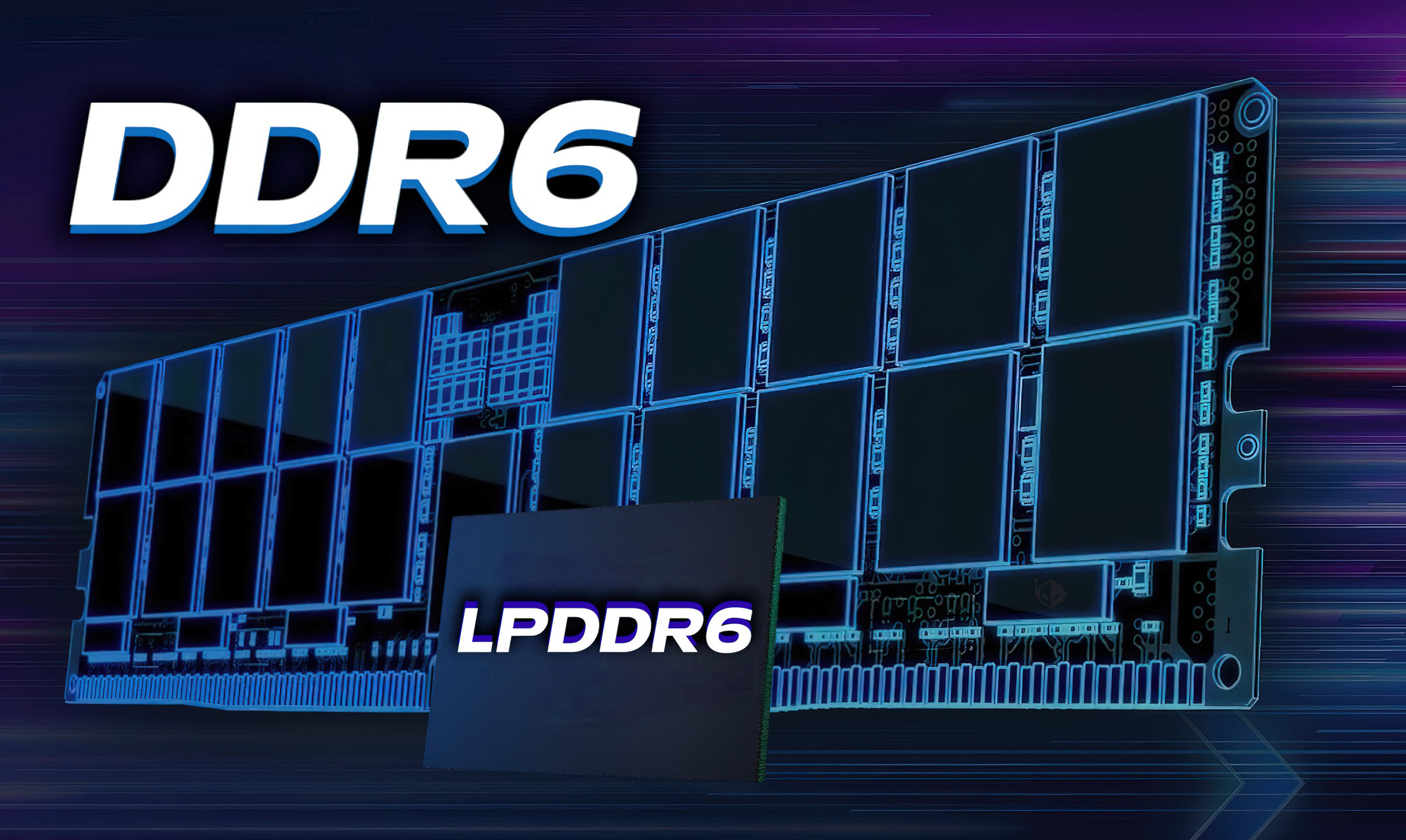
As technology marches forward, so does the progress in computer memory standards. The latest developments in dynamic random-access memory (DRAM) have brought us to the cusp of embracing DDR6 and LPDDR6, promising data transfer speeds that could revolutionize the performance of our future devices.
What to Expect from DDR6 and LPDDR6
The world of computer memory is buzzing with anticipation for the introduction of DDR6 and LPDDR6. These upcoming memory modules bring forth incredible speed improvements, with LPDDR6 aiming to replace the current LPDDR5 and related variants that have been in the marketplace for nearly five years. Companies such as Samsung and Micron have already provided a glimpse into the future with their current offerings, showcasing impressive transfer speeds.
DDR6 is slated to start with initial speeds of 8.8 Gbps but will not stop there, with projections suggesting it could reach staggering speeds of up to 17.6 Gbps, and possibly extend even further to 21 Gbps. This represents a monumental leap compared to the fastest DDR5 memory DIMMs currently available, which max out around 9000 MT/s, making DDR6 poised to easily shatter current transfer rate barriers without the need for overclocking.
The Arrival of CAMM2 and its Impact on the PC landscape
A major development alongside DDR6 and LPDDR6 is the introduction of the CAMM2 memory standard, aimed at desktop PCs. Memory titans like Micron, Samsung, SK hynix, and Longsys have thrown their weight behind CAMM2. The standard seeks to address issues related to upgradeability, repairability, and power consumption that are commonly associated with traditional SO-DIMM and DIMM memory modules.
CAMM2 is currently based on DDR5, LPDDR5, and LPDDR5X standards, featuring up to 256 GB capacities. With the next-gen LPDDR6 CAMM2 in the pipeline, we can expect even faster speeds and design improvements such as the removal of screws, a necessity in current models.
The future of CAMM2 points towards a horizontal housing for DIMMs, enabling dual-channel memory solutions that are more efficient and capacitive for both desktop and server PCs. This novel approach eliminates soldered connectors and transfers the entire topology onto the module, promoting enhanced performance and capacity.
Implications for The Future of Memory Modules in Devices
As we transition into this new era of DDR6 and LPDDR6 memory standards, the implications for technology users and the industry are profound. We anticipate a significant improvement in the performance of consumer electronics, ranging from smartphones to computers, all benefiting from faster and more efficient memory technologies.
The adoption of CAMM2 is particularly important for desktop PCs, potentially leading to enhanced motherboard designs that are optimized to take full advantage of the new memory standards.
In conclusion, DDR6 and LPDDR6 memory are set to become game-changers in the realm of computer memory technology. Their increased data rates and efficiency will pave the way for more powerful and versatile computing devices. As motherboard vendors and tech companies continue to innovate, we can look forward to experiencing the full potential that these new standards will bring to our digital lives.