SK Hynix Reportedly Slows HBM4 Line Conversion as DRAM Prices Heat Up
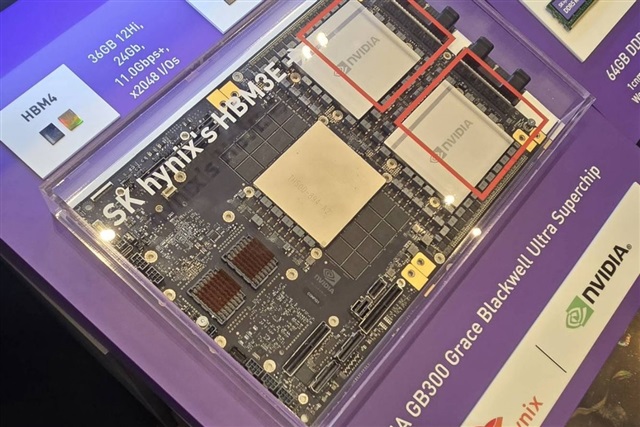
SK Hynix is reportedly adjusting its memory production strategy as rising DRAM prices create a fresh opportunity in the broader chip market. According to reports from South Korea, the company is slowing the pace of converting some production lines to sixth-generation high-bandwidth memory, known as HBM4, while directing more capacity toward conventional DRAM products.
The move has attracted attention because HBM has become one of the hottest segments in the semiconductor industry, driven by the rapid expansion of artificial intelligence servers, advanced GPUs, and data center infrastructure. HBM4 is expected to play a major role in next-generation AI hardware, offering higher bandwidth and improved performance for demanding computing workloads.
However, commodity DRAM is also seeing stronger market conditions. As prices rise, memory manufacturers may find it more profitable to balance their output instead of aggressively shifting too much capacity into one product category. For SK Hynix, this reported adjustment suggests a more flexible approach: continue preparing for the future of AI memory while taking advantage of immediate demand and stronger pricing in mainstream DRAM.
This does not necessarily mean SK Hynix is stepping away from HBM4. The company remains one of the key players in high-bandwidth memory and is widely expected to stay deeply involved in supplying advanced memory for AI accelerators. Instead, the reported slowdown appears to reflect changing market economics, where standard DRAM has become more attractive than it was during weaker pricing cycles.
The memory industry often moves in cycles, with supply, demand, and pricing shifting quickly. When DRAM prices climb, manufacturers may reconsider how much capacity should be committed to specialized products versus broader market needs. Since converting production lines for advanced memory can be costly and complex, companies must carefully decide where each wafer delivers the best return.
For the wider semiconductor market, SK Hynix’s reported production shift could signal that DRAM demand is recovering more strongly than expected. It may also show that memory makers are becoming more cautious about expanding HBM supply too quickly, especially as the industry prepares for future AI chip generations.
Investors and industry watchers will likely continue monitoring whether other memory manufacturers make similar adjustments. If DRAM prices remain strong, more companies could choose to preserve or increase commodity DRAM output while gradually scaling next-generation HBM production.
For now, the report highlights a key reality in today’s chip market: artificial intelligence is driving huge demand for advanced memory, but traditional DRAM remains a crucial and profitable part of the business. SK Hynix appears to be navigating both opportunities carefully as the global memory market enters another important phase.