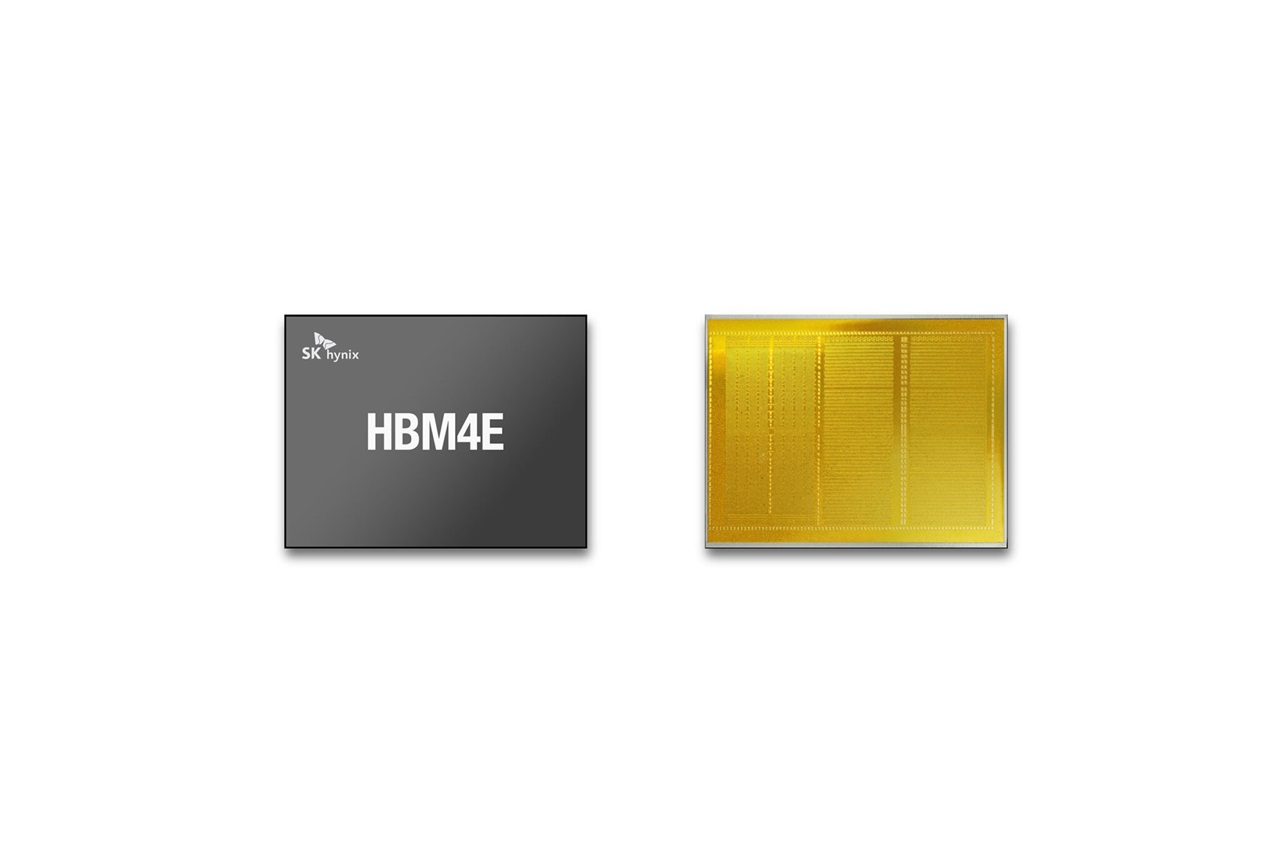
SK Hynix Reportedly Slows Some HBM4 Conversions as DRAM Profits Surge
SK Hynix is reportedly adjusting its memory production strategy as the profitability of standard DRAM products improves sharply. The company is said to be slowing the pace of certain HBM4 production conversions while putting more focus back on commodity DRAM, a segment that has become increasingly attractive due to stronger margins across the broader memory market.
The move highlights a major shift in the semiconductor industry. For months, high-bandwidth memory has been one of the hottest areas in tech, driven by rising demand from artificial intelligence servers, advanced GPUs, and data center hardware. HBM4, the next generation of high-bandwidth memory, is expected to play a key role in powering future AI accelerators and high-performance computing systems.
However, the latest market conditions appear to be changing the equation. Commodity DRAM, which is used in PCs, servers, smartphones, and other electronic devices, has seen a notable recovery in pricing and profitability. As demand strengthens and supply remains disciplined, memory makers now have more incentive to prioritize traditional DRAM products rather than rushing every available production line toward advanced HBM output.
For SK Hynix, this does not necessarily mean a retreat from HBM4. The company remains one of the most important players in the high-bandwidth memory market, and HBM demand is still expected to grow as AI infrastructure spending continues. Instead, the reported adjustment suggests a more balanced approach: protect long-term leadership in HBM while taking advantage of near-term profits in commodity DRAM.
This strategy could help SK Hynix maximize returns during a favorable memory cycle. Converting production capacity to HBM4 can be complex and costly, and if standard DRAM margins are currently strong, slowing some conversions may allow the company to capture more immediate revenue from existing demand.
The broader takeaway is that the memory market is no longer being driven by AI hardware alone. While HBM remains a premium growth category, the recovery in commodity DRAM is becoming too significant for major chipmakers to overlook. If DRAM prices continue to rise, other memory producers may also reconsider how aggressively they shift capacity toward next-generation HBM products.
SK Hynix’s reported production adjustment reflects a market where flexibility is becoming just as important as innovation. With both AI memory and traditional DRAM offering strong opportunities, the company appears to be positioning itself to benefit from multiple sources of demand rather than relying on a single growth path.