Chinese DRAM makers accelerate DDR5 push as AI and enterprise demand surge
Chinese memory manufacturers are moving faster than ever to develop DDR5 products as global demand for high-performance DRAM continues to climb. The rapid growth of artificial intelligence, cloud computing, enterprise servers, and next-generation consumer PCs has created intense pressure across the memory supply chain, and China’s domestic chipmakers are now positioning themselves to capture a larger share of the market.
At the center of this push is ChangXin Memory Technologies, better known as CXMT, China’s leading DRAM producer. The company has been expanding its DDR5 development efforts at a time when the global memory industry is still dealing with tight supply, higher pricing, and rising demand from data centers and AI infrastructure.
For years, the DRAM market has been dominated by Samsung, SK Hynix, and Micron. However, ongoing supply constraints have opened the door for Chinese manufacturers to accelerate their own roadmaps. Even with heavy investments in new production facilities from the major global players, the market has not yet fully stabilized. This has created an opportunity for companies like CXMT and other domestic suppliers to push forward with locally produced DDR5 memory.
Chinese memory module makers are now preparing more consumer and enterprise products based on domestic DDR5 chips. These products are expected to serve a wide range of markets, from gaming PCs and workstations to AI servers and enterprise storage systems.
One notable development comes from Jiahe Jinwei, a Chinese memory manufacturer that has introduced DDR5 RDIMM modules using domestic DRAM technology. These server-grade modules offer capacities of 64 GB and speeds of 5600 MT/s, making them suitable for enterprise workloads and AI-focused systems that require large memory pools and reliable performance.
The arrival of these modules shows that Chinese suppliers are no longer focusing only on basic memory products. Instead, they are moving into higher-performance categories that are essential for servers, data centers, and advanced computing platforms. As AI companies continue to expand their infrastructure, demand for DDR5 RDIMM and high-capacity DRAM solutions is expected to keep rising.
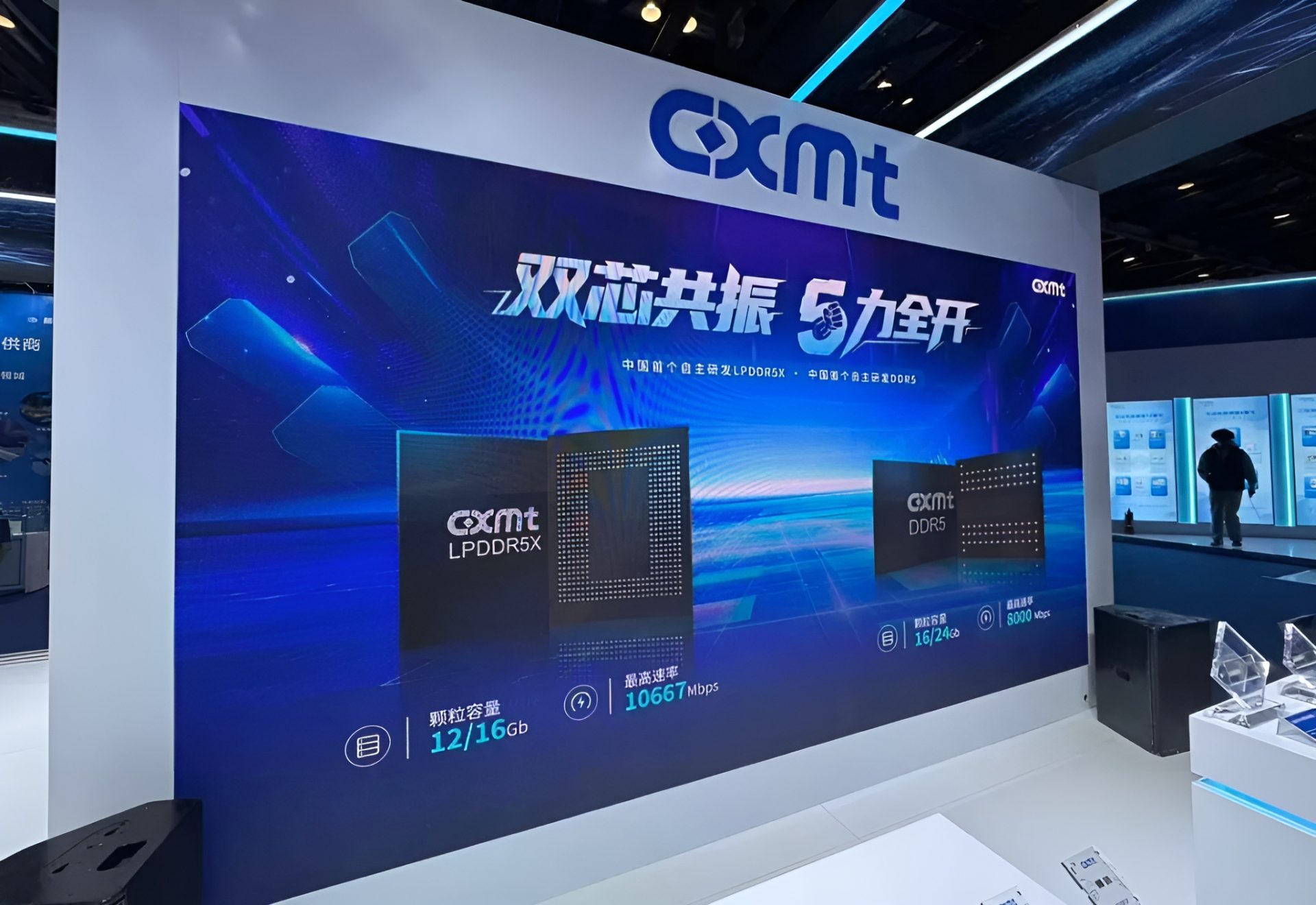
CXMT has also been making progress in the consumer DDR5 segment. The company has reportedly developed DDR5 DRAM modules reaching speeds of up to 8000 MT/s, with 16Gb and 24Gb chip capacities. This marks a major step forward for China’s domestic memory industry, especially as DDR5 becomes the standard for modern desktop PCs, laptops, and high-performance computing systems.
While 32Gb DDR5 chips are beginning to appear in consumer products, they remain expensive. That makes domestically produced 16Gb and 24Gb DDR5 chips especially important for companies looking to offer more affordable memory kits while still delivering strong performance.
China’s strategy is becoming increasingly clear: reduce reliance on overseas memory suppliers and build a more self-sufficient semiconductor supply chain. By producing DRAM locally, Chinese companies can limit exposure to external risks such as tariffs, shipping costs, export controls, and international supply disruptions.
The global memory shortage has made this strategy even more urgent. As AI servers consume massive amounts of DRAM and high-bandwidth memory, traditional supply channels have become strained. This has pushed governments, manufacturers, and system builders to look for additional sources of memory chips.
If Chinese DDR5 production continues to scale, it could bring more competition to the global memory market. More competition may eventually help lower prices for DDR5 memory modules, especially in consumer and enterprise segments where costs have risen due to limited supply.
Another factor helping Chinese DRAM suppliers is the shift in focus among established memory giants. As major manufacturers prioritize newer and more profitable memory technologies, some older standards are receiving less attention. This has created room for Chinese companies to increase production of LPDDR4 memory, which is still widely used in entry-level smartphones, budget laptops, tablets, and low-cost PCs.
By filling demand for these older but still essential memory standards, Chinese suppliers have reportedly generated strong revenue in recent months. This gives them additional capital to reinvest in more advanced technologies such as DDR5 and future DRAM generations.
CXMT and YMTC are also pursuing major expansion plans aimed at upgrading existing manufacturing facilities and preparing for future fabs. These investments are expected to involve billions of dollars as China works to strengthen its position in the global semiconductor industry.
CXMT is currently estimated to hold around 10% of the global DRAM market, but that figure could grow if the company continues to improve yields, expand production, and deliver competitive DDR5 products. With aggressive development cycles and increasing domestic demand, CXMT is becoming one of the most closely watched players in the memory industry.
The broader impact could be significant. If Chinese DDR5 modules become widely available in global markets, buyers may gain access to more affordable alternatives to established brands. This could be especially important for PC builders, server manufacturers, AI startups, and enterprise customers looking to control costs during a period of rising memory prices.
However, scaling DRAM production is not easy. DDR5 manufacturing requires advanced process technology, strict quality control, and strong supply chain coordination. To compete internationally, Chinese memory makers will need to prove that their products can meet the reliability, performance, and compatibility expectations of enterprise and consumer buyers.
Still, the momentum is clear. China’s memory industry is no longer moving cautiously. It is accelerating into DDR5 production, expanding LPDDR output, and investing heavily in future capacity. With demand from AI, data centers, enterprise servers, gaming PCs, and consumer electronics showing no signs of slowing, domestic DRAM suppliers may become a much bigger force in the years ahead.
The memory market is entering a new phase, and China wants a larger role in it. If companies like CXMT continue their current pace, the global DDR5 landscape could become more competitive, more diverse, and potentially more affordable for buyers worldwide.