Samsung Reportedly Restarts 1.4nm Foundry Push as 2029 Timeline Comes Into Focus
Samsung Electronics is reportedly moving ahead with its advanced 1.4nm semiconductor foundry process once again, though the project is now expected to progress on a slower timeline than the company originally planned.
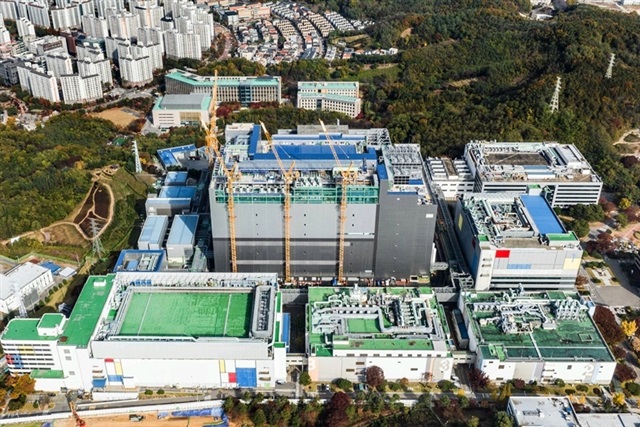
According to industry sources, the South Korean technology giant is continuing development work tied to its next-generation chip manufacturing roadmap at its NRD-K semiconductor research and development complex in Giheung, South Korea. The renewed push suggests Samsung has not abandoned its long-term ambition to compete at the very front of the global foundry market, even as technical hurdles and market conditions reshape the schedule.
The 1.4nm process is expected to be one of Samsung’s most advanced manufacturing nodes, designed for future high-performance chips used in artificial intelligence, mobile processors, data centers, and other demanding computing applications. As chipmakers race to make semiconductors smaller, faster, and more power-efficient, each new process generation becomes increasingly difficult and expensive to develop.
Samsung had previously outlined aggressive plans for its ultra-advanced foundry technology, but the latest reports indicate that mass production using the 1.4nm process may now be aimed closer to 2029. That would place the technology further out than earlier expectations, reflecting the complexity of moving beyond current leading-edge nodes.
The delay does not necessarily mean Samsung is stepping back from advanced chipmaking. Instead, it appears to show a more cautious and realistic approach as the company works to improve manufacturing stability, yields, and customer confidence. In the semiconductor foundry business, being first is important, but producing chips reliably at scale is often even more critical.
Samsung’s renewed focus on 1.4nm also highlights the importance of its Giheung research facility. The NRD-K complex is expected to play a key role in developing future semiconductor technologies, giving Samsung a dedicated base for long-term process innovation.
The foundry market remains highly competitive, especially as demand for AI chips continues to surge. Major customers increasingly need advanced manufacturing capacity for processors that can deliver more performance while using less energy. If Samsung can successfully bring its 1.4nm process to production, it could strengthen its position as a major alternative supplier for next-generation chips.
However, the road to 1.4nm will be challenging. As chip designs shrink, manufacturers must deal with more complex materials, tighter tolerances, higher development costs, and the need for extremely precise production equipment. These challenges are a major reason why timelines for leading-edge semiconductor nodes can shift.
For now, Samsung’s reported 1.4nm revival shows that the company is still committed to pushing the limits of chip manufacturing. While the schedule may be slower than first expected, the long-term goal remains clear: to secure a stronger position in the future of advanced semiconductor foundry production.