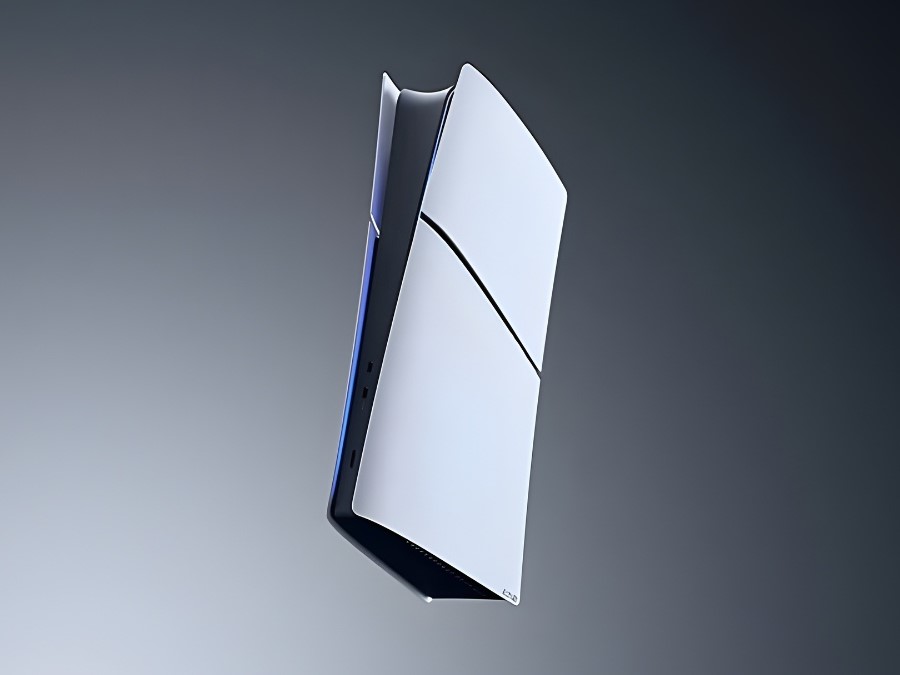
Sony’s Next PlayStation Could Be Its Most Expensive Console Yet
Sony’s recent PlayStation price increases may be a warning sign for the future of console gaming. The company has already raised prices on several PlayStation products as rising memory costs continue to put pressure on the tech industry. The standard PS5 is now priced at $649.99, while the PS5 Pro has climbed to $899.99. The PlayStation Portal has also become more expensive.
Now, attention is turning to the PlayStation 6, and the outlook may not be comforting for players hoping for a lower launch price.
During a recent investor Q&A focused on Sony’s gaming business, executives were asked how the company plans to handle hardware pricing and profitability going forward. Investors specifically wanted to know whether Sony would continue protecting profit margins when launching future PlayStation hardware.
Sony’s answer suggested that the company is not eager to sell consoles at a major loss.
According to Sony, rising component costs have become too difficult to fully absorb. The company has already adjusted prices in multiple regions outside Japan, and despite those increases, demand for PlayStation hardware has remained strong. Sony also emphasized that it will continue reviewing market conditions and pricing products in a way that reflects their value to consumers.
That statement could have major implications for the PS6.
Sony has not officially revealed the PlayStation 6, but rumors and industry speculation suggest the next-generation console could arrive sometime in 2027 or early 2028. While no official price has been confirmed, earlier reports have pointed to the possibility of a PS6 price near or above $1,000.
That once sounded extreme, but Sony’s current pricing strategy makes it seem increasingly realistic.
A major factor behind the concern is the ongoing memory crisis. Memory and storage are essential parts of modern gaming consoles, especially as games become larger and more demanding. If memory prices continue to rise, the cost of building next-generation hardware will likely increase as well.
Analysts expect memory prices to climb again during the second half of 2026, with additional increases possibly continuing into 2027. If that timeline holds, Sony could be facing elevated production costs right around the period when the PlayStation 6 is expected to enter the market.
This could also affect current consoles. The PS5 and Xbox Series X may see additional price adjustments if component costs keep climbing. For consumers, that means the era of cheaper consoles may be fading, at least for the near future.
The big takeaway is simple: Sony appears less willing than before to take a heavy loss on hardware. In past console generations, manufacturers often sold systems at slim margins or even losses, hoping to make money later through software, subscriptions, and accessories. But with costs rising and demand remaining steady, Sony may see less reason to keep prices aggressively low.
If memory prices stay high and Sony sticks to its current strategy, a $1,000-plus PlayStation 6 could become more than just speculation. It may be the new reality for next-generation gaming hardware.
For now, nothing is official. Sony has not announced the PS6, confirmed its release window, or revealed its price. But based on current market conditions and the company’s own comments, gamers may want to prepare for a much more expensive next generation.