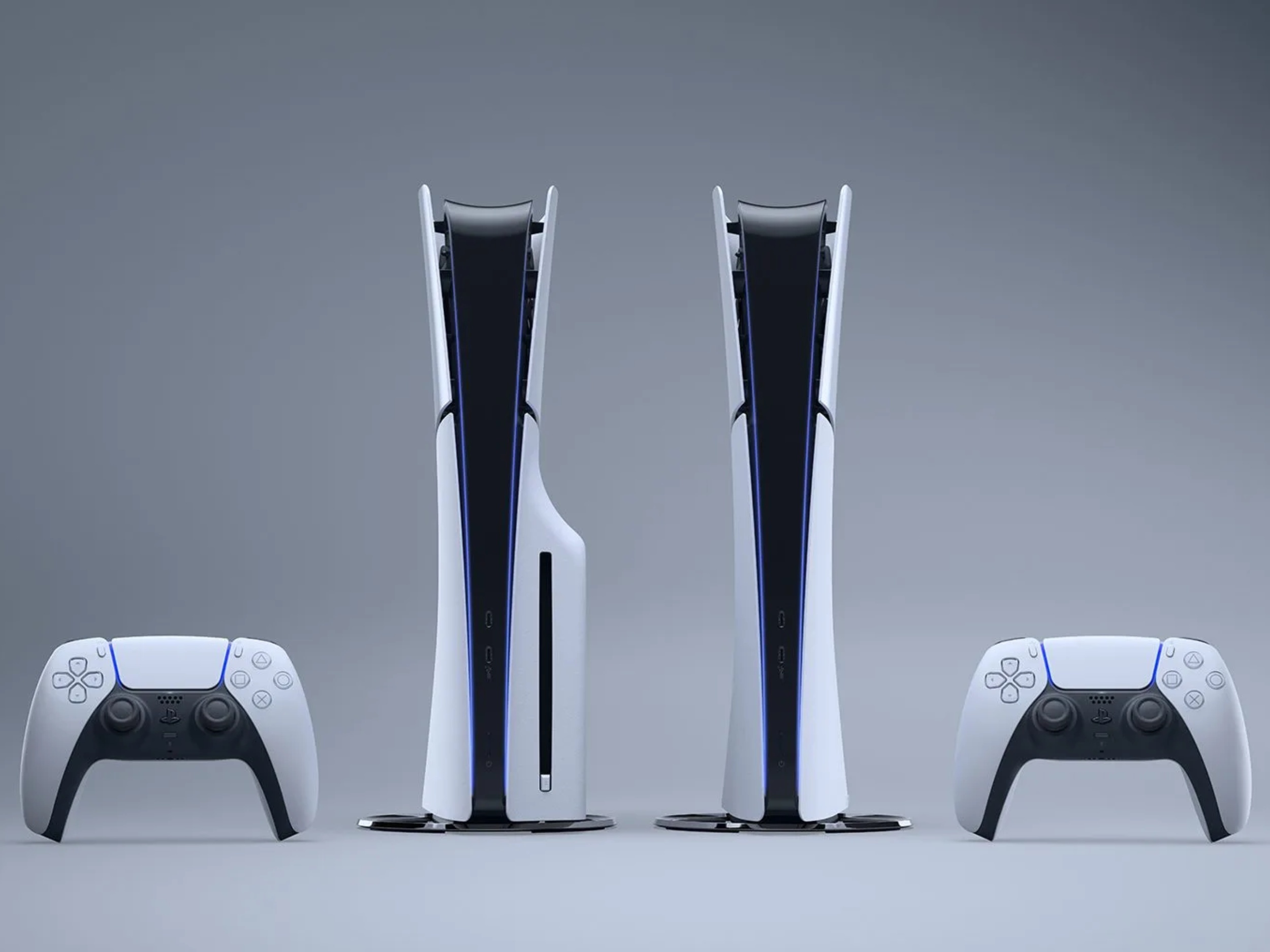
Sony fans went into the company’s latest financial update hoping for a clear sign that the PlayStation 6 is officially on the way. What they got instead was a careful, non-committal hint: Sony confirmed it plans to invest in a “next generation platform” during the coming fiscal year, but stopped short of saying “PS6,” and offered no details on launch timing or pricing.
That silence is fueling one big theory about why the PlayStation 6 still feels like it’s in limbo: the cost of key components, especially RAM and SSD storage, remains uncomfortably high. And when memory and fast storage are expensive, building a mass-market console at a price people will actually pay becomes a much tougher problem to solve. For Sony, that makes long-term planning harder and may be pushing the company toward a more cautious release strategy.
A PlayStation 6 launch could slip to 2028 or even 2029
With component prices staying elevated, many observers now believe the PS6 release date could land later than some fans originally expected—potentially 2028 or even 2029. If that ends up being the case, Sony may have a strong incentive to extend the PlayStation 5 era rather than rush out a next-gen console that would need to be priced much higher to protect margins.
From a business standpoint, stretching the PS5 lifecycle could be appealing. Even though Sony reportedly moved about 1.5 million PlayStation consoles in the last quarter, a major blockbuster release could quickly change the pace of hardware demand. The upcoming launch of Grand Theft Auto 6 is widely expected to be the kind of event that can drive a new wave of console sales and system upgrades, giving the PS5 ecosystem a timely boost.
Sony has also raised prices in some areas, which may help keep the PS5 platform profitable even while storage costs remain a challenge. If the PS5 keeps selling and software revenue stays strong, Sony may feel less pressure to reveal or rush the PlayStation 6.
But waiting comes with competitive risk from Xbox
Delaying the PS6 isn’t without downside. Microsoft is reportedly developing its next Xbox generation under the codename “Project Helix.” If Microsoft manages to launch new hardware earlier, it could create a short-term advantage—similar to how the Xbox 360 gained momentum by arriving ahead of the PlayStation 3.
That said, Microsoft hasn’t provided an official release date for its next-generation Xbox either. For now, both console makers appear to be balancing the same realities: hardware costs, market timing, and the need to release a system that feels like a true leap without pricing itself out of reach.
Could Sony expand beyond the traditional console with new models?
Sony’s mention of “new business models” has sparked plenty of debate, largely because it’s unclear what the company actually means. Some players worry this could point toward stronger pushes into subscription services, or even console financing plans that make hardware feel more like a monthly commitment.
At the same time, rumors continue to swirl about a new PlayStation handheld—something closer to a true portable console rather than a streaming-focused device that depends on owning a PS5. If Sony does introduce a standalone handheld, it could serve as a lower-cost companion to a home console, or as a way to widen the next PlayStation generation without making the PS6 the only entry point.
In other words, if next-gen console pricing climbs too high, a dedicated handheld could help Sony keep more players in the ecosystem while offering another way to buy into PlayStation.
Many players say a later PS6 launch is fine—price is the bigger concern
Interestingly, much of the community reaction to a possible late PS6 release has been calm. Many players argue the PlayStation 5 still feels new, and that this console generation hasn’t fully hit its stride due to pandemic-era disruption, supply shortages, and years of cross-generation releases that slowed the sense of a clean “next-gen” transition.
But the conversation keeps circling back to one issue: cost. With today’s hardware pricing, many fans expect a next-generation PlayStation could land at $700, $800, or even $1,000. At those levels, the PS6 could become a tough sell for mainstream buyers—especially for families and casual players who already see console gaming as an expensive hobby.
For now, Sony’s strategy seems to be about keeping options open. If component prices settle and the market is ready, the PlayStation 6 could move forward sooner. If not, the PS5 still has room to run—especially with major releases on the horizon and potential new hardware ideas, like a true PlayStation handheld, still on the table.