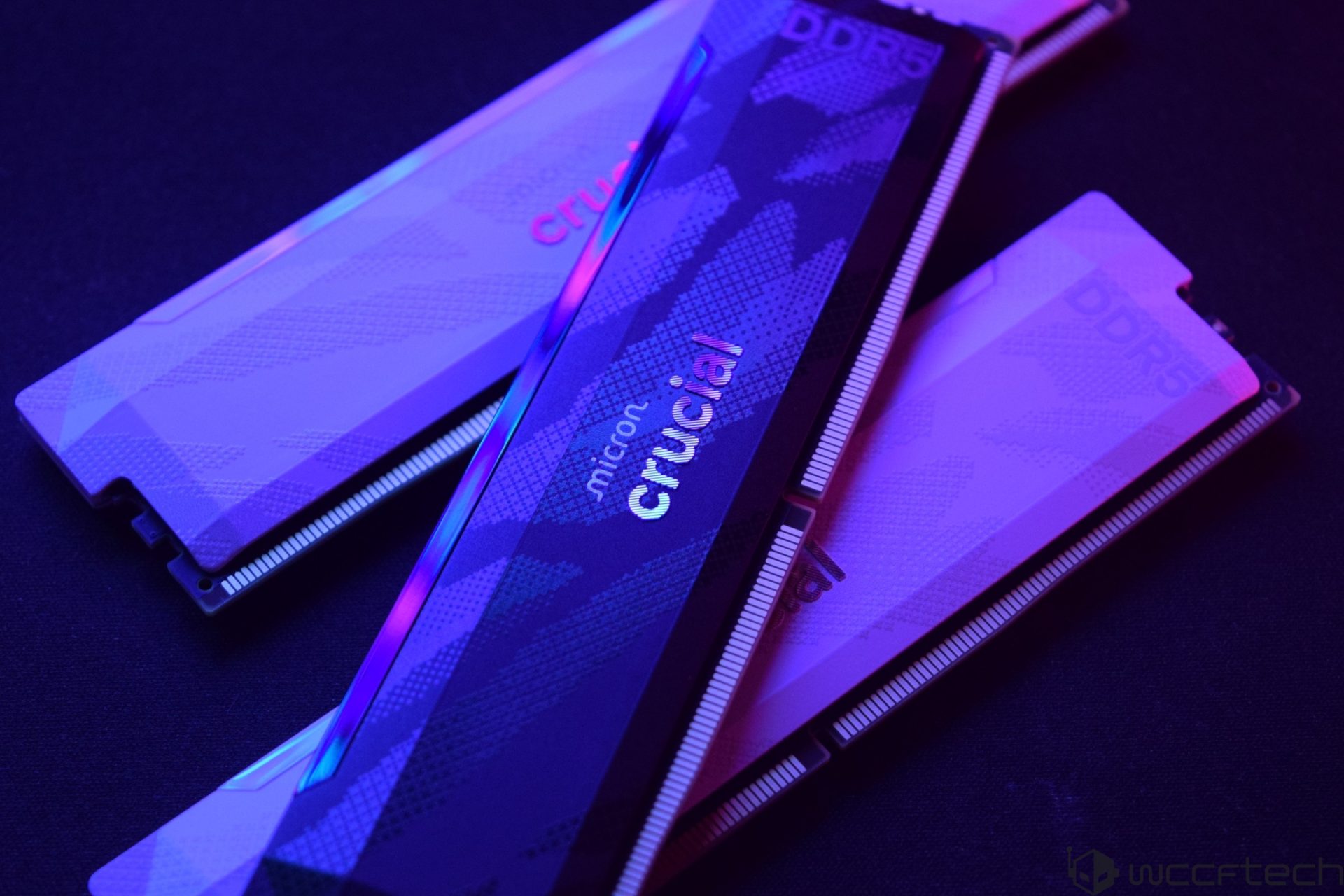
The memory market just delivered a surprise twist. After months of rising DRAM costs and growing concern about PC component shortages, RAM pricing in mainland China has suddenly fallen hard, with reports indicating drops of more than 30%. DDR5 memory prices are being hit the most, and the ripple effects are already being felt beyond China as broader global pricing sentiment shifts.
What’s making this move so attention-grabbing is how quickly the market mood flipped. In recent months, the storyline has been simple: tightening supply, climbing demand, and steadily increasing RAM prices. Now, in a matter of days, pricing momentum has swung in the other direction—enough for retailers to describe the change as a rapid “collapse,” including weekend moves where prices reportedly fell by over 100 yuan in a single day.
Despite what some shoppers might assume, this doesn’t necessarily mean shortages are officially ending. Supply chain chatter and current market dynamics suggest the drop is more likely tied to a wave of panic and repositioning throughout the industry rather than a clean return to abundant supply. Major memory makers have reportedly seen enormous losses in market capitalization over the past week, which can quickly influence behavior throughout the retail chain. When speculators and inventory hoarders sense weakening demand, they often rush to offload stock, and that kind of inventory selloff can push DDR5 RAM prices down fast.
A big driver behind the fear appears to be the market reaction to Google’s TurboQuant. Some retailers are acting as if new efficiency improvements will sharply reduce memory needs for AI infrastructure, and they’re adjusting pricing as if a demand cliff is coming. But that assumption is being questioned. Even if certain models become more efficient, industry observers note that overall AI growth—especially inference at scale—can still increase total memory consumption over time. The Jevons Paradox argument also looms large: efficiency gains can make deployments cheaper and more widespread, which can ultimately raise total usage rather than reduce it.
For consumers, especially gamers and PC builders who have been waiting out high DDR5 prices, this sudden drop could be a welcome window. If the current downward trend spreads further, buyers in other regions may see more attractive RAM deals soon, including at major US retailers.
Still, anyone expecting a straight-line decline may want to stay cautious. If the broader memory market re-stabilizes or if demand resumes its prior pace, these price cuts could prove temporary. In other words, DDR5 RAM pricing is finally cooling in key areas—but whether it stays cool depends on what happens next in AI demand, retailer inventory moves, and overall DRAM supply conditions.