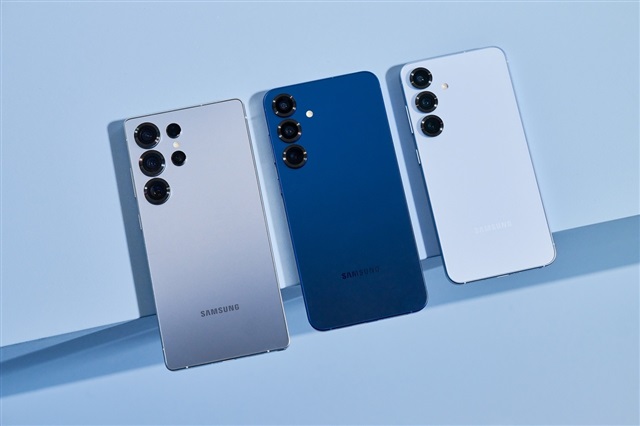
Samsung is reportedly gearing up for last-minute, high-stakes talks with Micron Technology at CES 2026 in Las Vegas, as surging mobile DRAM prices and tightening chip supply raise concerns about production plans for the upcoming Galaxy S26. The discussions are said to be focused on securing stable volumes and taming cost pressures that could ripple through Samsung’s flagship launch timeline.
Rising memory prices are a familiar cycle in the semiconductor world, but the current squeeze is hitting mobile DRAM particularly hard. When supply tightens and lead times stretch, smartphone makers face difficult choices: adjust production targets, re-sequence regional rollouts, or revise memory configurations to keep devices on schedule. For a high-volume launch like the Galaxy S26, even minor component constraints can quickly become a bottleneck.
Micron sits at the center of the global DRAM landscape, supplying advanced mobile memory used across premium smartphones. Meeting during CES makes practical sense. The event brings together senior decision-makers from across the industry, creating a rare window for urgent negotiations, long-term agreements, and allocation decisions that can stabilize supply through a critical launch window.
What Samsung may seek in Las Vegas
– Priority allocation of mobile DRAM to lock in volumes through the Galaxy S26 production ramp
– More predictable pricing or risk-sharing mechanisms to offset market volatility
– Earlier delivery schedules or shorter lead times to maintain launch readiness
– Options across performance tiers, such as next-gen mobile DRAM, to support multiple Galaxy S26 configurations
Why mobile DRAM is under pressure
– Demand shifts across the memory market can pull capacity toward higher-margin segments, tightening supply for smartphones
– Inventory discipline by chipmakers has reduced the risk of oversupply, but can amplify price swings when demand firms
– Broad competition for leading-edge DRAM intensifies during major flagship cycles and ahead of new technology transitions
What this could mean for the Galaxy S26
– Launch timing: No official changes are indicated, but supply agreements in January are often critical to meeting spring and summer timelines.
– Regional rollout: If supply remains tight, companies sometimes prioritize key markets first while scaling up allocations over subsequent weeks.
– Memory options: Brands can respond to constraints by adjusting base RAM/storage configurations, though this is typically a last resort for premium devices.
– Pricing strategy: Elevated component costs can influence final retail pricing, promotional cadence, or bundled offers.
The stakes go beyond a single product. Smartphone manufacturers across the industry rely on consistent mobile DRAM availability to keep assembly lines moving and feature sets competitive. When prices spike or supply narrows, procurement teams diversify sources, deepen partnerships, and revisit contract terms to secure the parts that matter most. Negotiations like the ones reportedly planned during CES 2026 are often where those decisions take shape.
For consumers, the headline is simple: if Samsung locks in the memory it needs at sustainable terms, the Galaxy S26 launch should stay on track with the performance and multitasking capabilities buyers expect. If supply remains constrained, the most likely impacts would be limited early availability in certain regions or minor shifts in configurations, rather than drastic product changes. As always, nothing is final until Samsung makes official announcements.
What to watch during CES 2026
– Any comments from Samsung or Micron about supply chain stability, memory technology roadmaps, or partnerships
– Signals around mobile DRAM availability from broader industry briefings and analyst notes
– Hints about the Galaxy S26 production schedule circulating among suppliers and accessory partners
The broader takeaway is clear: in a year when memory markets are running hot, securing mobile DRAM is just as strategic as designing the camera system or tuning the chipset. Reports of urgent talks at CES underscore how central the supply chain has become to every flagship phone launch. If Samsung and Micron come out of Las Vegas with a tighter alignment on volume and pricing, it could go a long way toward ensuring the Galaxy S26 arrives when expected—and in the quantities the market anticipates.