CXMT Becomes the World’s Fastest-Growing DRAM Maker as China’s Memory Chip Ambitions Accelerate
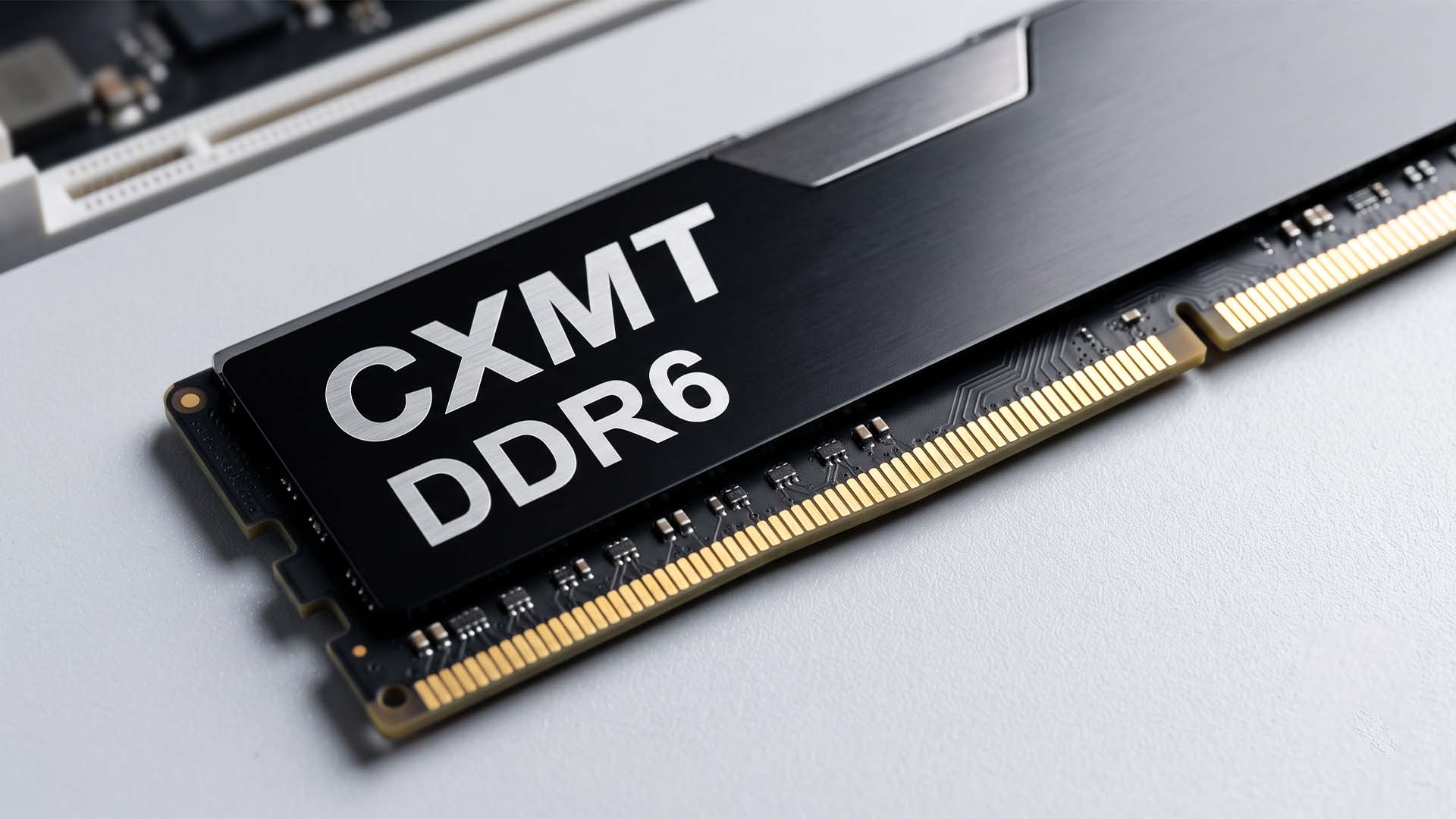
Chinese memory chip manufacturer CXMT emerged as the fastest-growing DRAM company in the world during the second quarter of 2026, according to recent data from Counterpoint Research. The surge highlights China’s growing push to strengthen its domestic semiconductor industry and reduce reliance on foreign chip suppliers.
CXMT, short for ChangXin Memory Technologies, has become one of China’s most important memory chip companies. While SMIC remains a major player in logic chip manufacturing, CXMT is gaining attention in the memory market, particularly as reports suggest it is making progress toward more advanced DRAM technologies, including LPDDR6 memory.
The company’s rapid rise comes at a time when global demand for memory chips is being driven by artificial intelligence, smartphones, data centers, and consumer electronics. DRAM has become especially important in the AI era because it is a core building block for high-bandwidth memory, or HBM, which is used in powerful AI accelerators and GPUs.
According to Counterpoint Research, Samsung regained the top position in the global DRAM market during the second quarter of 2026. The South Korean technology giant captured 39% of global DRAM revenue, making it the largest DRAM manufacturer in the world for the quarter.
SK hynix, meanwhile, saw its market share fall to 26%, down by 13 percentage points compared with the same period a year earlier. This decline came even though the company’s DRAM revenue reportedly grew by 214% year over year, showing just how competitive and fast-moving the memory chip market has become.
Micron also delivered a strong performance and nearly caught up with SK hynix. The U.S.-based memory chipmaker held 25% of the global DRAM market by revenue during the quarter, placing it very close to becoming the world’s second-largest DRAM supplier.
However, the standout performer was CXMT. Counterpoint Research reported that CXMT’s DRAM revenue soared by 716% year over year in the second quarter, making it the fastest-growing DRAM manufacturer globally. Taiwan-based Nanya Technology followed closely, with revenue growth of 690% during the same period.
CXMT’s growth was largely fueled by strong domestic demand in China and ongoing capacity expansion. As China continues to prioritize semiconductor self-sufficiency, local chipmakers are receiving increased attention from device makers, government-backed initiatives, and domestic supply chain partners.
The company is also moving aggressively to expand production. Following its IPO earlier this year, CXMT is reportedly working to increase manufacturing capacity, including early-stage plans for a new production facility in Beijing. This expansion could help the company serve more customers and compete more directly with established global DRAM leaders.
Market conditions may also be working in CXMT’s favor. Tight memory supply has pushed major electronics companies to search for additional sources of DRAM. Reports indicate that Apple has shown interest in sourcing memory chips from CXMT as the broader memory market faces supply pressure and rising costs.
Counterpoint Research Vice President Neil Shah suggested that CXMT’s capacity expansion could eventually change the structure of the global memory industry. He noted that the key question may no longer be whether CXMT can join the top tier of memory manufacturers, but when it will be able to challenge the current leaders.
For now, Samsung, SK hynix, and Micron remain the dominant forces in the DRAM market. But CXMT’s explosive growth signals that China’s memory chip industry is becoming increasingly competitive. If the company continues to expand capacity, improve technology, and win major customers, it could become a much more influential player in the global semiconductor supply chain.
The DRAM market is expected to remain highly important as demand rises for AI servers, next-generation smartphones, PCs, automotive electronics, and data center infrastructure. With memory chips playing a central role in the future of computing, CXMT’s rapid rise could have long-term implications not only for China’s semiconductor strategy but also for the balance of power in the global memory chip industry.