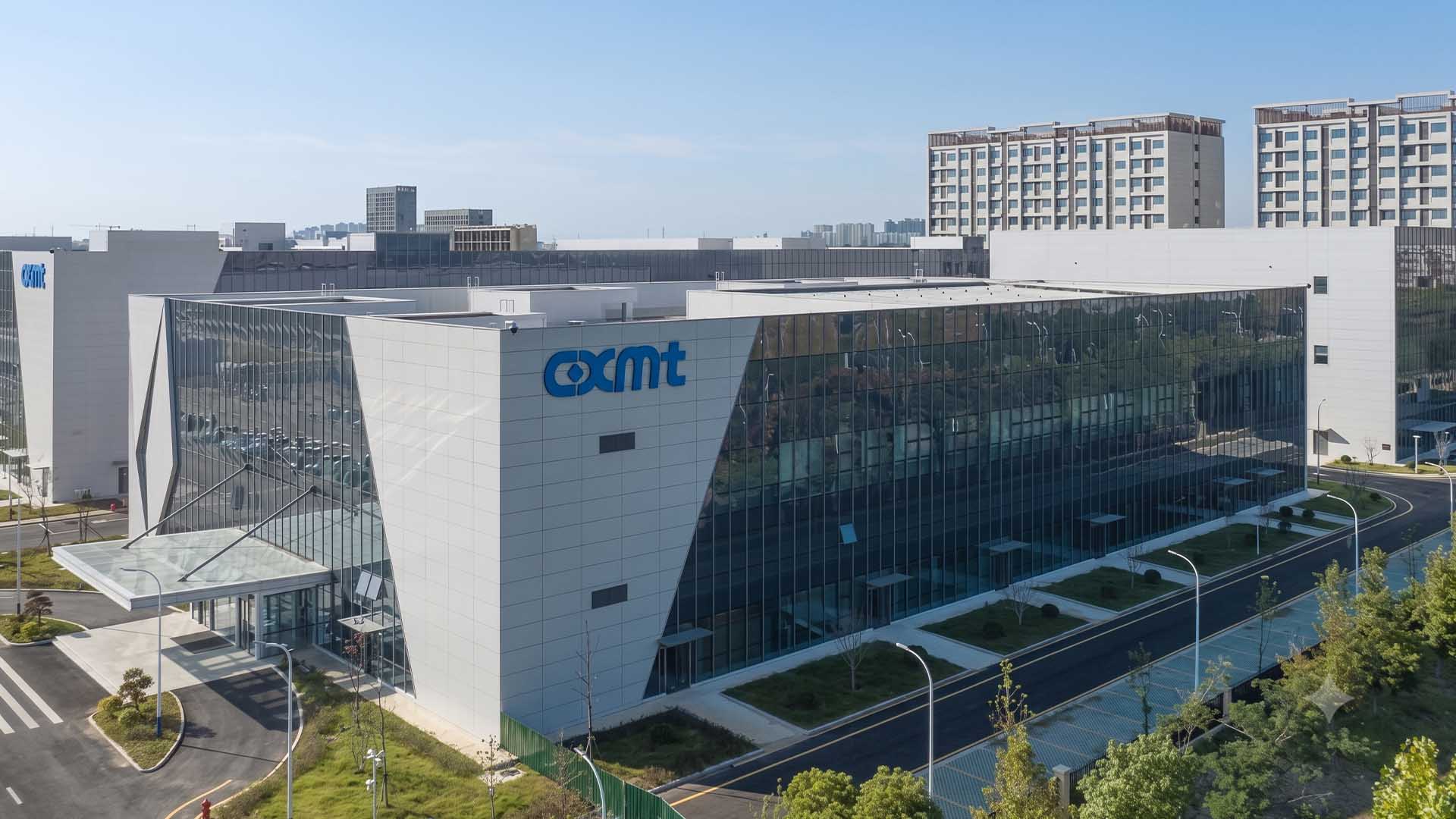
CXMT and Huawei Tensions Highlight China’s Growing DRAM Supply Struggle
China’s memory chip industry is entering a new phase, and the balance of power appears to be shifting fast. For years, DRAM manufacturers operated in a difficult low-margin market where major customers could push aggressively for lower prices. Companies such as smartphone makers, PC brands, and electronics giants often had the upper hand because memory supply was widely available and competition was intense.
That dynamic has changed dramatically as artificial intelligence infrastructure continues to absorb huge amounts of DRAM. AI data centers require massive memory capacity, and rising demand has tightened global supply. As a result, memory manufacturers that once depended heavily on subsidies and customer volume are now gaining pricing power.
One of the clearest examples of this shift is the reported tension between CXMT, one of China’s most important DRAM makers, and Huawei, one of the country’s most influential technology companies.
According to industry reports, CXMT has been raising DRAM prices for Chinese customers, including Huawei. The situation has reportedly created friction between the two companies, despite the fact that both operate in an environment shaped by U.S. export restrictions and pressure to strengthen China’s domestic semiconductor supply chain.
The dispute reportedly escalated in June, when engineers from a chipmaking equipment vendor closely connected to Huawei were working inside CXMT’s main research and development facility. The engineers were said to be operating in cleanroom areas related to advanced chip development when they were suddenly told to pack up their tools and leave the factory floor.
The order reportedly came without warning, and the engineers have not been allowed back into that R&D zone since. Although CXMT and Huawei are still doing business, the incident suggests that their relationship has become more complicated as memory supply becomes more valuable.
SiCarrier, a Huawei-linked equipment partner, reportedly believes the confrontation was tied to a broader power struggle. The company has been involved in important semiconductor equipment efforts, including projects connected to advanced lithography development. From its perspective, CXMT’s stronger pricing position may be putting pressure on Huawei and other Chinese technology firms at a time when they need stable access to domestic memory components.
The situation is especially notable because Chinese semiconductor companies are often expected to cooperate closely in response to global trade restrictions. With access to some foreign chip technologies limited, companies like Huawei, CXMT, YMTC, and other domestic players have strong incentives to build a more self-reliant technology ecosystem.
However, the DRAM shortage has complicated that picture. Instead of simply aligning around national semiconductor goals, suppliers and customers are now competing over pricing, priority, and access to limited production capacity.
CXMT and YMTC have seen their position improve as the memory market tightens. Not long ago, China’s memory manufacturers faced serious financial pressure and relied heavily on state support to survive in a market dominated by established global leaders. Now, with AI-driven demand pushing DRAM supply to its limits, these companies appear to have more leverage than ever.
Some industry sources claim Chinese memory suppliers are now charging higher prices than major South Korean rivals in certain cases. That would represent a major reversal for companies that previously had to compete mainly on cost and government backing.
The AI boom is a key reason behind this shift. Modern AI servers require large amounts of high-performance memory, and data center operators are buying aggressively. As memory inventory tightens, suppliers can choose customers more selectively. Those willing to pay higher prices or commit to larger long-term orders may receive priority, while others may face delays or steeper costs.
CXMT is reportedly becoming more selective with its customers, favoring those prepared to pay premium prices for DRAM shipments. This marks a major change in the company’s role within the supply chain. Instead of simply chasing volume, it is now operating more like a supplier with strategic leverage.
Apple’s reported interest in working with CXMT may also be contributing to the company’s growing confidence. For Apple, adding another DRAM supplier could help reduce supply chain risk and increase sourcing flexibility. For CXMT, winning interest from a major global electronics brand would strengthen its credibility and improve its position in the competitive memory market.
At the same time, CXMT appears to be looking ahead to future memory technologies. The company is reportedly aiming to challenge Samsung and SK hynix in next-generation DRAM development, including the DDR6 market before it reaches commercial availability. If CXMT can gain ground in future DRAM standards, it could become a much more important player in the global memory industry.
For Huawei, however, rising DRAM prices create a difficult problem. The company already faces restrictions on access to certain advanced chips and manufacturing tools. Higher domestic memory prices could increase costs for smartphones, servers, AI hardware, and other products. Even though Huawei has made major progress in rebuilding parts of its supply chain, it still depends on reliable memory suppliers to support its broader hardware ambitions.
The reported CXMT-Huawei dispute shows that China’s semiconductor industry is not simply a story of cooperation against outside pressure. It is also a story of competition, pricing power, and strategic control over critical components.
As AI data centers continue to consume more DRAM, memory makers are likely to remain in a strong position. Customers that once dictated terms may now have to compete for supply. For Chinese technology companies, that could mean higher costs and tougher negotiations, even when dealing with domestic suppliers.
The bigger question is whether companies like CXMT can use this moment to build lasting strength or whether aggressive pricing could damage relationships with key partners such as Huawei. In a market shaped by AI demand, export controls, and the race for advanced memory technology, the answer could have major consequences for China’s semiconductor future.