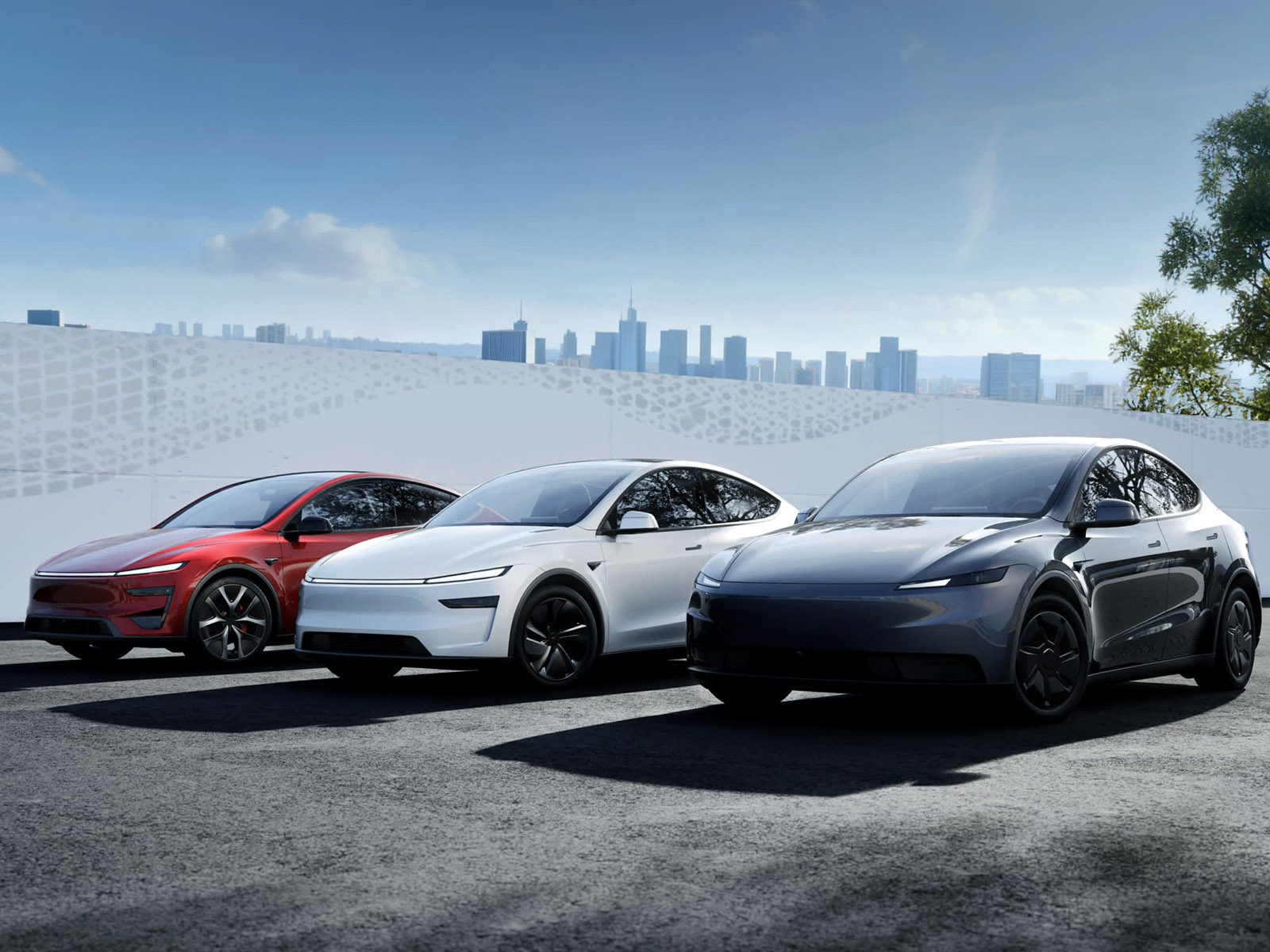
Electric car prices could be heading upward again, and it’s not just because of batteries. A growing crunch in memory and processing chips—driven in part by booming demand from AI data centers—combined with higher prices for lithium carbonate and key industrial metals, is pushing EV manufacturing costs sharply higher.
NIO’s chairman recently pointed to a stark figure: building an electric vehicle now costs about $1,400 more than before. A major reason is the sudden spike in chip pricing, with memory and other crucial components reportedly doubling or even tripling over the past couple of months. At the same time, ongoing geopolitical disruption is keeping energy markets unstable and making essential materials like copper and aluminum more expensive, adding pressure across the entire EV supply chain.
For automakers, this creates an uncomfortable situation. Even as some suppliers may benefit from higher chip prices, car companies face rising costs from multiple directions at once—batteries, electronics, and the metals that form both the vehicle body and its electrical systems. If those costs keep climbing, brands like Tesla and other EV makers may have little choice but to raise new vehicle prices or absorb the extra expense, which can squeeze margins.
But there’s a twist in the market: used EV prices are moving in the opposite direction.
In the United States, a wave of lease returns is expected to boost the supply of second-hand electric cars significantly. Roughly 300,000 EVs are projected to come off three-year leases and land on dealer lots, increasing availability and pushing used prices down. This is happening at the same time the average price of a new vehicle in the US has moved past $55,000 for the first time—making affordability a bigger concern for many buyers.
Depreciation is also reshaping purchase decisions. By mid-2025, a Tesla Model Y’s three-year depreciation rate was reported at around 47%, highlighting how quickly some electric vehicles can lose value compared to certain gas-powered alternatives. Models like the Toyota RAV4, for example, have historically held their resale value much better over similar time periods. That contrast can make a lightly used EV in the $20,000 to $30,000 range look especially appealing—particularly when fuel prices rise and drivers want to cut operating costs without paying new-car pricing.
Another factor strengthening the used EV case is improving confidence in battery longevity. Battery technology is increasingly viewed as more durable and predictable than it was a few years ago, and added warranty options are making pre-owned EV ownership feel less risky. With stronger reliability and more second-hand inventory, the used EV market is becoming a serious alternative to buying new.
All of this sets up a potential squeeze on new EV sales: if manufacturers raise prices due to surging chip and materials costs while the used market gets cheaper and more plentiful, more shoppers may choose a pre-owned electric car instead. Automakers could soon be forced to decide whether to protect profitability with higher sticker prices—or keep pricing steady and absorb the rising cost of building each vehicle.