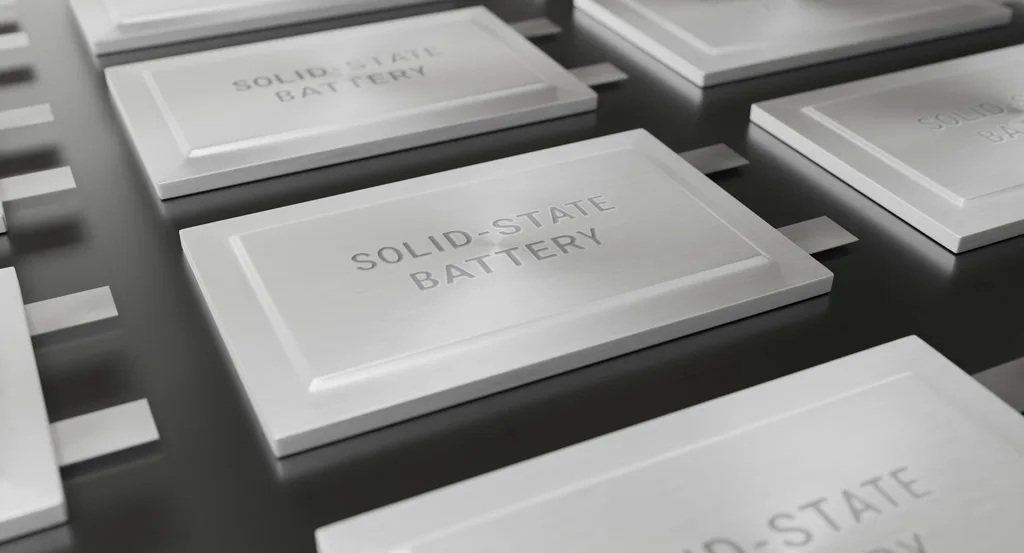
As the race to develop advanced energy solutions intensifies, the spotlight shines brightly on solid-state batteries, touted as the future cornerstone for electric vehicles (EVs). Amidst this competitive landscape, BYD, a frontrunner in EV technology and a formidable contender to Tesla, has set its sights on integrating solid-state batteries into demonstration projects by 2027. Their vision is ambitious, but the realization of widespread use might extend beyond 2030.
Solid-state batteries are highly anticipated for their potential to significantly enhance the driving range of electric vehicles, presenting a major breakthrough compared to the current lithium-ion technology. Sun Huajun, BYD’s Chief Technology Officer for the battery sector, recently shared insights at a prominent forum, indicating that these innovative batteries might become a common feature in vehicles only after the turn of the decade. This outlook reflects a common sentiment across the industry, with major players like CATL, the global leader in battery production, aligning on similar timelines. Although CATL plans to introduce its own solid-state batteries in limited production by 2027, their chief scientist, Wu Kai, highlighted the challenges of achieving cost-effective, high-volume production.
BYD’s strategy hinges on careful selection of materials driven by cost efficiency and process stability, pivotal elements in the transition to solid-state technology. The company’s journey into this field began in 2016, marking significant progress with forthcoming trial productions of single cells ranging from 20 Ah to 60 Ah in 2024.
While the widespread adoption of solid-state batteries may linger on the horizon, Sun remains optimistic about a future where affordability aligns with that of current liquid ternary batteries. As the technology matures and access expands, this cost parity is expected to become a reality, potentially revolutionizing the EV market and sustainability practices for future generations.