iPhone Air and iPhone 17 Pro Durability: Tough in Bends, Fragile in Face-Down Drops, Independent Tests Show
Independent breakability tests suggest Apple’s latest iPhone Air and iPhone 17 Pro can flex without failing, but gravity still wins when they hit the ground face-first. Following a widely viewed bend test from a popular durability YouTuber, Allstate Protection Plans put both devices through a series of controlled lab trials using robotic equipment, including its DropBot and BendBot, to mirror everyday accidents.
Key findings at a glance:
– Both phones survived controlled bend tests and continued to function normally.
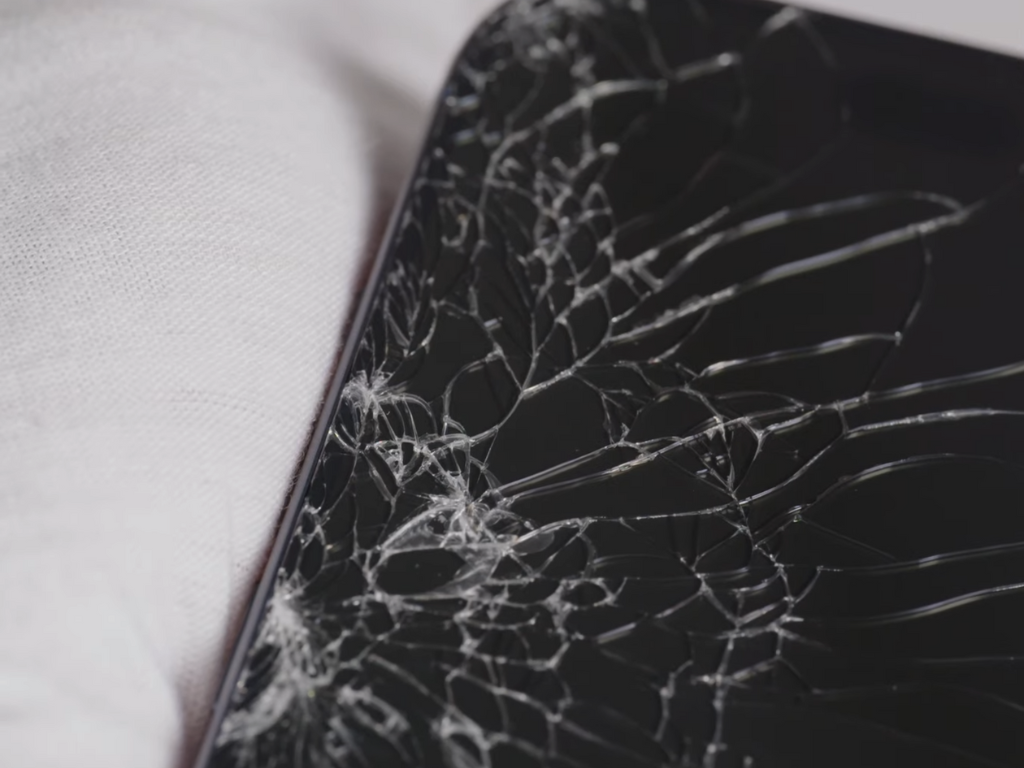
– A face-down drop from six feet shattered the new Ceramic Shield 2 front glass on both models.
– Back-down drops left the iPhone 17 Pro with mostly cosmetic damage, while the iPhone Air developed cracks across its rear panel but kept working.
– In bend testing, the iPhone 17 Pro flexed at 200 pounds of pressure and the iPhone Air at 190 pounds; both remained operational afterward.
– While those figures trail the iPhone 17 Pro Max’s 240-pound resistance, they still exceed typical industry durability benchmarks, according to Allstate.
What broke, what didn’t
Allstate’s face-down drop tests were the harshest outcome for both devices. Despite the upgraded Ceramic Shield 2 front glass, a six-foot frontal impact caused immediate shattering, though the phones kept running after the fall. When dropped back-down, the iPhone 17 Pro walked away with scuffs and scrapes, whereas the iPhone Air showed cracking across the rear panel. Allstate attributed this behavior to Apple’s move to Ceramic Shield rear panels on these models, replacing the previous generation’s glass backs.
Bend tests: stronger than they look
The bend portion of the tests highlights how structure and materials matter. The iPhone 17 Pro bent at 200 pounds of pressure; the iPhone Air at 190 pounds. Crucially, both devices retained full functionality after flexing. That’s notable for the iPhone Air, which is nearly 35 percent thinner than the iPhone 17 Pro yet nearly matched its strength. Allstate points to the rectangular camera housing and titanium frame as likely contributors to the Air’s rigidity.
Why this matters if you’re upgrading
These results paint a realistic picture of day-to-day durability. Titanium frames and improved glass help resist bends and wear, but a face-first fall from pocket height or higher can still be catastrophic for displays. Rear panels fare differently between the two models, with the iPhone 17 Pro proving more resilient to back-down impacts than the Air in Allstate’s trials.
The cost of skipping protection
Allstate’s team recommends protective gear for a reason: out-of-warranty repair bills can be steep. Estimated repair costs without AppleCare can reach up to $749 for the iPhone 17 Pro and $699 for the iPhone Air, depending on the damage.
Practical protection tips
– Use a case with raised edges to keep the display off the ground during face-down impacts.
– Apply a quality tempered glass screen protector to add a sacrificial layer over the Ceramic Shield 2 front.
– Consider a case that improves grip to reduce the chance of slips.
– If you’re accident-prone, weigh AppleCare coverage versus potential repair costs.
Bottom line
Apple’s iPhone Air and iPhone 17 Pro show impressive structural integrity in controlled bend scenarios, especially given the Air’s slim profile and titanium build. But even with upgraded glass, a six-foot face-down drop can still shatter the screen. If you’re buying either model, plan on a good case and screen protector—and think about coverage—so a momentary slip doesn’t turn into a costly repair.