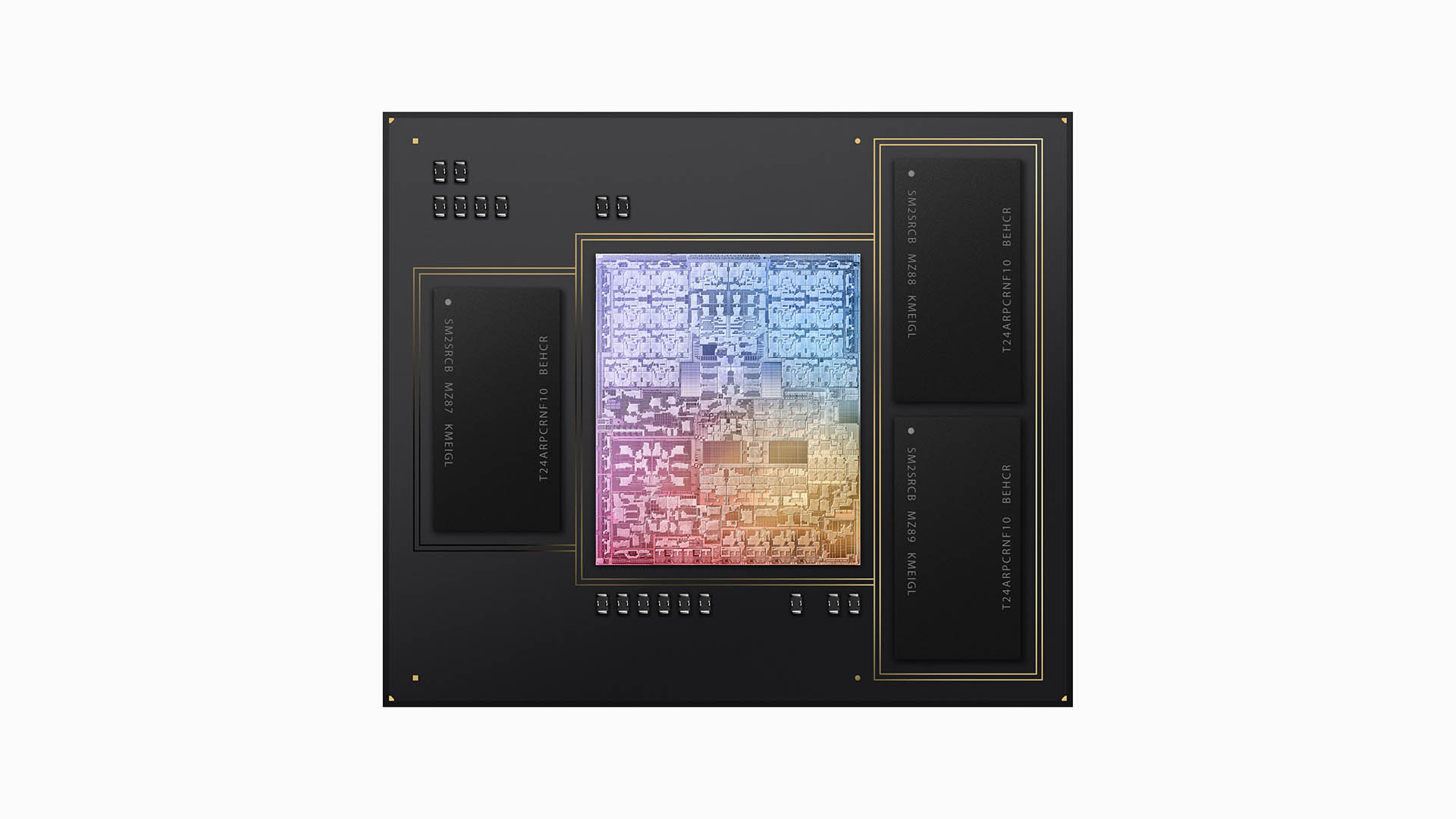
The landscape of notebook technology is undergoing a revolutionary shift, spurred by the introduction of ARM-based chipsets. Ever since Apple unveiled its groundbreaking M1 in 2020, ARM notebooks have been gaining momentum, rivaling the performance of high-end desktop processors while offering unmatched efficiency. Competitors Intel and AMD have tried to introduce their own x86 versions with similar attributes, yet ARM-based notebooks continue to dominate and carve out an increasingly solid foothold in the market. According to industry forecasts, by 2029, 40% of all laptops could be powered by ARM chipsets, posing a significant challenge to the x86 processors.
The ARM notebook surge is poised to accelerate even further with new players entering the fray. MediaTek and Huawei have announced plans to roll out their own chipsets next year, adding to the competitive landscape. Qualcomm has already jumped into the ARM race with the launch of its Snapdragon X Elite and Snapdragon X Plus. It is anticipated that Windows laptops featuring these SoCs will see a boost in market share, as Qualcomm CEO Cristiano Amon suggests that by 2025, these notebooks could be priced as low as $700, making them accessible to a broader audience on a budget.
This trend indicates that ARM notebooks are on the rise, and industry analyses show that by 2029, nearly four out of every ten notebooks shipped will be ARM-based. New entrants like MediaTek and NVIDIA are reportedly gearing up to introduce an ‘AI PC’ in 2025, leveraging TSMC’s cutting-edge 3nm architecture for mass production, which promises further innovation in this space.
Huawei, facing trade restrictions, has delayed its custom chipset launch to 2025. Yet, despite these challenges, Huawei remains keen on capturing a share of this booming market. The notebook landscape was once dominated solely by Apple’s M1 marvel; however, with an influx of new contenders, the scene is set to become far more exciting. These products attract consumers with their exceptional ‘performance per watt’ and impressive power efficiency, featuring battery life that outlasts traditional devices.
For Windows-based machines, the journey toward optimizing ARM platforms involves overcoming hurdles like enhancing native application compatibility and boosting graphic capabilities to offer seamless gaming experiences without compromising on visual quality. As innovation continues, it’s likely that chip manufacturers will resolve these challenges, positioning ARM notebooks as formidable rivals to the traditional x86 platform.
In the coming years, the competition in the notebook space is expected to heat up, offering consumers newer and better options that promise power, efficiency, and value for money.