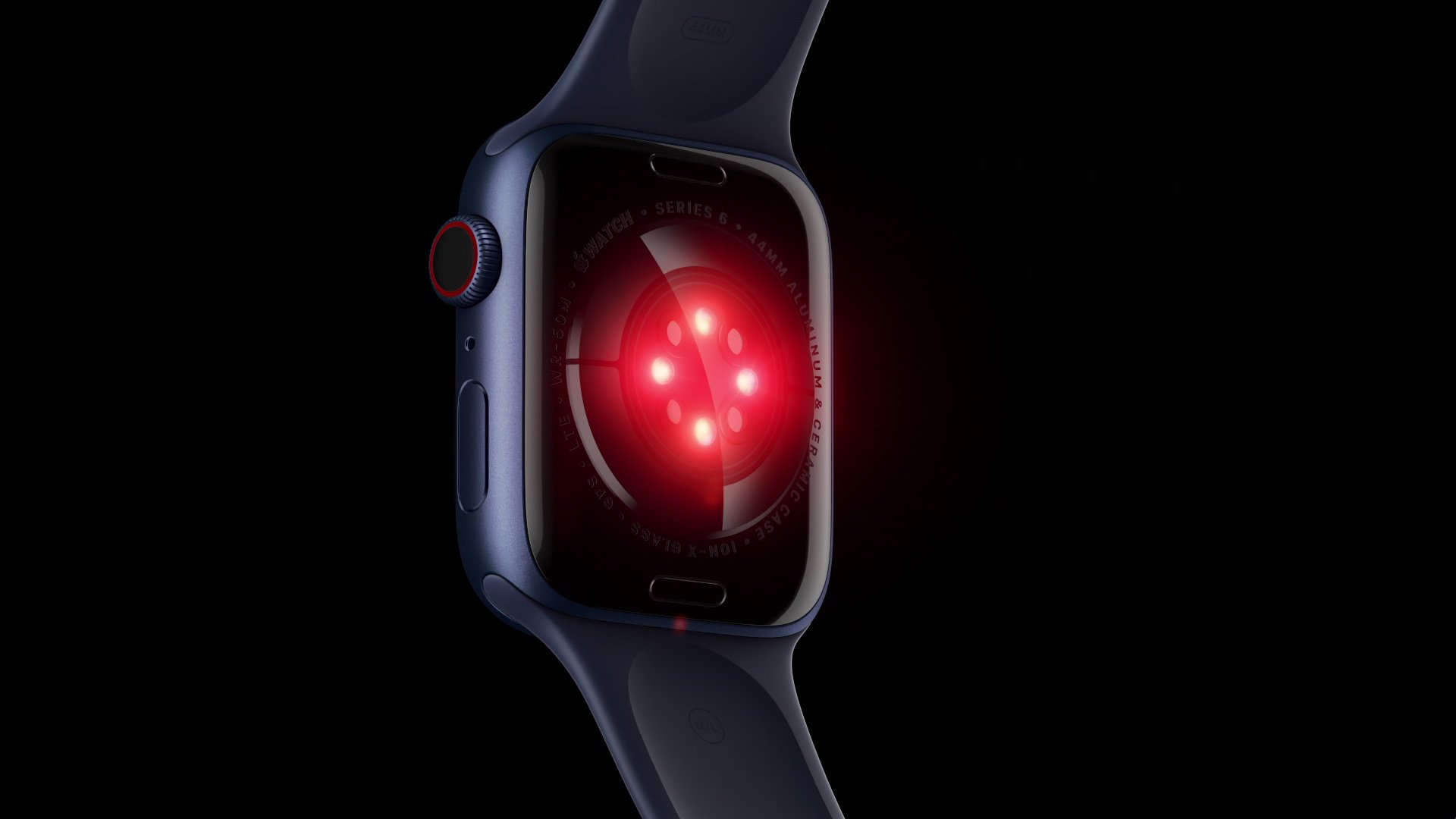
The vision of creating a non-invasive glucose monitoring sensor was initiated during Steve Jobs’ leadership at Apple with the hope of enabling Apple Watch users to keep track of their sugar levels effortlessly. The convenience of such a feature could greatly benefit individuals who are pre-diabetic, offering them a chance to manage and balance their health proactively.
However, despite earlier reports of significant advancements in this technology, it seems that the anticipated feature is still several years from becoming an actual part of the Apple Watch. The delay in introducing this health-focused sensor might result in reduced appeal for Apple’s smartwatches, potentially leading to a decline in shipments. The reason for this could be that, without noticeable internal upgrades, customers may lack motivation to purchase new models.
The traditional way of conducting a blood sugar test involves invasive methods, but Apple aspires to change this with a non-invasive feature. This advancement would allow users to monitor their glucose levels in real-time and adjust their lifestyle accordingly without the discomfort of skin penetration. Over the years, Apple has explored using optical absorption spectroscopy and laser technologies to achieve this aim, but the challenge remains unresolved.
According to insights from Bloomberg’s Mark Gurman’s ‘Power On’ newsletter, it appears the development of this feature, unfortunately, remains a distant goal. Even though the process reached a ‘proof of concept’ with a working prototype this year, this version proved too bulky to be integrated into the current Apple Watch design. Despite the dedication of hundreds of engineers in Apple’s Exploratory Design Group, the hurdle of miniaturizing this technology enough to fit into the smartwatch remains formidable.
Gurman previously suggested that such non-invasive blood glucose monitoring might take approximately seven years to materialize. Given the latest updates, it seems this timeline may extend even further. As Apple continues to tackle these challenges, it’s worth noting that other tech giants, such as Samsung, are reportedly working on similar projects. Yet, like Apple, there have been few updates on their progress, indicating that the complexity of this breakthrough is a common barrier in the industry.